Malta: Scarcity, Street Life and Where Value Hides
Malta’s reputation for high prices hides a subtler truth: scarcity and lifestyle drive value. Match daily rhythms to property type and use local data to buy the life, not just the space.
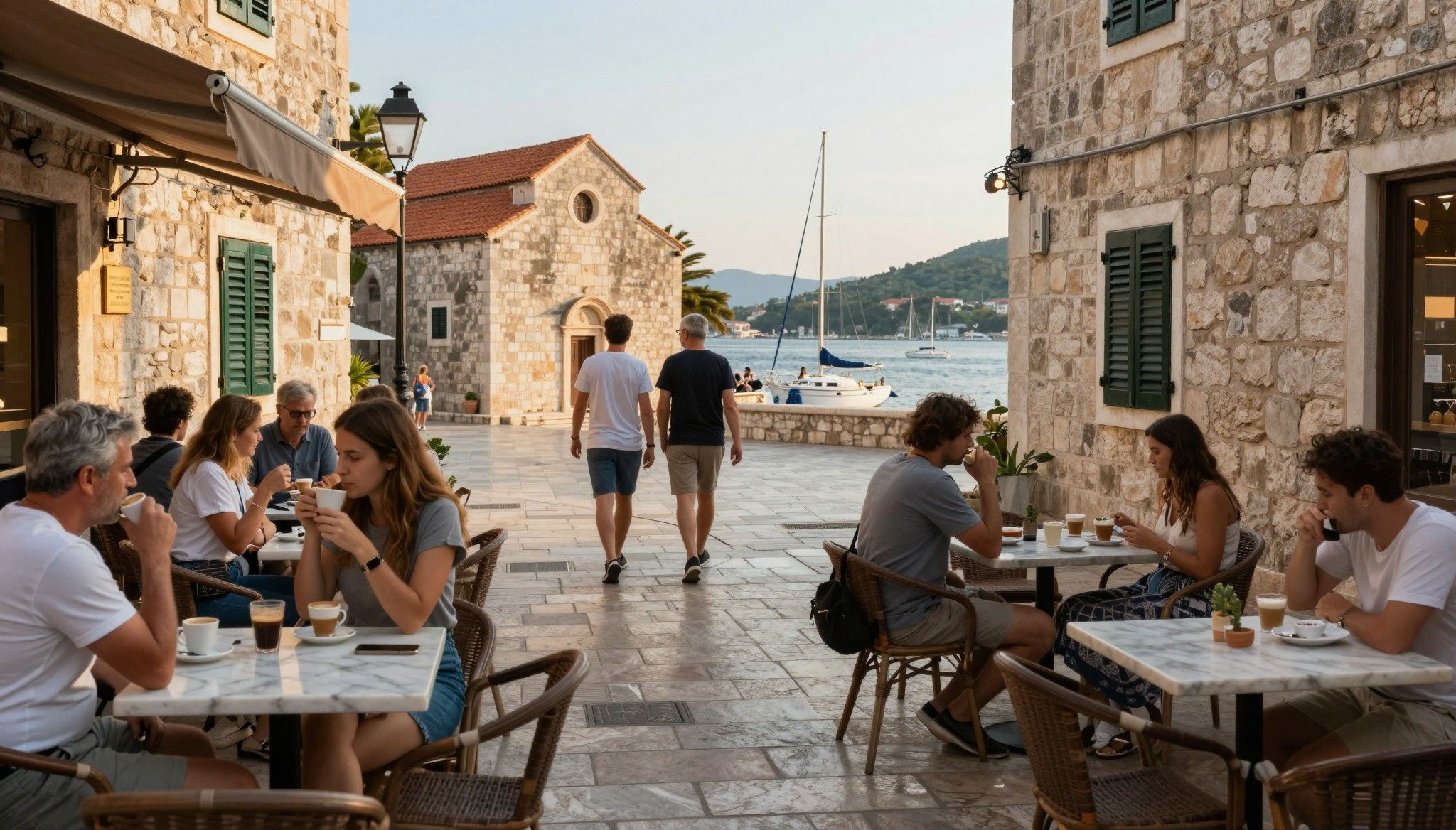
Imagine arriving at a small café on Strait Street at 9 a.m., the scent of freshly baked pastizzi rising from a shopfront as limestone façades warm in the sun. In Malta, daily life feels compact and intensely textured: narrow alleys that open to port views, neighbourhoods where a barista knows your order, and terraces that make the short distance between kitchen and sea an everyday pleasure. That intimacy is both the island’s charm and its real estate logic — a limited coastline, historic cores and a tiny land mass mean every street has distinct value. For international buyers, loving Malta requires understanding that lifestyle and market move in close tandem; the romance of place and the reality of constrained supply shape price and possibility alike.
Living Malta: compact elegance and everyday ritual
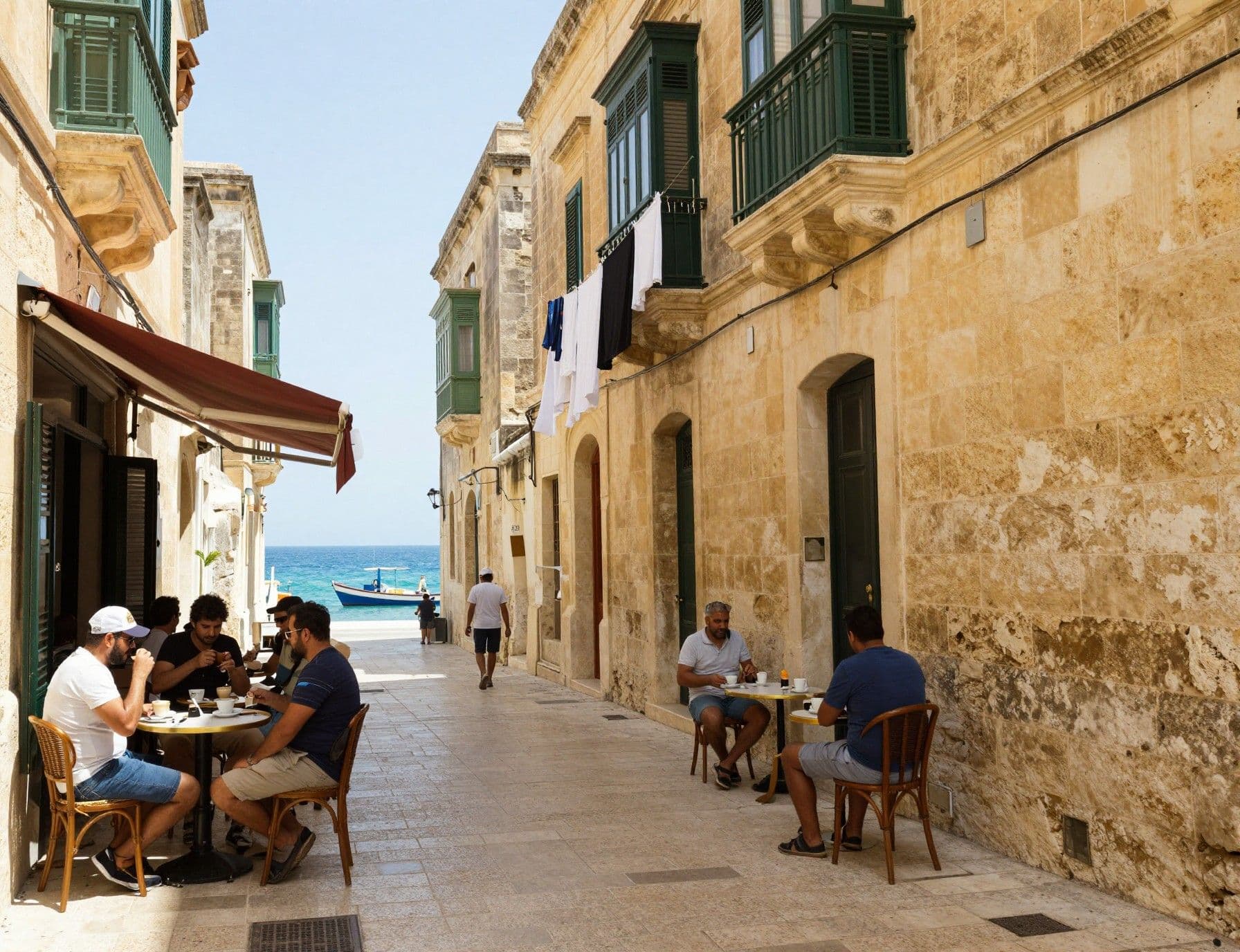
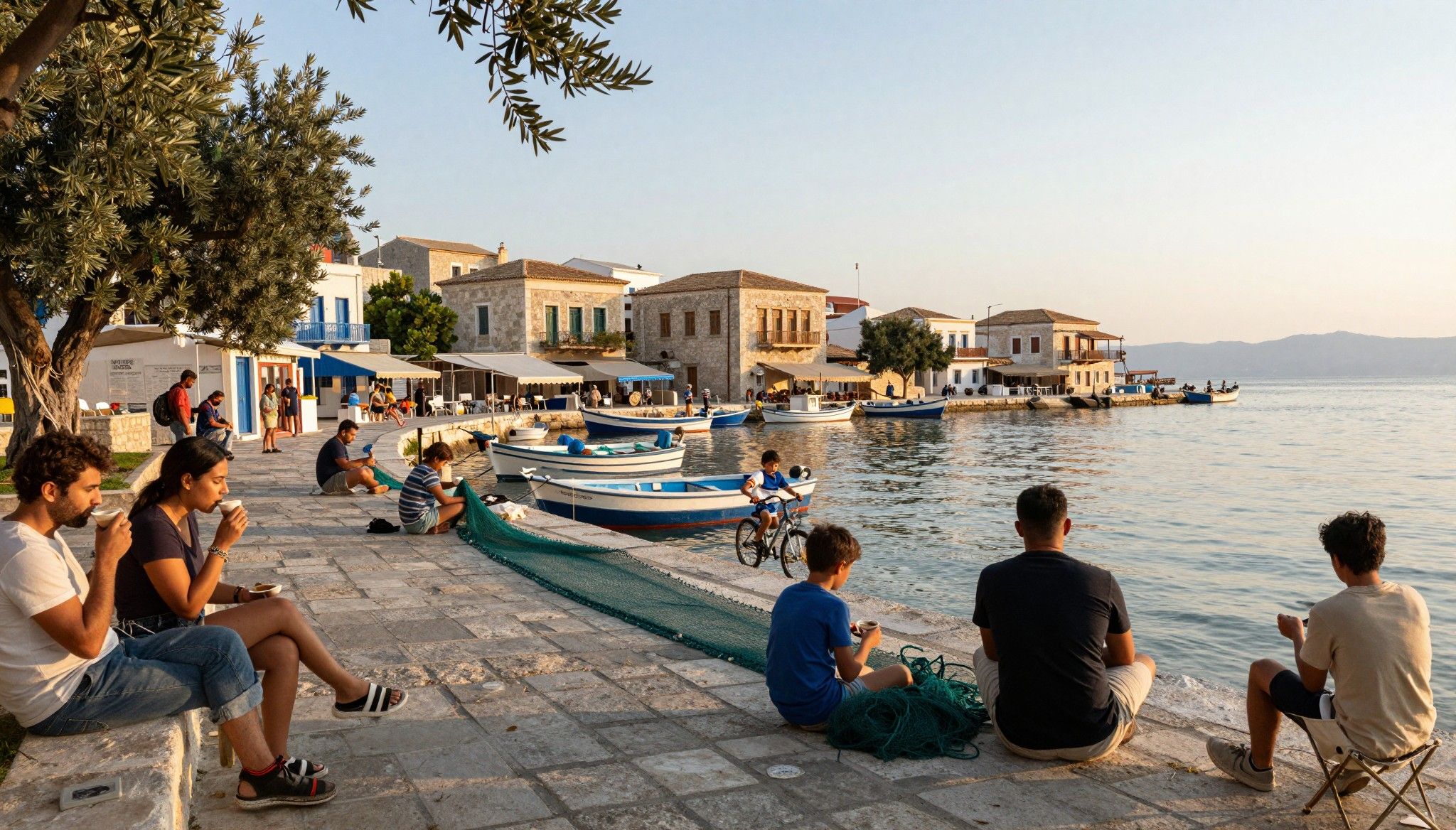
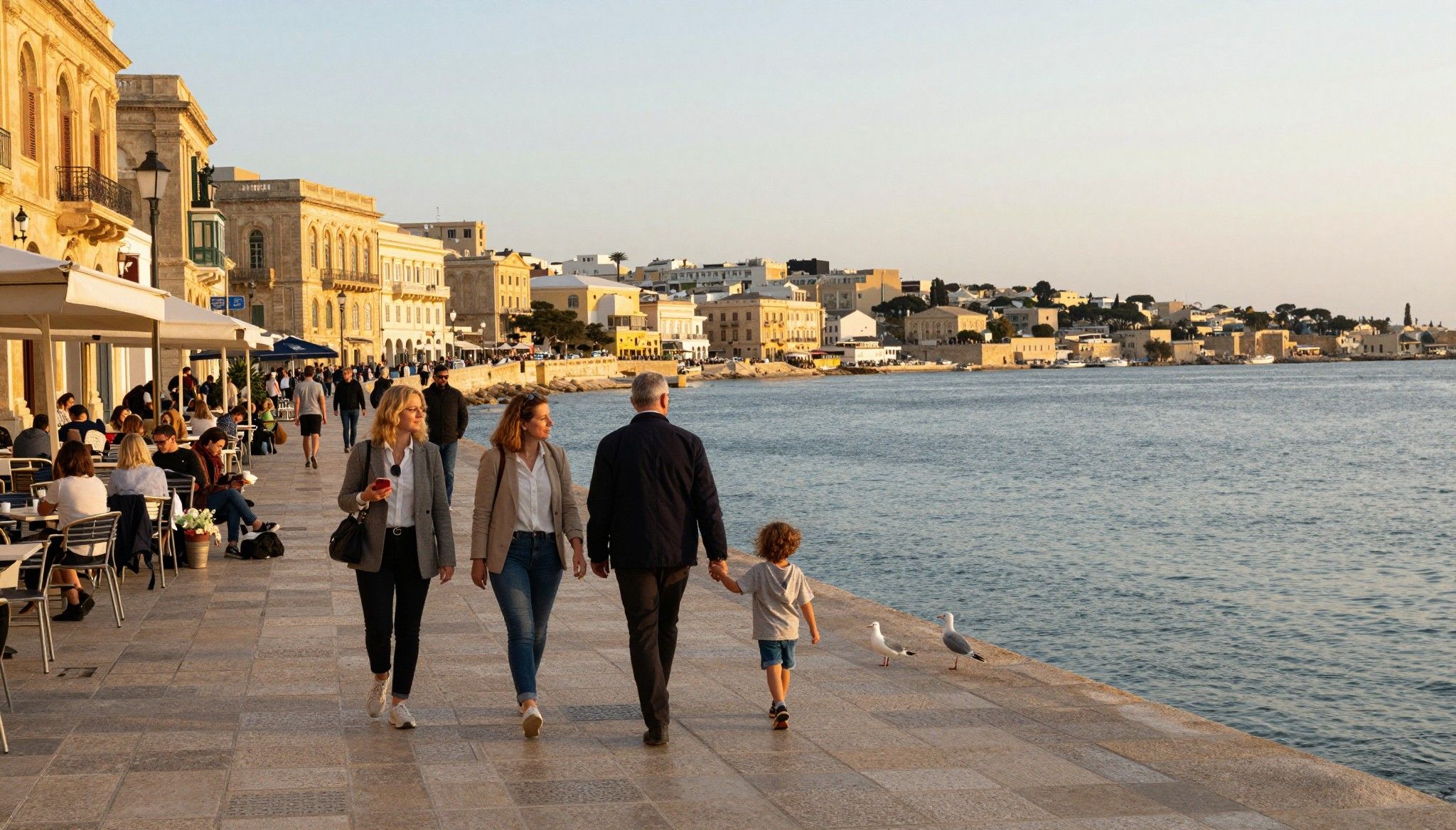
To live in Malta is to learn scale anew. Valletta’s baroque geometry and Sliema’s seaside promenades coexist with quiet villages on Gozo, while maisonettes and terraced houses line lanes where neighbours still exchange greetings. The island’s scarcity is measurable — recent National Statistics Office reporting shows persistent price appreciation, driven in part by the finite land supply and a rising value placed on already-built assets. That arithmetic produces a market where provenance, location and a property’s story matter as much as its square metres.
Valletta, Sliema and St Julian’s: three different afternoons
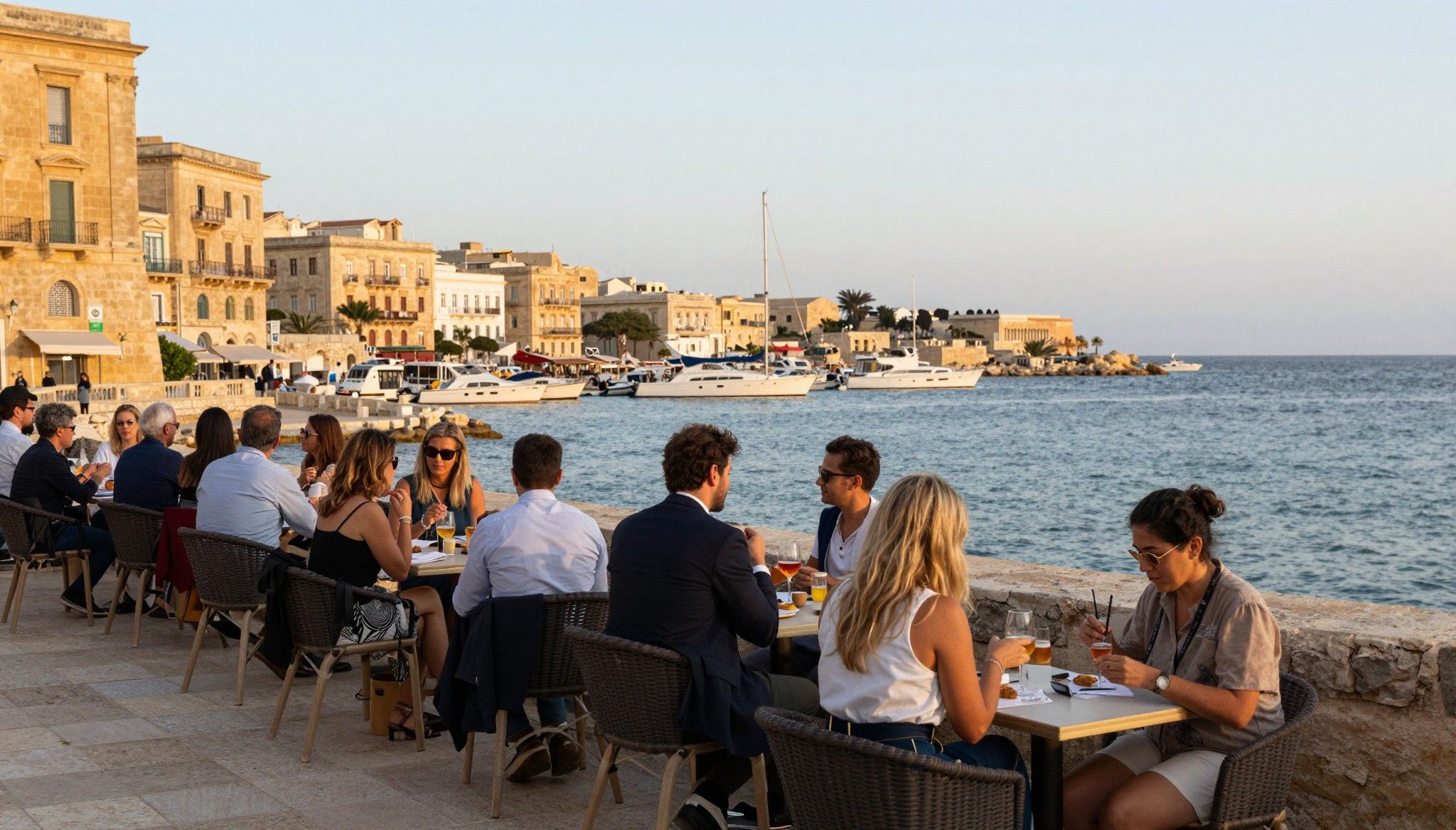
Picture an afternoon in Valletta: a slow walk past carved stone doorways, an espresso on a tiny terrace and the sun slanting across the Grand Harbour. Contrast that with Sliema’s lively seafront cafés where working expatriates gather, and St Julian’s, which pulses with restaurants and short‑stay rental activity. Each setting offers a distinct daily rhythm; for buyers, those differences are not aesthetic only but affect rental demand, renovation permissions and lifestyle fit. Local brokers increasingly segment offers by experience — historic urban living, seaside convenience, or village quiet — because buyers prize how they will spend time, not just the headline return.
Food, markets and the small social economies that matter
Weekends on the island often revolve around market visits, a leisurely lunch of lampuki or rabbit stew and an evening aperitivo by the water. Markets in Marsaxlokk and Valletta’s central market deliver seasonal produce and a social pulse that informs neighbourhood choice: families may favour quieter Ghajn Tuffieha or Mosta, while professional expatriates often choose Sliema for its cafes and co‑working options. These micro‑habits — where you buy your bread, where children play after school — determine which street feels like home and which properties hold long‑term desirability.
- Lifestyle highlights: morning markets, harbour walks, terraced dinners, Sunday church and long summer evenings by the sea
Making the move: how lifestyle choices shape what to buy
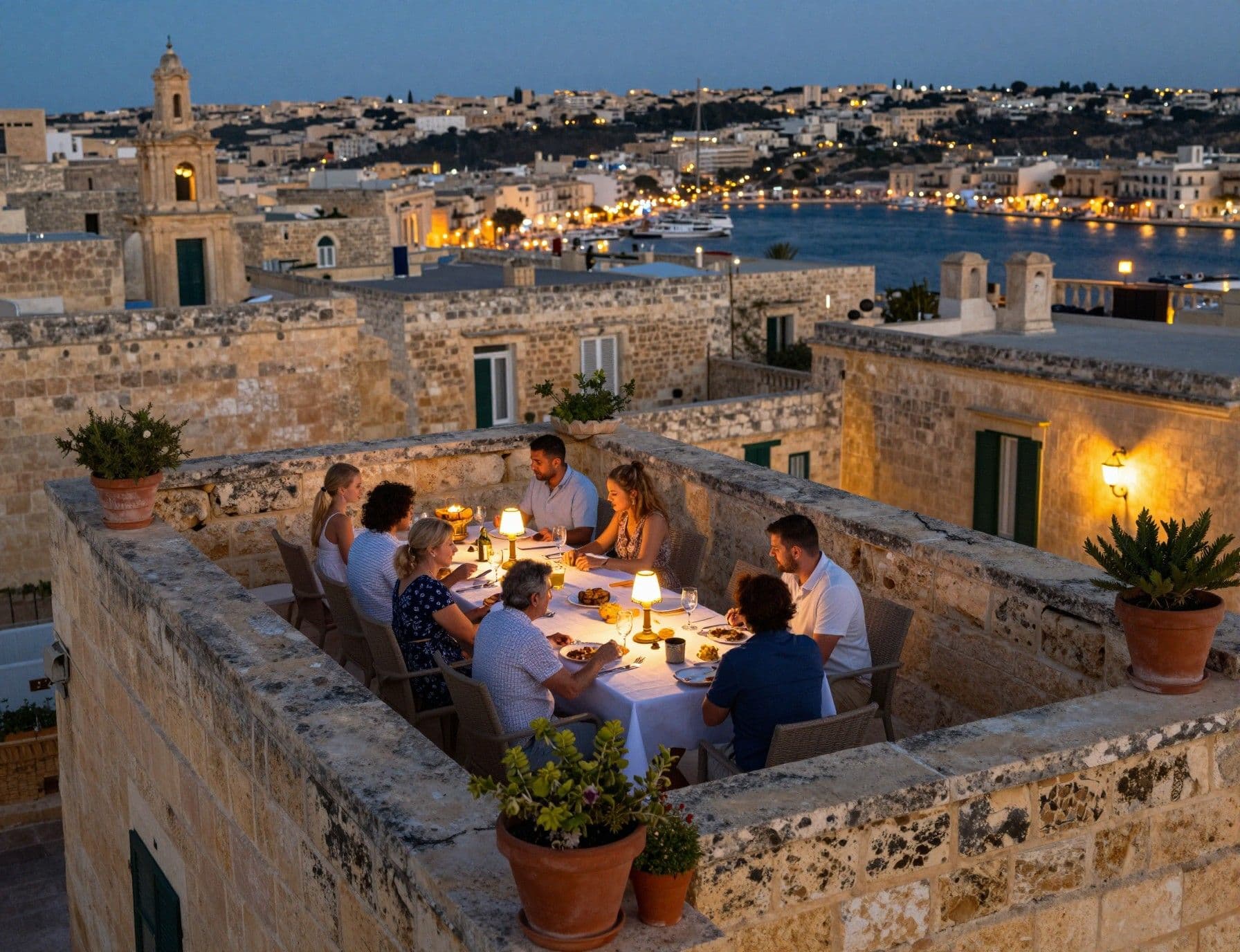
The island’s market is not uniform; central statistics show steady price rises in recent years, but that growth is concentrated in particular product types and locations. Apartments and maisonettes account for the majority of stock and price movement, while townhouses and village homes present different renovation opportunities. For buyers whose priority is evening promenades and easy services, an apartment near Sliema offers convenience; for those seeking provenance and character, a restored townhouse in Rabat or Senglea provides depth and future value. Understanding where lifestyle and supply intersect reduces the risk of a mismatch between dream and daily use.
Property types and the life they allow
A modern apartment gives you immediate access to cafés and short‑term rental markets; a traditional townhouse offers private terraces, thicker walls and an opportunity for crafted restoration. Climate matters too: high ceilings and cross‑ventilation are valuable in older homes, while contemporary builds often prioritise insulation and glazed terraces. Match the building’s bones to the life you want — frequent travellers may prefer low‑maintenance flats with secure management; those seeking a family life will prize gardens and proximity to schools.
Working with local experts who understand daily life
- 1. Ask agencies for neighbourhood day‑in‑the‑life tours that include cafés, school runs and evening routes. 2. Request recent comparable sales (within 12 months) for the exact street rather than the town. 3. Insist on builders’ reports for older stone properties to understand damp, structure and costs. 4. Verify short‑term rental rules in your target locale before assuming tourism yield. 5. Speak to local residents or expatriate groups to test social fit and daily conveniences.
Insider knowledge: the truths locals tell new arrivals
Expats often discover that Malta’s friendliness coexists with a protection of local norms: loud renovations, disputes over façade treatments and parking battles are common. The island’s small size means market sentiment shifts quickly when policy or tourism flows change, a point emphasised in recent international economic reporting. Practically, that means due diligence should include community and planning checks — a planning consent in hand is worth more than an optimistic verbal promise.
Cultural integration and daily rhythms
English functions as a working language, easing bureaucracy and community entry for many international purchasers, yet Maltese social life still orbits family, church and seasonal festivals. Making friends often happens through neighbourhood rituals — local festas, market days and shared terraces — rather than formal expat networks. Learning a few Maltese phrases and attending a festa can accelerate belonging and also reveal which streets are genuinely lived‑in rather than staged for tourism.
Conclusion: buy the life first, then the asset. Malta rewards buyers who prioritise how they will spend mornings and evenings — the café, the harbour walk, the school run — because those choices concentrate value in a tiny market. Use local market data (NSO RPPI and recent broker reports), insist on neighbourhood visits at different times of day and work with agents who know which streets hold provenance and which are transient. When lifestyle and due diligence align, a Maltese home is not simply an investment but a new, richly textured way of life.
Norwegian with years in Florence guiding clients across borders. I bridge Oslo and Tuscany, focusing on legal navigation, cultural context, and enduring craftsmanship.