Malta: How Neighbourhood Choices Drive Value
Malta’s compact market rewards lifestyle‑minded buyers who pair street‑level knowledge with deed‑level data; small neighbourhood choices drive value.
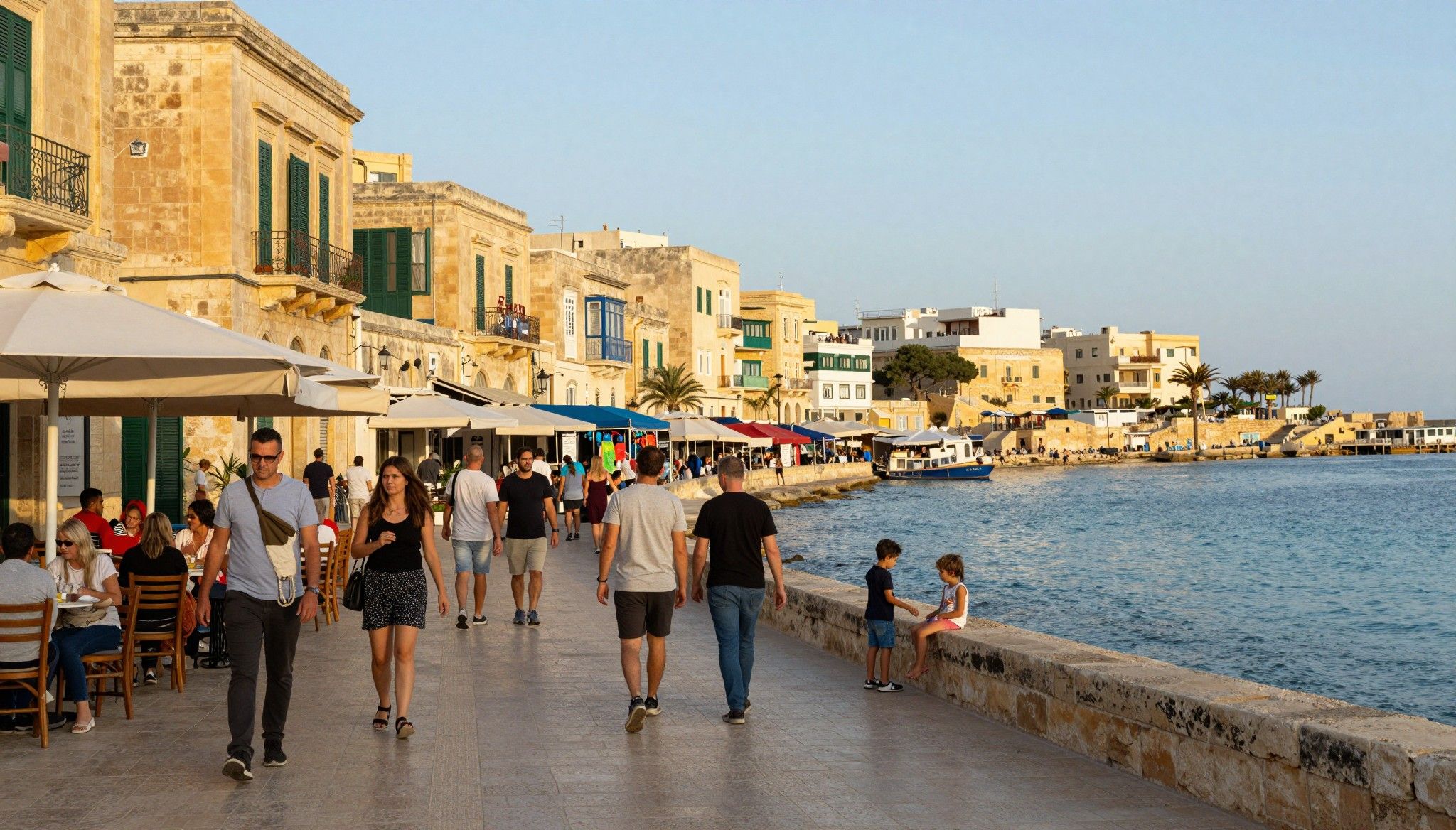
Imagine waking to the sound of church bells over a honeyed limestone terrace, then crossing a narrow street to buy warm ftira at a bakery on Triq it-Torri. Malta is compact—an island where historic palazzos, seaside promenades and new penthouses sit within minutes of one another. That intimacy shapes not only daily life but the way property moves here: values respond quickly to shifts in demand, and lifestyle choices—a walkable neighbourhood, a particular café, a view of Marsamxett Harbour—become investment signals. Recent market analysis shows steady transactional growth, making the island simultaneously alluring and precise in how a buyer must approach it.
Living Malta: a day that explains the market
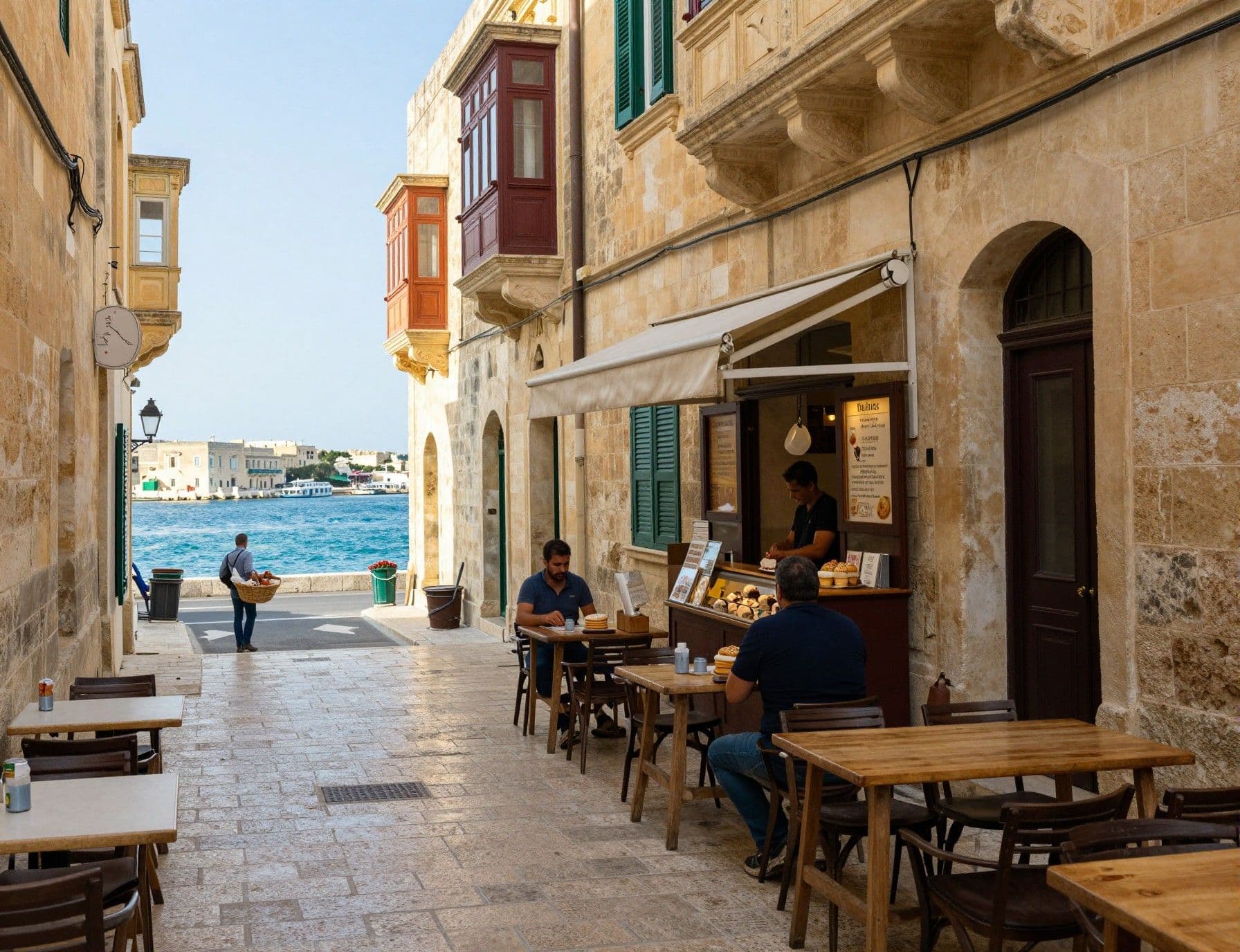
Begin in Valletta at first light to understand why location matters more than square metres. The baroque facades and narrow streets produce an urban rhythm where a small, beautifully restored maisonette can feel larger than its plan suggests. Travel ten minutes to Sliema and the pulse changes: apartment living, seafront cafés and elevator-served terraces dominate. That contrast—intimate historic fabric versus dense seaside modernity—is the single clearest explanation for Malta’s value map.
Valletta, Rabat and the historic core
In Valletta, Floriana and parts of Rabat, proportions and provenance carry premium. Buyers pay for original features—stone corbels, timber balconies, vaulted rooms—and the freedom to live within a UNESCO-adjacent historic narrative. Official price indices report consistent growth in transaction values for historic properties, reflecting both limited supply and strong buyer appetite for character-rich homes.
Sliema, St Julian’s and the seafront apartment life
Sliema and St Julian’s answer a different brief: convenience, contemporary finishes and proximity to international schools and workplaces. These neighbourhoods have absorbed the bulk of new apartment supply; as PwC’s survey notes, advertised prices and transaction volumes in urban coastal areas remain elevated, buoyed by demand from professionals and short-stay markets.
- Lifestyle highlights: morning and evening rituals to expect in Malta
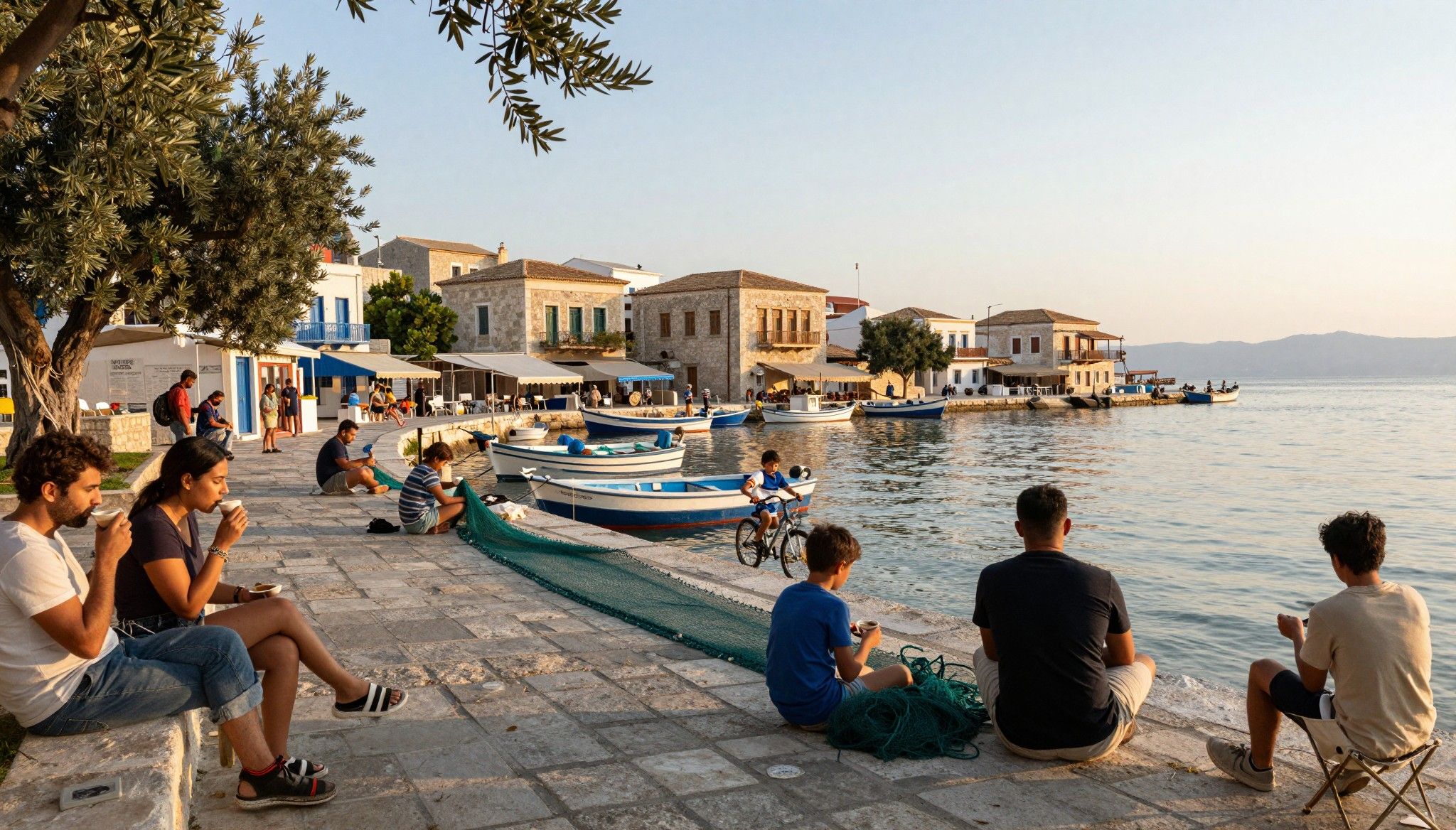
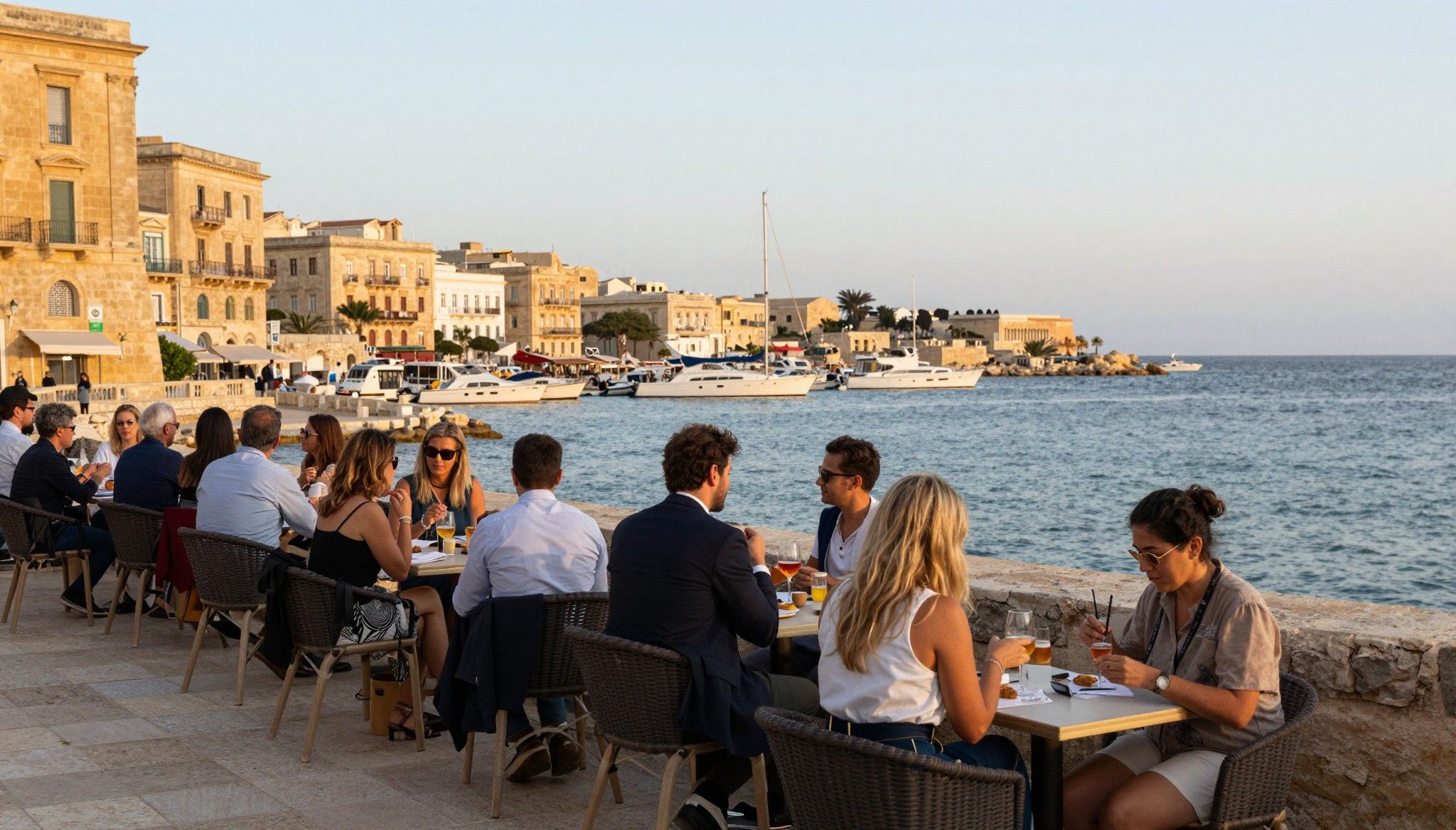
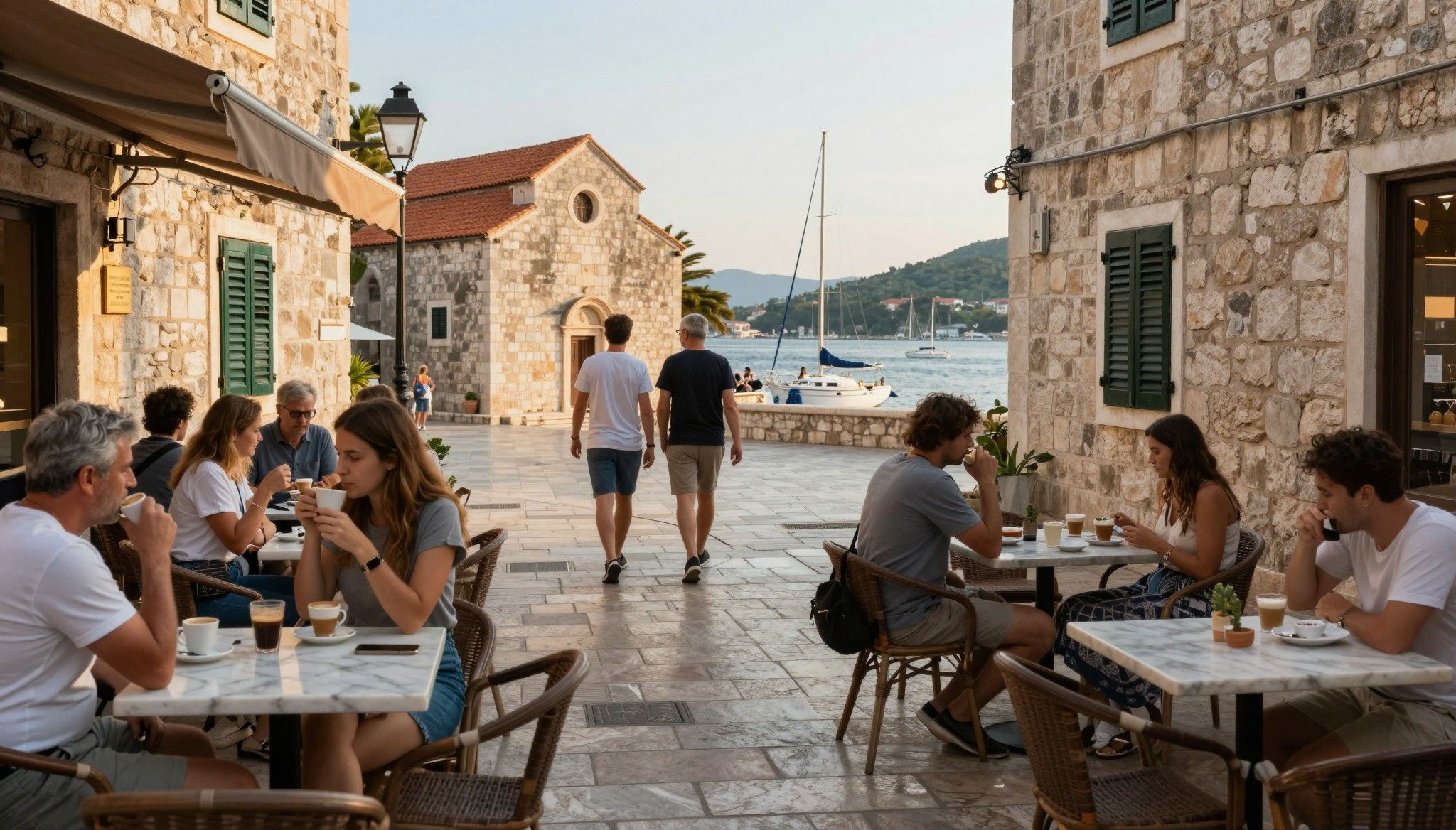
- Morning espresso and ftira at Pjazza San Ġorġ in Valletta; an afternoon swim at Għajn Tuffieħa; aperitifs along Tigné Seafront; weekend fish at Marsaskala’s harbour; seasonal festas that close streets and enliven neighbourhoods.
Making the move: how lifestyle choices shape value
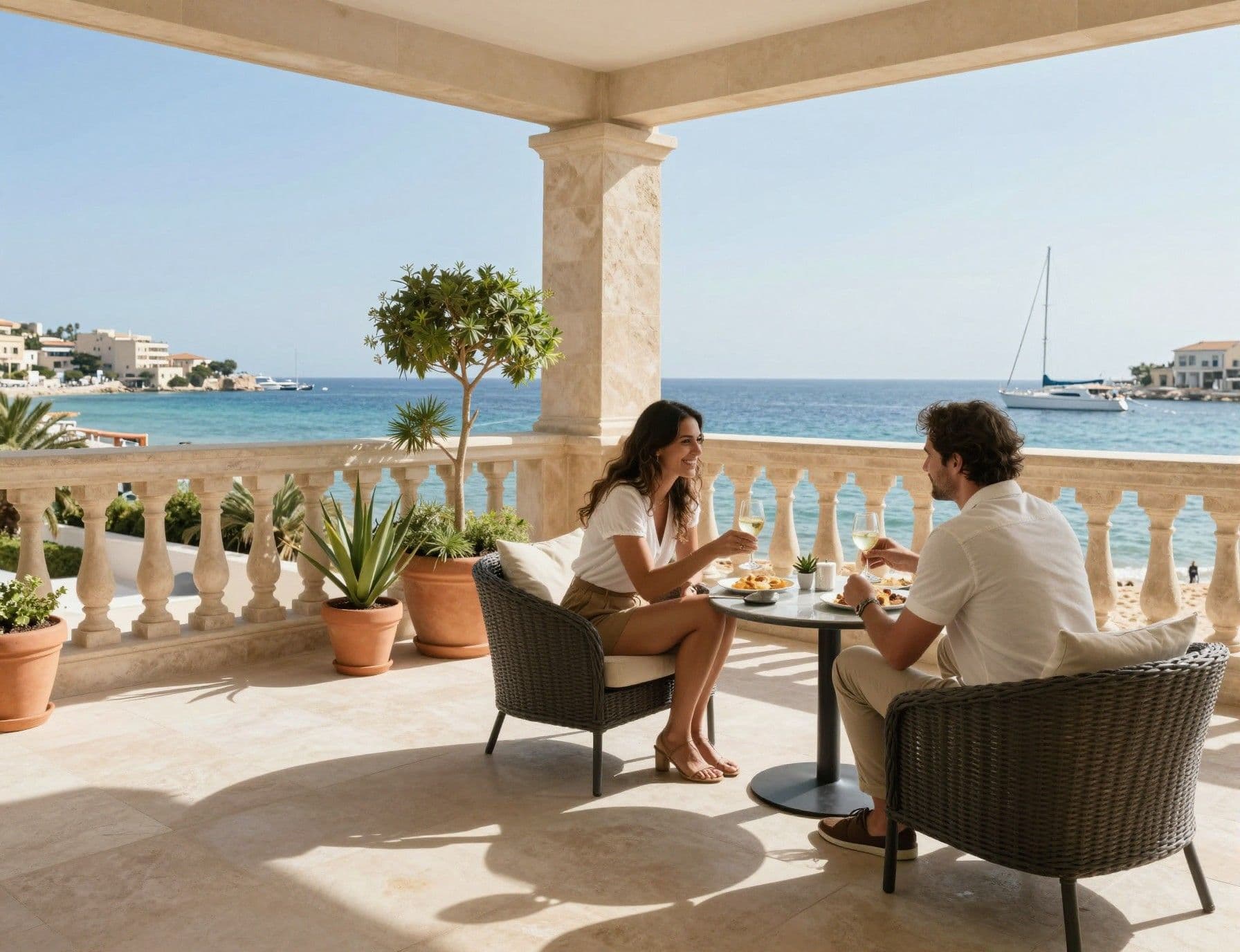
Your preferred mode of life—walkable old town, seafront apartment, or quieter village house—determines not only monthly rhythms but likely capital trajectory. Malta’s market is small and segmented: micro‑neighbourhoods can appreciate differently. Understanding those micro-movements is as important as headline indices when estimating future value.
Property types and how they fit a life
Maisonettes and traditional townhouses reward patience and sensitive restoration; apartments offer rental flexibility and lower maintenance. Official data and market reports show that apartments remain the most traded class—they suit buyers seeking a lock‑up‑and‑leave life or consistent rental demand in business hubs and tourist corridors.
Working with agents who understand both life and ledger
- Choose an agency that demonstrates: local provenance knowledge; a track record placing buyers into the specific street or square you favour; clear evidence of after‑sale stewardship (house managers, restoration contacts); transparent data on recent comparable deeds.
- Ask for recent deed references (not just listings), a summary of repairs or renovations completed, and evidence of rental demand if you plan to let—these items translate lifestyle promises into measurable value.
- Negotiate with firm knowledge of local transaction patterns: commissions, average days on market for your neighbourhood, and whether the property has been marketed for short‑lets (which can affect planning and licensing).
Insider knowledge: what expats quietly learn
Expat life in Malta often begins with easy English conversation and convivial neighbours, but small practical truths emerge quickly: summers are busier and noisier in coastal towns; parking can dominate daily logistics; and family networks still underpin many transactions. These mundane patterns influence what makes a home pleasurable—and what makes it sellable.
Cultural integration and everyday amenities
English is widely spoken and international schools are concentrated in Pembroke and Sliema, which matters to families. Local festas, parish rhythms and café culture define a social calendar; buyers who prize community life should prioritise streets where neighbours still gather in the evening.
Longer view: how a life here evolves
Buyers who plan to live for a decade or more will notice incremental changes: selective conservation projects in older towns, renewed interest in energy efficiency for older stone houses, and gradual densification of coastal nodes. These trends favour buyers prepared to steward a property rather than simply speculate.
- Practical red flags to watch for
- Unresolved planning consents for rooftop terraces; properties listed as short‑let without a licence; absence of clear deed comparables for the immediate street; extensive recent cosmetic works without structural reports; unclear maintenance responsibilities in older communal buildings.
A pragmatic step-by-step for international buyers
- 1. Visit in two distinct seasons (spring and late summer) to feel daily life and noise patterns.
- 2. Request recent deed references and ask an independent architect to review structural condition.
- 3. Secure a local agency with in‑house aftercare or vetted restorers; insist on written service commitments.
- 4. Factor in micro‑costs: communal contributions, seasonal energy for cooling, and any short‑let compliance upgrades.
Conclusion: Malta’s appeal is immediate—the light on limestone, the proximity of sea and city—but successful buying requires translating that appeal into tangible criteria. Treat neighbourhoods as lived portfolios: what makes a street compelling at 7am and at 10pm will determine both your daily pleasure and the property’s resilience. Work with agents who can show deeds, restoration histories and local social rhythms; do so and you will own not only a home but a way of life.
Dutch former researcher who moved to Lisbon, specialising in investment strategy, heritage preservation, and cross-border portfolio stewardship.