Malta: Terrace Life, Neighbourhood Rhythm and Market Reality
Malta rewards buyers who prioritise neighbourhood rhythm, terrace life and conservation; RPPI data shows steady gains—choose micro‑location, not just price.
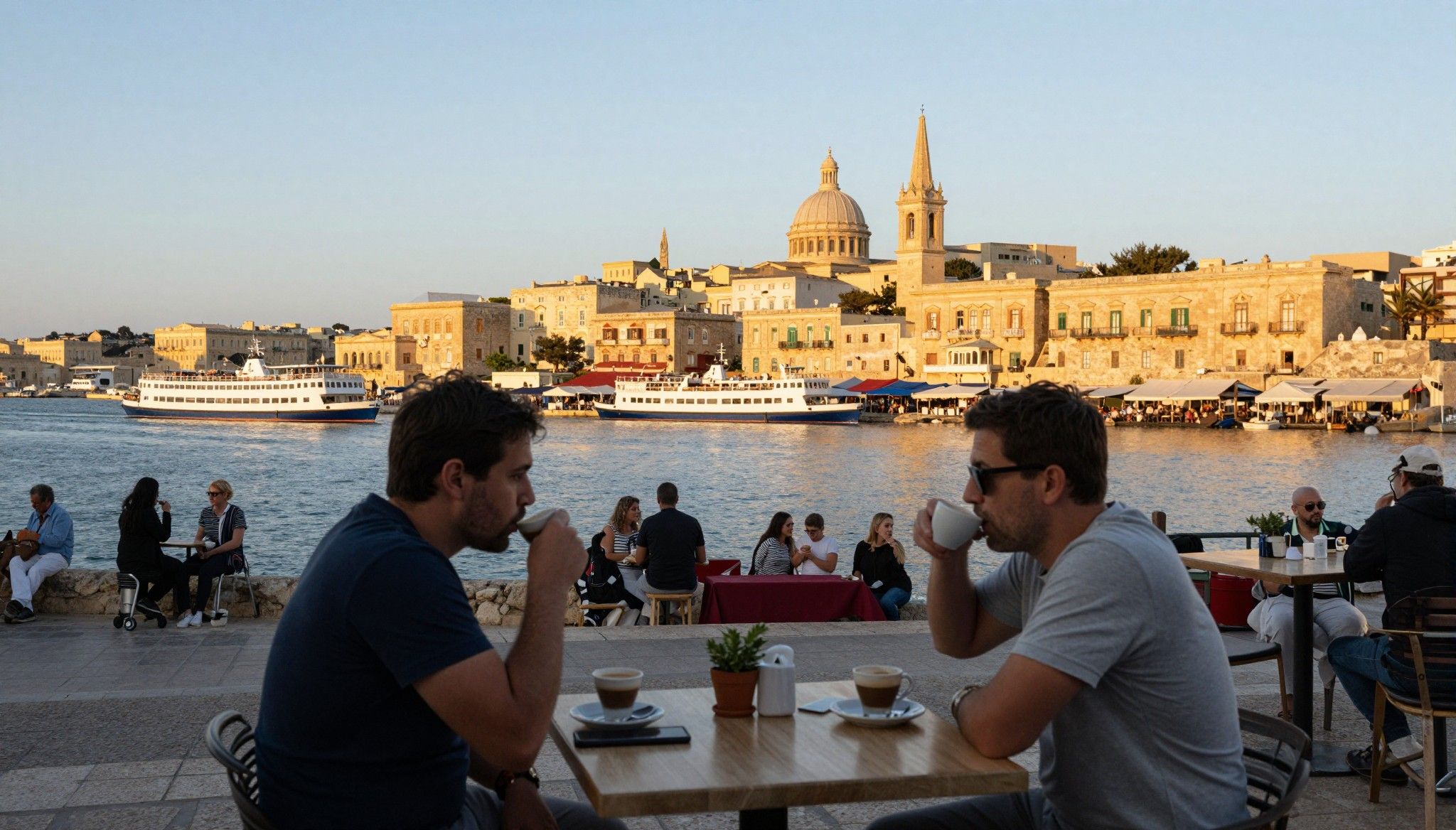
Imagine waking to the thin, briny light that slides down Valletta’s limestone façades, then walking past a baker setting out ftira and almond paste in Triq Sant' Orsla. Malta is compact enough that a weekend can contain a Baroque cathedral morning, a family-run harbour lunch and a sunset swim on the opposite coast. For many international buyers the island’s allure is immediate: luminous streets, conversation in English, and a civic texture stitched from Mediterranean ritual and British pragmatism. Yet the practical question follows the romance: where on this small island do you buy a life that feels genuinely local rather than merely tourist-adjacent?
Living the Malta Life
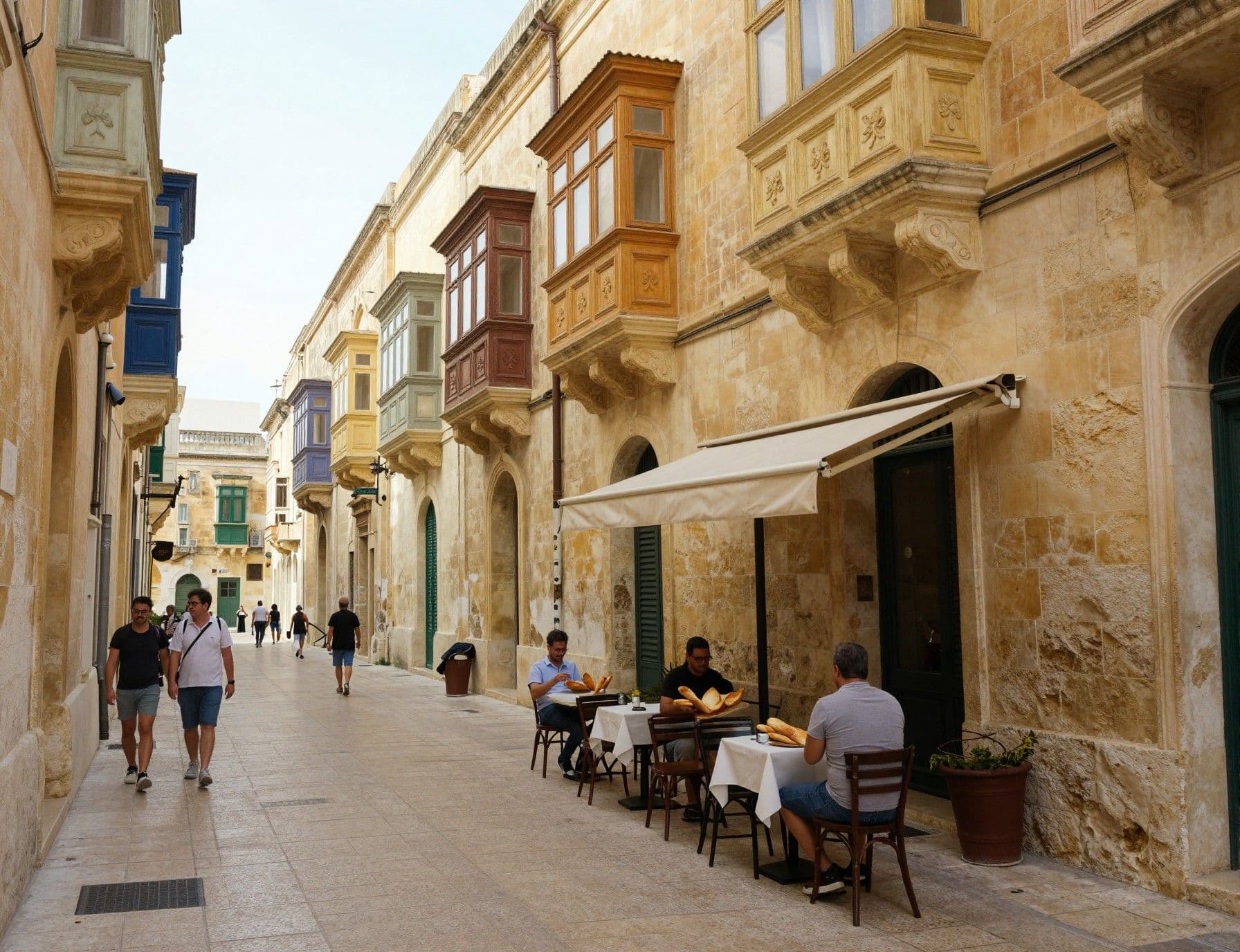
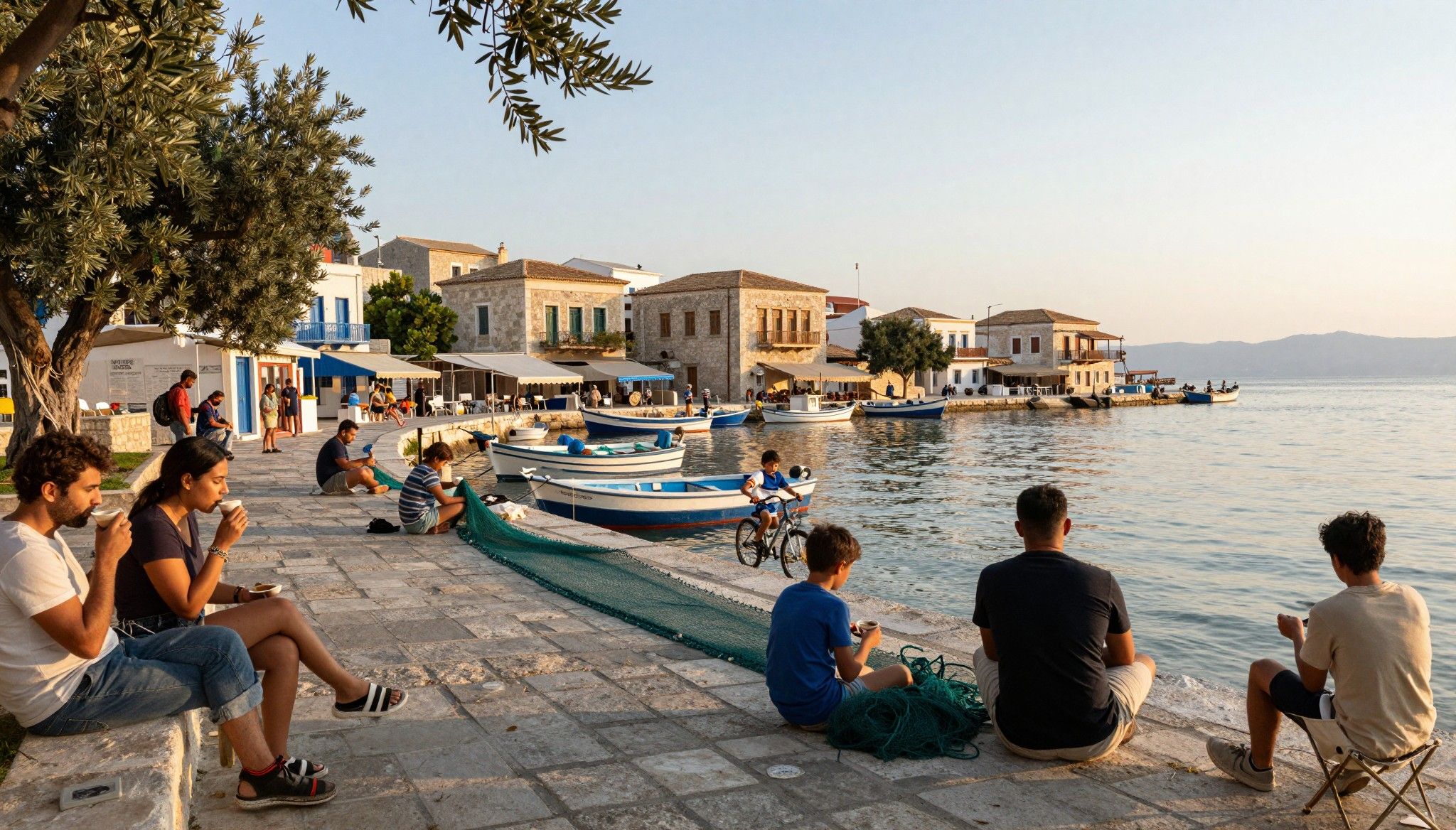
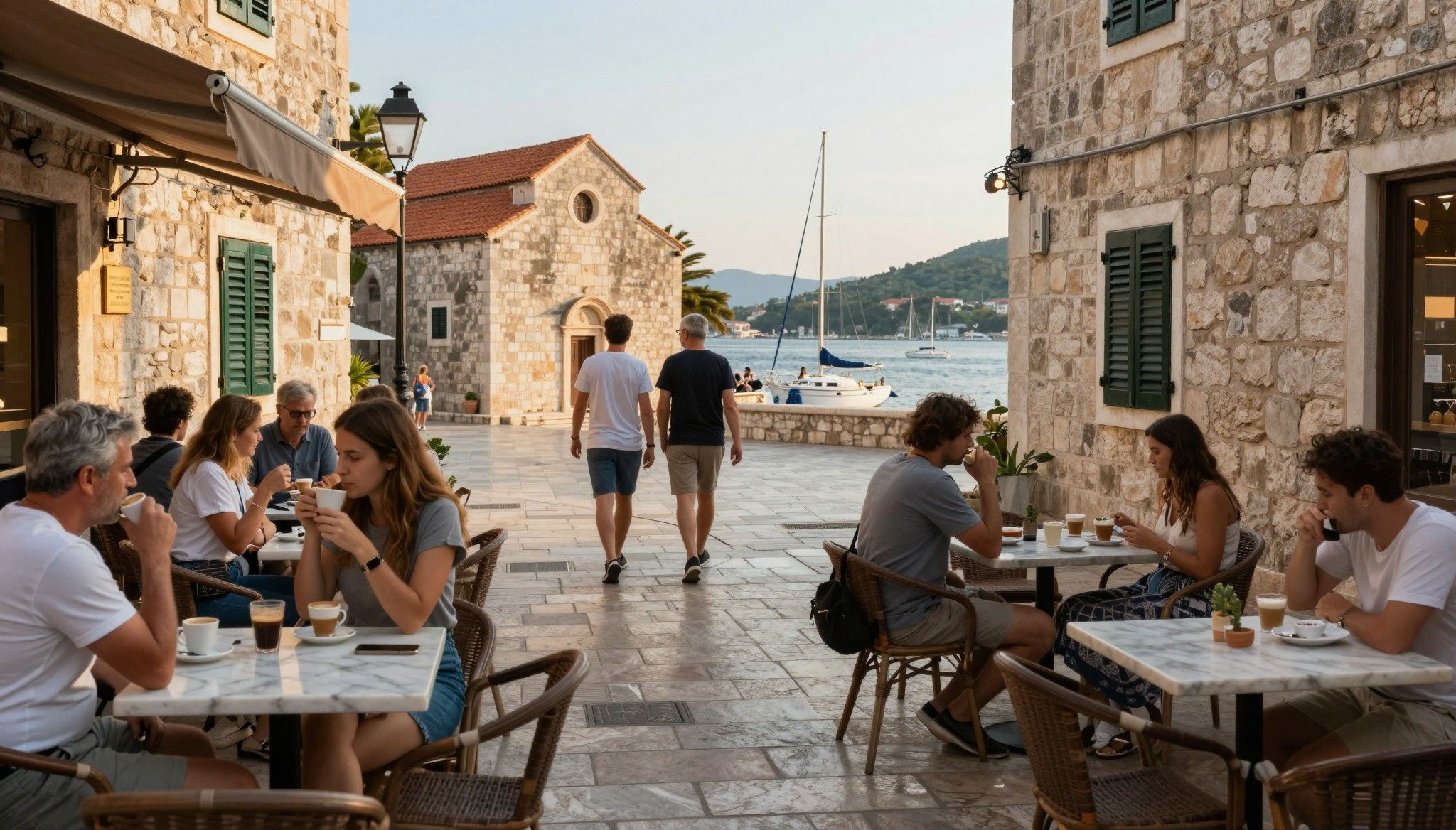
Daily life in Malta is measured in sensory counters: the bell of a parish church, the steam of espresso, the smell of sun-warmed stone. Streets such as Valletta’s Republic Street, Sliema’s Tower Road and Mdina’s narrow lanes each keep time differently — one for commerce, one for promenade, one for silence. Living here means a rhythm that privileges proximity: shops, cafés and neighbours are a short walk away and most social life happens outdoors for much of the year. For a buyer, that compactness changes what you prize: a well-proportioned terrace or a quiet courtyard often matters more than sheer interior square footage.
Valletta: history, close and lived
Valletta is both museum and living room: Baroque façades conceal small bakeries, a theatre company and apartments with sash windows. On Triq Ir-Repubblika you will pass a butcher, a boutique and an architectural restoration practice; behind a discreet stone arch you might find a private terrace looking down on Marsamxett Harbour. For buyers who prize architectural provenance, a restored palazzo or a carefully-converted townhouse offers the tactile rewards of original cornices, Maltese timber balcony (gallarija) detail and lime-plastered walls.
Coastlines and towns: Sliema, St Julian’s and the quieter east
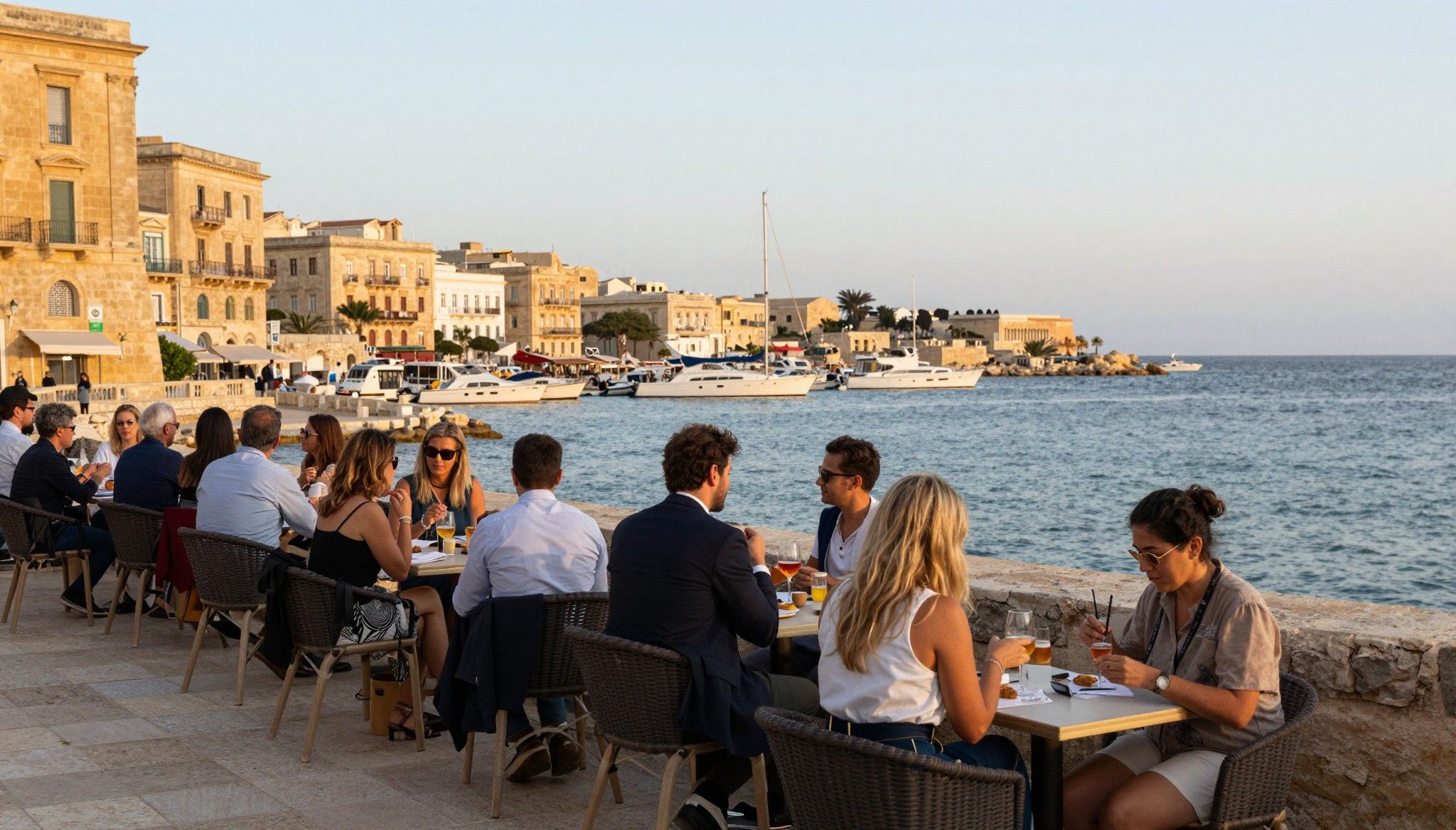
Sliema and St Julian’s answer the need for seaside convenience — cafés spilling onto the seafront, rows of boutique shops and an evening crowd that favors seafood and small-plate dining. Yet a few kilometres inland smaller villages such as Żabbar or Mosta present a quieter, community-oriented life with weekly markets and parish festas that mark the year. For the buyer seeking balance, consider promenade adjacency for social life and a secondary village base for authentic neighbourliness.
- Life-by-life highlights to test whether Malta suits you
- Morning espresso at Caffè Cordina (Valletta) then a short ferry to Sliema for late-morning shopping
- A Sunday swim at Golden Bay followed by a chapel-side rabbit stew in a village restaurant
- Evenings in St Julian’s for contemporary dining or quiet nights in a restored townhouse on a narrow street
Making the Move: Practical Considerations
The market is active and frequently misunderstood. National statistics show steady price appreciation — the RPPI rose by around 5% year‑on‑year in late 2024 — a reminder that Malta is not a low-cost entry point but a compact market where scarcity compounds quickly. Local industry reporting notes sustained demand, a strong rental market and growing interest from buyers seeking residences rather than short-term rental flips. That reality reshapes strategy: buying the right micro-location and property type matters more than timing the market for a universal 'discount'.
Property styles and how they shape daily life
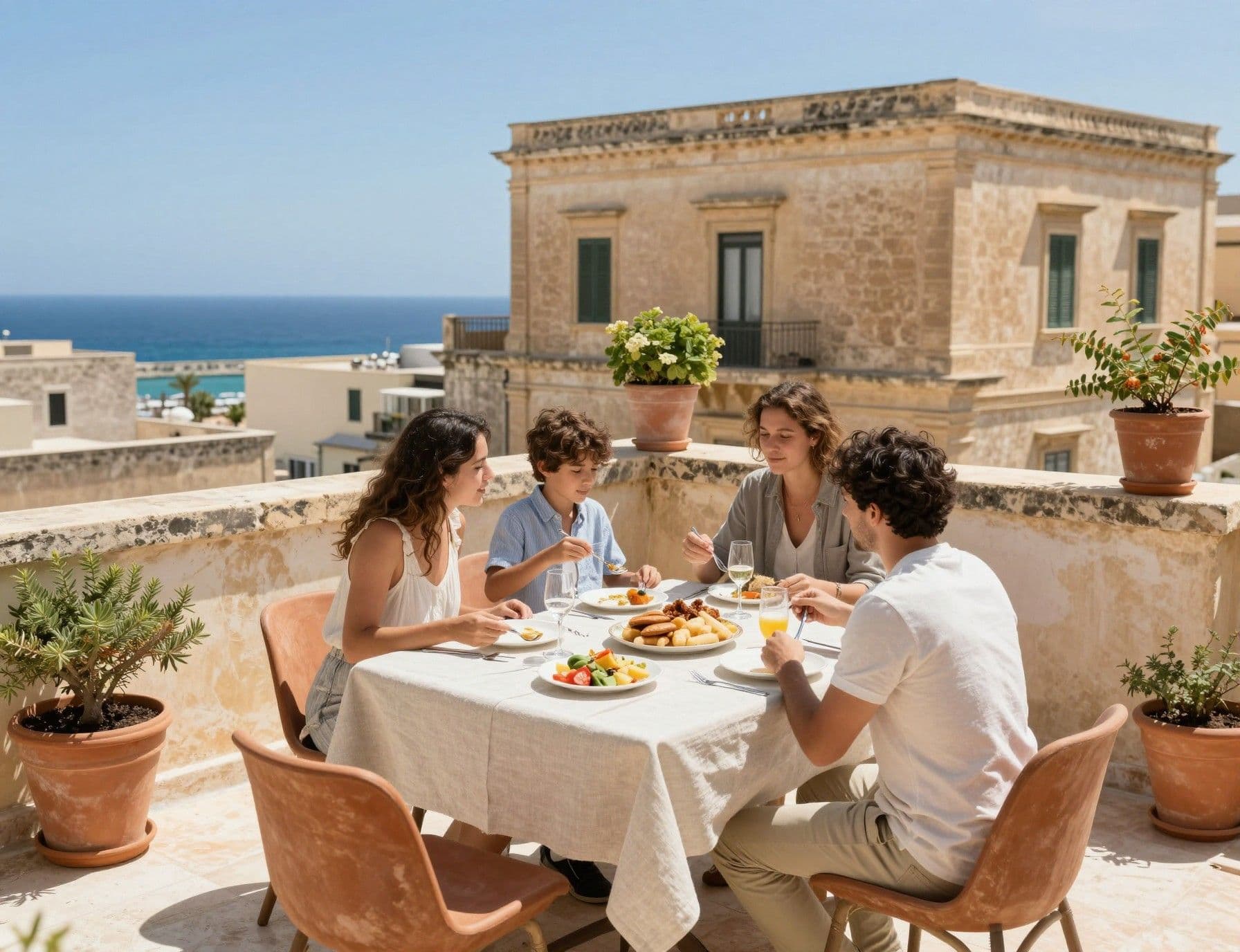
Maisonettes and apartments dominate Maltese housing stock; stone townhouses and terraced houses appear more rarely and carry provenance and restoration costs. A maisonette with a roof terrace offers outdoor life and view without the maintenance of a villa; a restored townhouse will reward a purchaser who values original detail but must budget for sympathetic renovation. Consider how you will live daily — the importance of an external terrace, sound insulation in dense streets, and cooling solutions in summer should all inform the typology you choose.
Working with local experts who know the island
Local agents and licensed brokers offer more than listings: they translate the language of neighbourhoods and connect buyers to reliable architects, notaries and contractors who understand limestone repair and conservation. For international buyers, an agent who can introduce you to a trusted valuer and an English‑speaking notary reduces friction. Seek agencies that demonstrate restoration experience and can evidence previous clients who moved permanently rather than speculatively.
- Steps to marry lifestyle wish-list with market reality
- Draft a lifestyle brief (must-have terraces, proximity to school or harbour, acceptable maintenance).
- Ask your agent for comparable sales within the last 12 months and confirm RPPI/transaction data from NSO.
- Commission a local valuation and an inspection focused on limestone condition, roof waterproofing and original joinery.
Insider Knowledge: What Expats Wish They’d Known
Expats commonly under‑estimate two things: the social value of small rituals and the practicalities of stone. Neighbours gather at corner cafés; festas close streets and reshape the social calendar. Conversely, lime plaster and Maltese globigerina limestone require specialist contractors who are not widely available at short notice. Those who budgeted for a cosmetic refurb often find they need specialist pointing or window restoration — costs that add up but preserve value.
Cultural integration, language and finding a community
English is widely spoken and institutions for international families exist, yet real integration follows repeated attendance: parish events, farmers’ markets in Marsaxlokk or community volunteering. Long-term residents advise learning a few Maltese phrases and attending local celebrations; small gestures swiftly turn a house into a neighbourhood home. For buyers who plan to rent, these local ties often translate into better tenant relationships and more stable mid-term yields.
Thinking long term: value, stewardship and the rental market. Reports indicate robust rental demand and steady price appreciation; Malta’s limited land and persistent tourism underpin resilience. But long-term value depends on stewardship: buildings that are well-maintained, sympathetically adapted and located where everyday life is desirable are the properties that retain demand from both residents and high-quality renters.
- Red flags and practical warnings
- Historic façades without recent structural surveys — ask for roof and lintel inspection reports.
- Properties advertised as "sea view" where the view is over a busy promenade — visit at different times of day.
- Assuming renovation costs are cosmetic rather than specialist — obtain quotes from conservation-minded tradespeople.
Conclusion: Malta’s compactness is its chief virtue and its chief constraint. The island compresses possibilities — meaning that a skilful local agent and a clear lifestyle brief convert scarcity into advantage. Begin with a short reconnaissance visit, prioritise a few streets rather than broad towns, and commission a valuation and specialist inspection before you commit. In doing so you purchase not merely a property but a daily life: a morning market, an evening passeggiata and a small circle of neighbours who will, in time, make it home.
Having moved from Stockholm to Marbella in 2018, I help Scandinavian buyers navigate Spanish property law, restoration quality, and value through authentic provenance.