Malta: Lived Provenance and Market Reality
Discover Malta’s lived rhythm—from Valletta terraces to village festas—paired with market data and practical steps for international buyers seeking provenance and prudent investment.
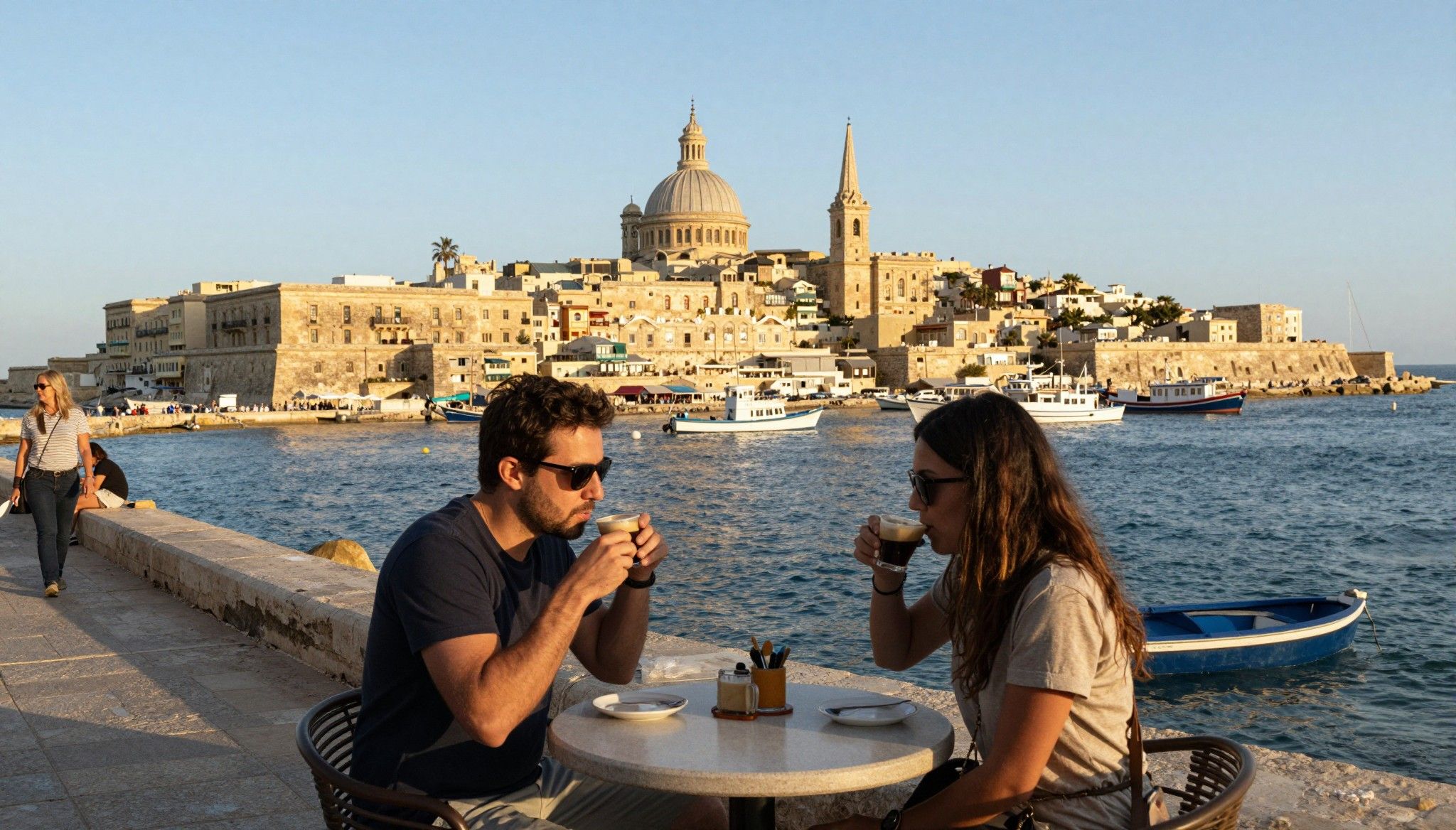
Imagine arriving in Valletta on a clear morning, the limestone façades glowing, espresso steaming on a pavement table and the harbour already busy with fishing boats and day-trippers. In Malta that scene folds easily into everyday life: compact streets, civic rituals, and a domestic architecture that invites both close-living and measured privacy. Yet beneath the sunlit surfaces the property market carries its own rhythm—steady price growth, concentrated demand for particular building types and neighbourhoods, and practical quirks that shape how you should search, bid and settle. This piece pairs the lived pleasures of Maltese life with data-led insight so international buyers can see both the dream and the ledger.
Living the Malta life
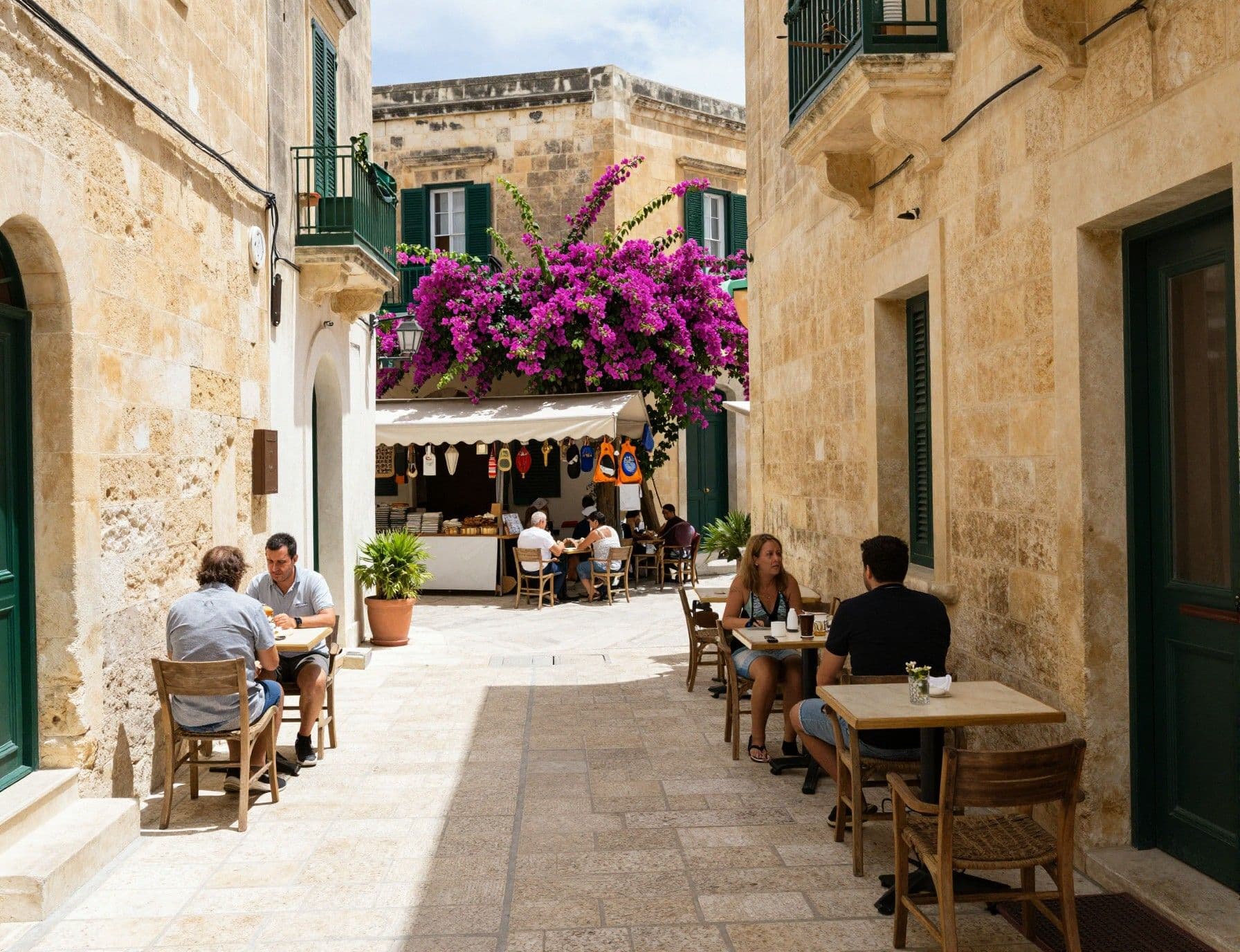
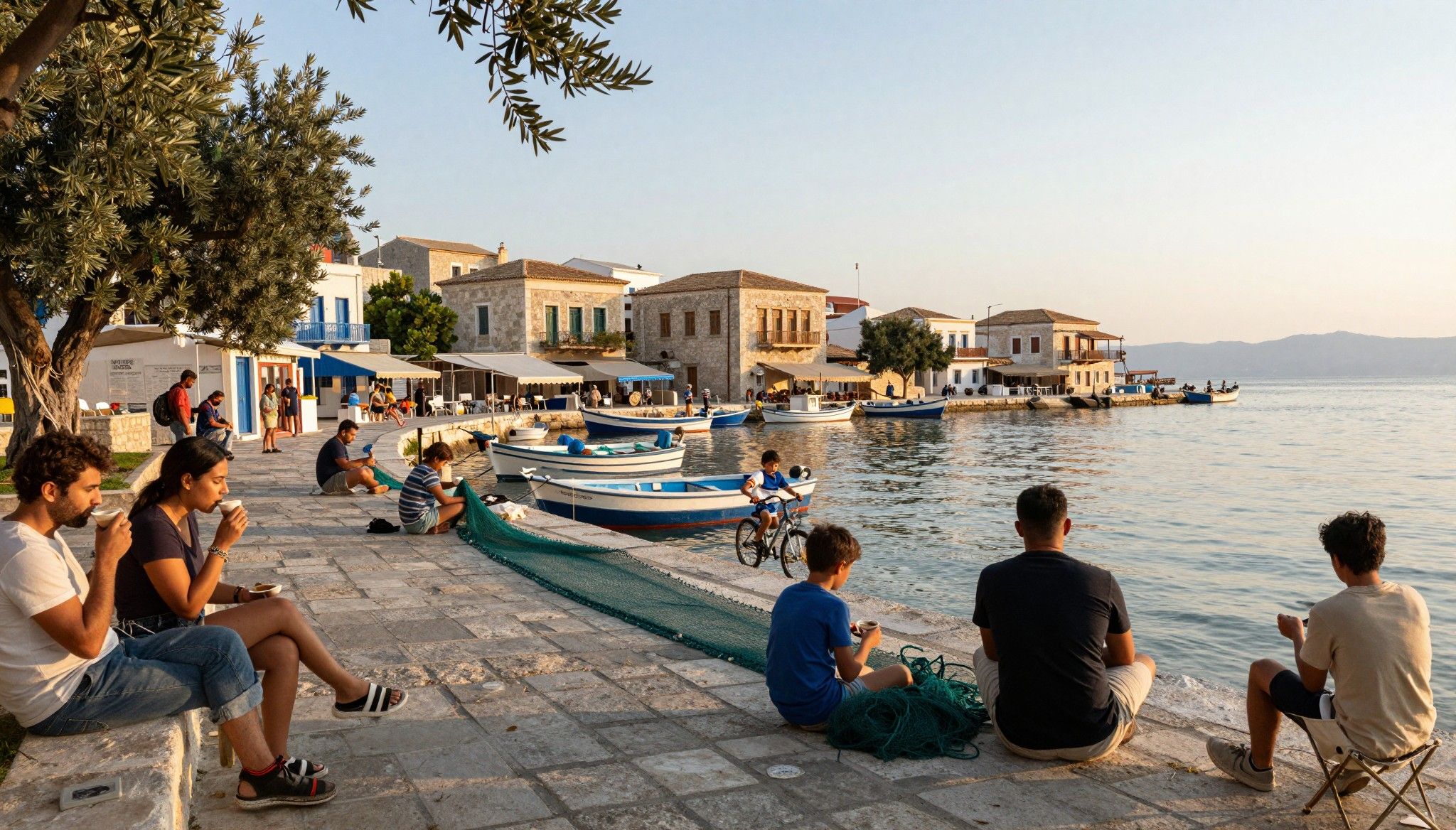
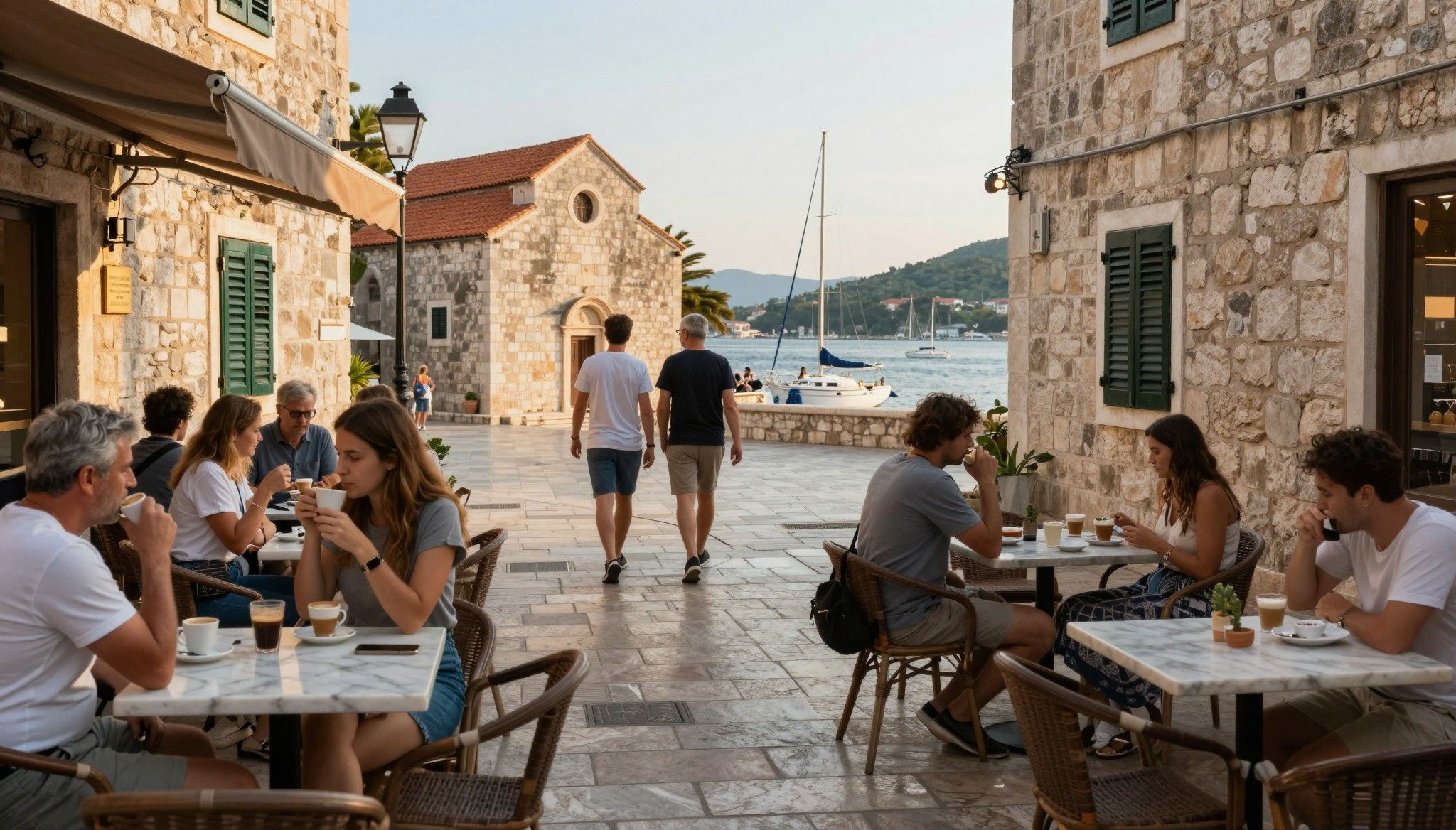
Malta compresses Mediterranean living into an island-sized offering: morning markets, late-night cafés in piazzas, and coastlines that shift from pebbled coves to dramatic cliffs within a twenty-minute drive. Daily life leans on community — local shops, parish festivals and neighbourhood bars — so address and street matter as much as square metres. Climate moderates the year: winters are mild and green, summers luminous and social, and those seasonal swings determine how terraces, shutters and rooftop spaces are valued during viewings and renovations.
Neighbourhoods that show you Malta
Valletta remains singular for provenance: baroque façades, narrow sightlines and high-ceilinged townhouses that appeal to collectors and those seeking immediacy to cultural life. Sliema and St Julian’s offer a polished coastal urbanity with cafés on the promenade and a steady rental market that attracts professionals and short‑stay demand. For quieter domestic rhythms, places such as Zebbug, Marsaxlokk and the village clusters of Gozo reward buyers who prize community, larger gardens and traditional stonework.
Food, ritual and weekends
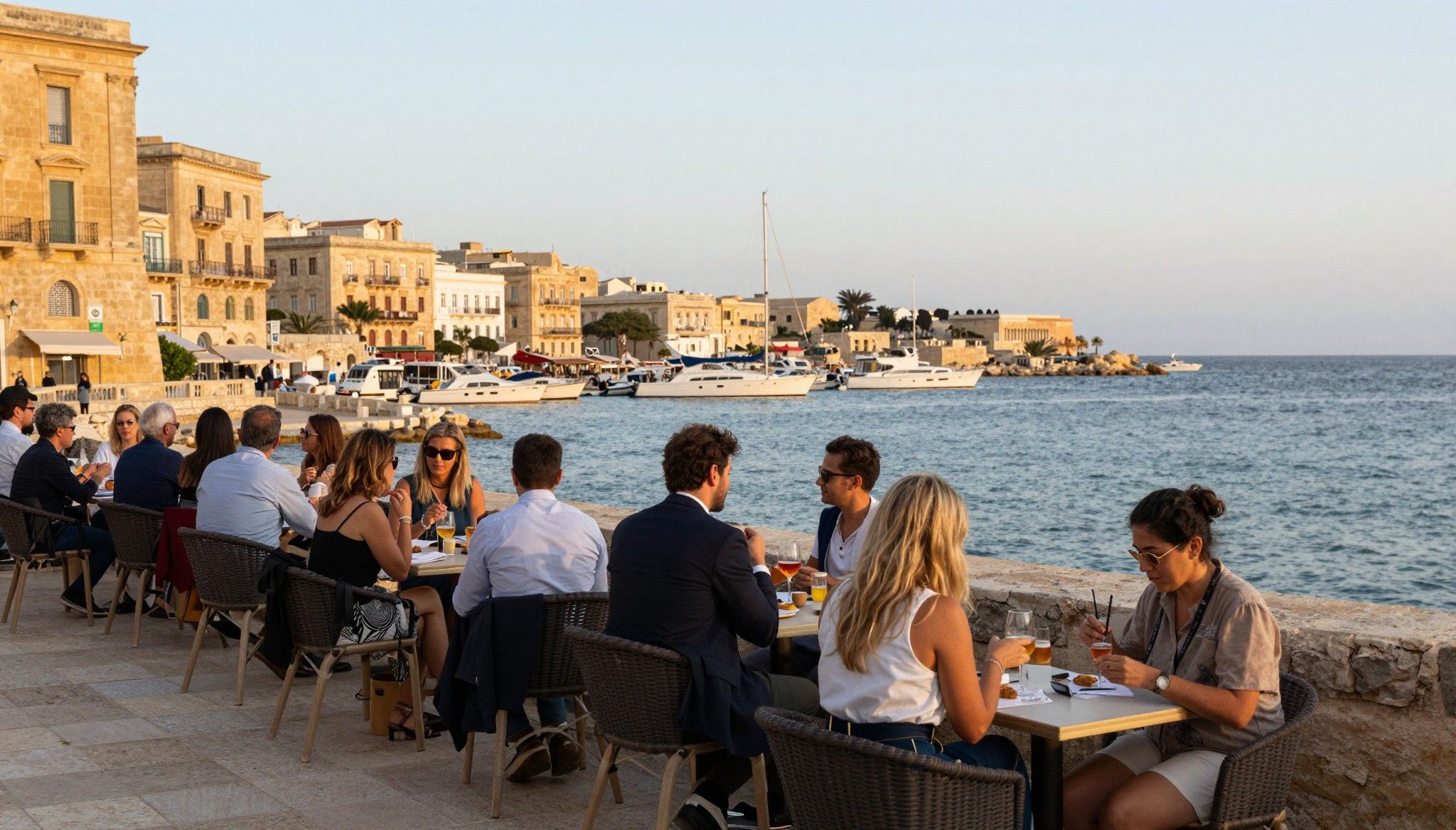
Weekends follow a gentle cadence: market shopping at Marsa or Valletta, lunch of lampuki or rabbit stew in a family-run trattoria, and late afternoon swims off Għajn Tuffieħa or St George’s Bay. Newer food scenes — small wine bars in Mdina or chef-driven restaurants around Sliema — coexist with long-established pastizzerias and fishmongers. These patterns shape where buyers look: apartment terraces near cafes, houses close to harbours, or properties with room for a kitchen garden become lifestyle premiums rather than purely square-metre calculations.
- Valletta theatres and museums; Sliema promenade cafés; St Julian’s nightlife and marina; Marsaxlokk fish market and Sunday lunches; Rooftop terraces with sea views; Village festas and parish squares
Making the move: practical considerations
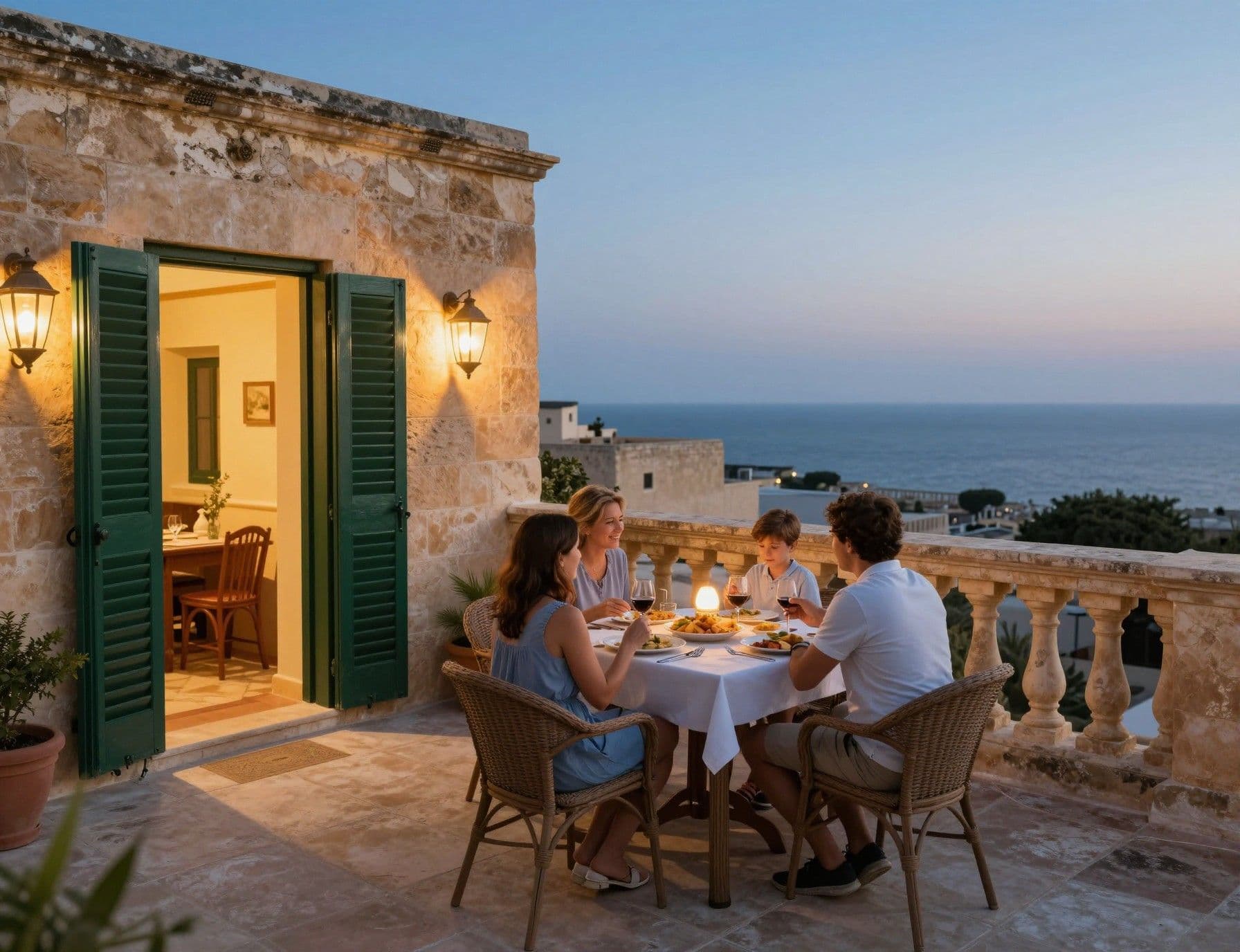
If the lifestyle draws you in, the numbers keep you honest. Malta’s Residential Property Price Index recorded steady growth through 2024–2025, reflecting durable demand for apartments and maisonettes as well as rising transaction values. Macroeconomic commentary from international institutions notes that residential gains have moderated but remain positive, and rental markets have been tightening in certain urban belts. Those trends mean buyers should reconcile emotional preference with market reality—expect competition for well‑located, well‑provenanced properties and build time for due diligence into your schedule.
Property types and how they shape life
Historic townhouses reward patient restoration: high ceilings, stone balconies and original cornices create rooms that carry temperature and character but often require specialist trades and planning permission. Modern apartments in Sliema or Gzira trade craftsmanship for convenience — managed blocks, lifts and easy rental potential. Maisonettes and terraced houses present a middle way: indoor-outdoor flow, private terraces and the adaptability to host guests or a home office, which is increasingly important for remote work.
Working with local expertise
- 1. Engage an agent with neighbourhood provenance and restoration contacts; they read both market and lifestyle cues. 2. Commission a local surveyor early—limestone façades and older timber require specialist inspection. 3. Build a renovation budget that accounts for artisan trades and permit times; small jobs often take longer than expected. 4. Consider rental strategy now: short‑term demand concentrates in St Julian’s and Valletta; long lets are steadier in family suburbs. 5. Verify residency or purchase conditions for non‑EU nationals and consult a Maltese notary before finalising the promise of sale.
Insider knowledge: what expats wish they'd known
Practical realities often surprise new arrivals. Many underestimate how postal districts and parish identity determine everyday convenience: a few streets can change access to schools, groceries and quieter evenings. Others learn that the language of listings conceals trade-offs—'sea view' may mean a sliver of water between buildings, and 'character' sometimes signals deferred maintenance. Experienced expats advise prioritising walkability to places you already love: a favourite café, a reliable supermarket, or the harbour you’ll visit most often.
Cultural integration and daily life
English is an official language and the social mix is cosmopolitan, but daily connection happens through local rituals: the festa calendar, market conversations and café familiarity. To belong you will adopt small practices—timing visits around siesta‑like hours, learning a few Maltese phrases, or choosing a neighbourhood church or club as a social anchor. Those ties influence long‑term satisfaction more than square footage: a modest terrace in a warm‑hearted street will often feel more like home than a larger property in a disconnected development.
Longer view: stewardship and value
Think as a steward rather than a speculator. Properties with clear provenance, quality stonework and considered restorations retain desirability and age well. When you plan interventions, favour breathability in materials, respectful reinstatement of original features and small, high‑quality upgrades that ease daily life—improved kitchen workflow, discreet insulation, and sympathetic lighting. These changes preserve character and tend to outperform trend-driven remodelling in resale terms.
- Act on neighbourhood signals: parish festas, weekday markets, and school catchment lines; Prioritise roof terraces and shutters for Mediterranean living; Budget for specialist trades—stone masons, joiners, lime plasterers; Balance rental potential against personal use—short lets concentrate in coastal towns; Choose materials that age with dignity, not fashion
Malta offers a compelling union of pace, provenance and coastal life. If you are drawn to limestone streets and evenings eaten outdoors, pair that longing with measured research: verify market signals, enlist local experts with restoration and legal experience, and prioritise neighbourhood rhythms over headline price per square metre. The island rewards those who treat property as a place to live well and a responsibility to maintain. When you are ready, a local agent versed in both the market and the rituals of place will be the most effective bridge between desire and deed.
Dutch former researcher who moved to Lisbon, specialising in investment strategy, heritage preservation, and cross-border portfolio stewardship.