Why Malta’s Price Tags Mislead: Lifestyle Tradeoffs
How Malta’s charm shapes costs: a lifestyle‑first look at neighbourhood premiums, seasonal volatility, and practical steps for international buyers.
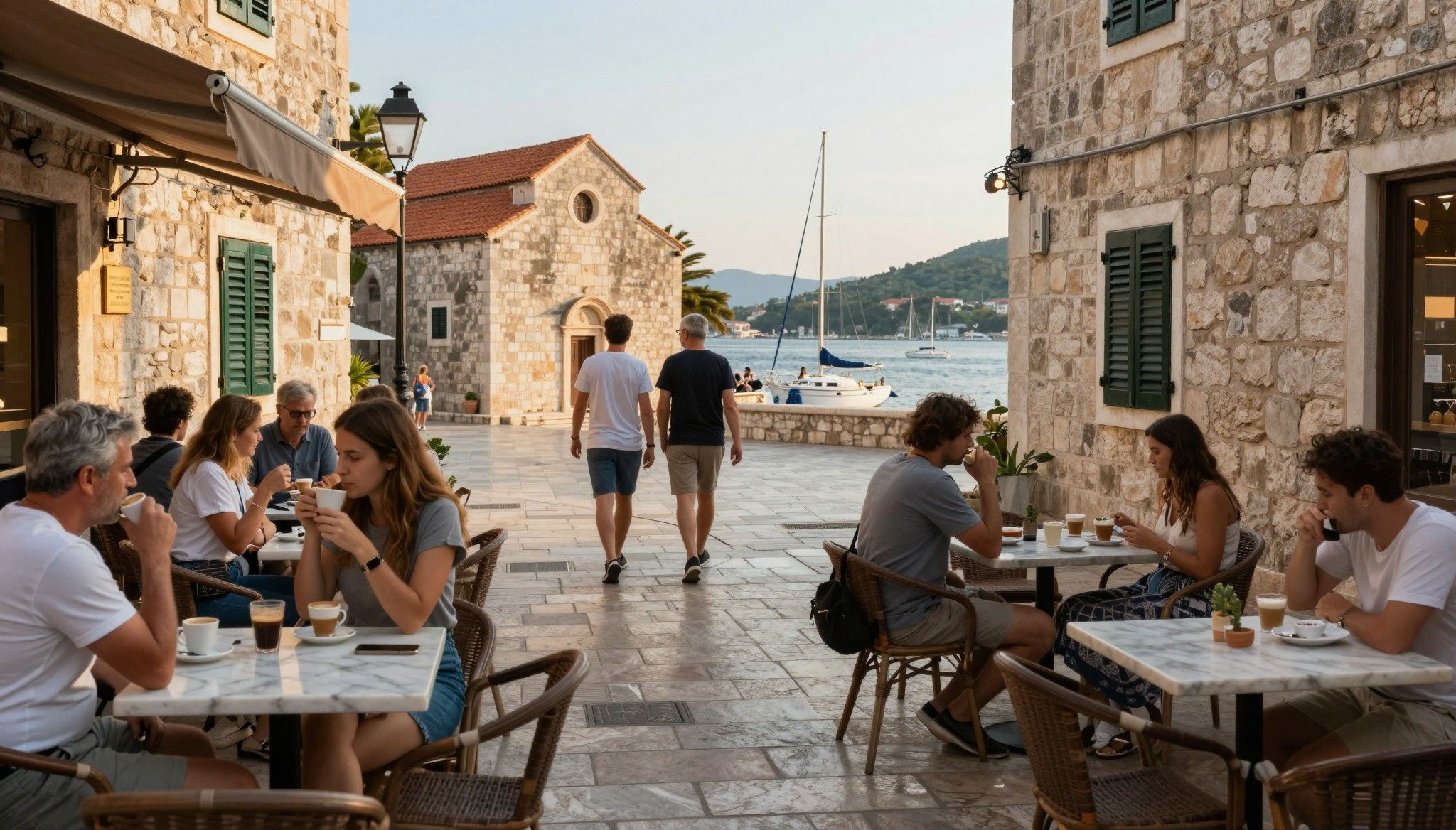
Imagine the light at dawn on Merchants Street in Valletta — limestone facades warming to honey gold, a small espresso steaming beside a newspaper, the harbour’s hush threaded through narrow alleys. That sensation is the first reason people fall for Malta: an immediate, tangible refinement that makes daily life feel curated. Yet those same streets are where price tags collide with reality; headline house‑price indices tell one story and neighbourhood rhythms another. This piece pairs the sensory life — cafés, festas, harbour walks — with the pragmatic data every international buyer needs to understand cost and value in Malta.
Living the Malta lifestyle
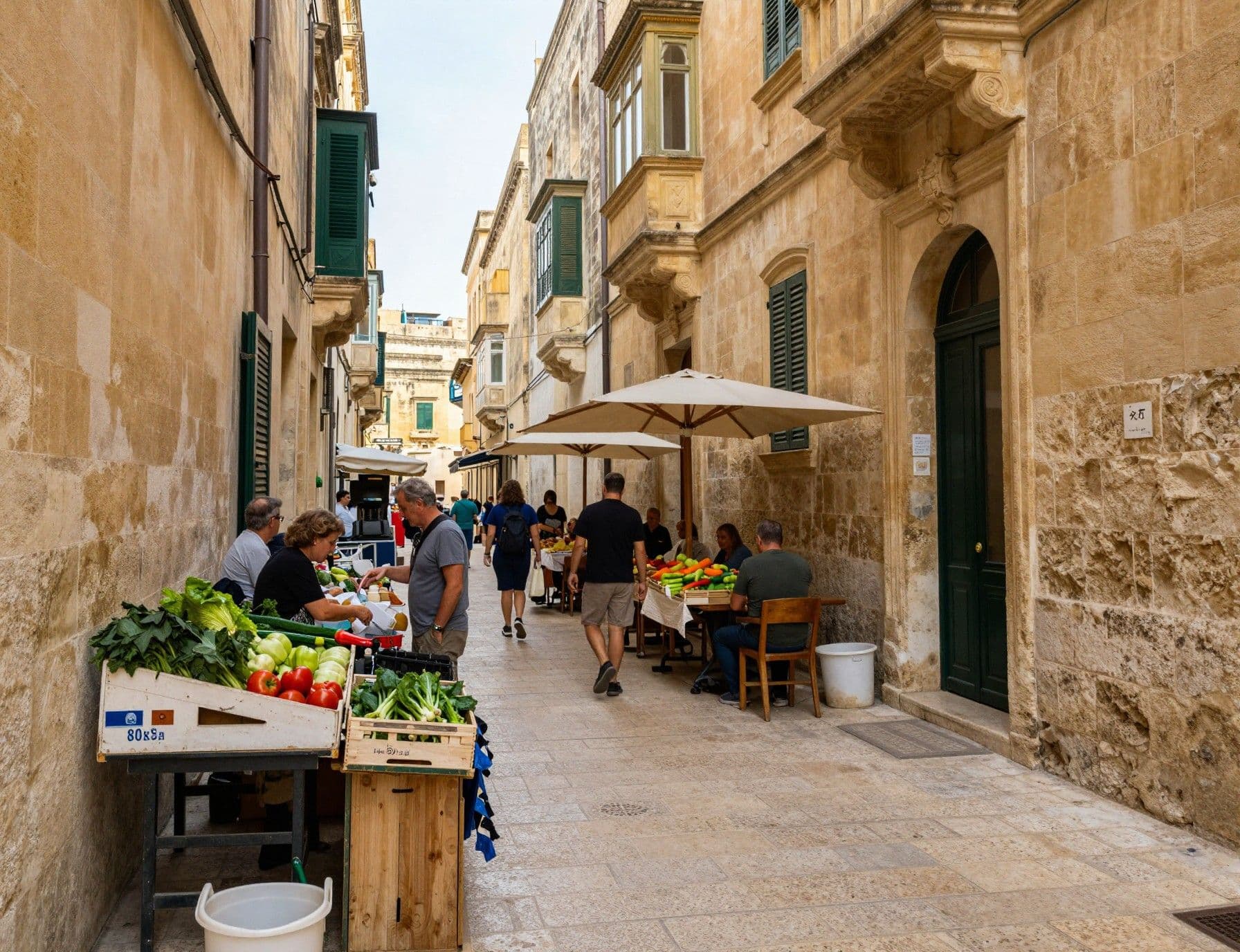
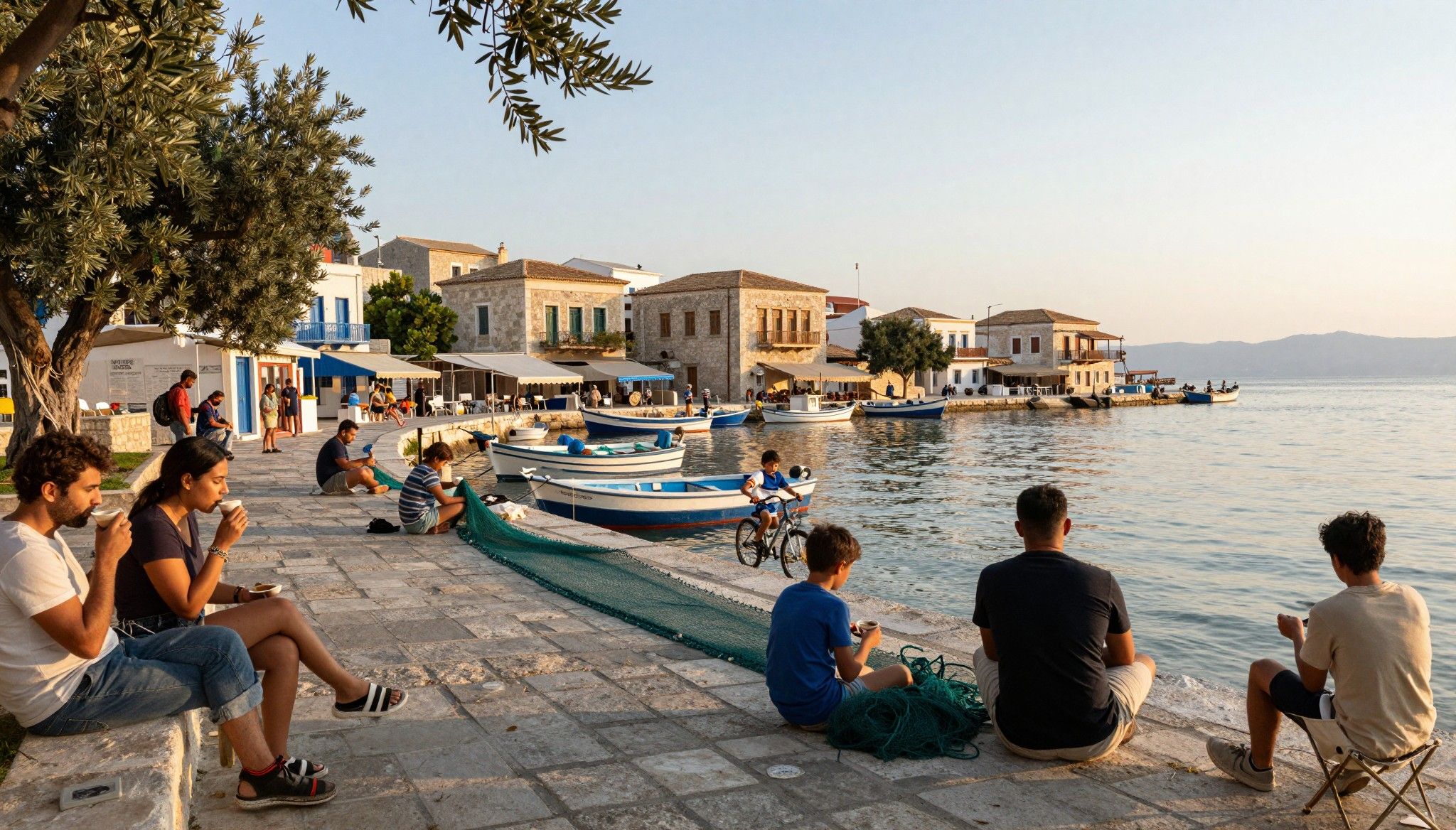
Malta condenses Mediterranean life into an island the size of a small city: mornings unfurl with market traders on Strait Street and afternoons slip into terraces in Sliema. Living here means choosing a tempo — the stately quiet of Mdina, the domestic bustle of Ħamrun, or the seaside choreography of St Julian’s — and each tempo carries its own cost. Unlike wide continental regions, the island’s compactness makes location a premium of its own: a short walk to the sea can add tens of thousands to a property price, while a five‑minute bus ride can halve it.
Valletta, Sliema and the waterfront nuance
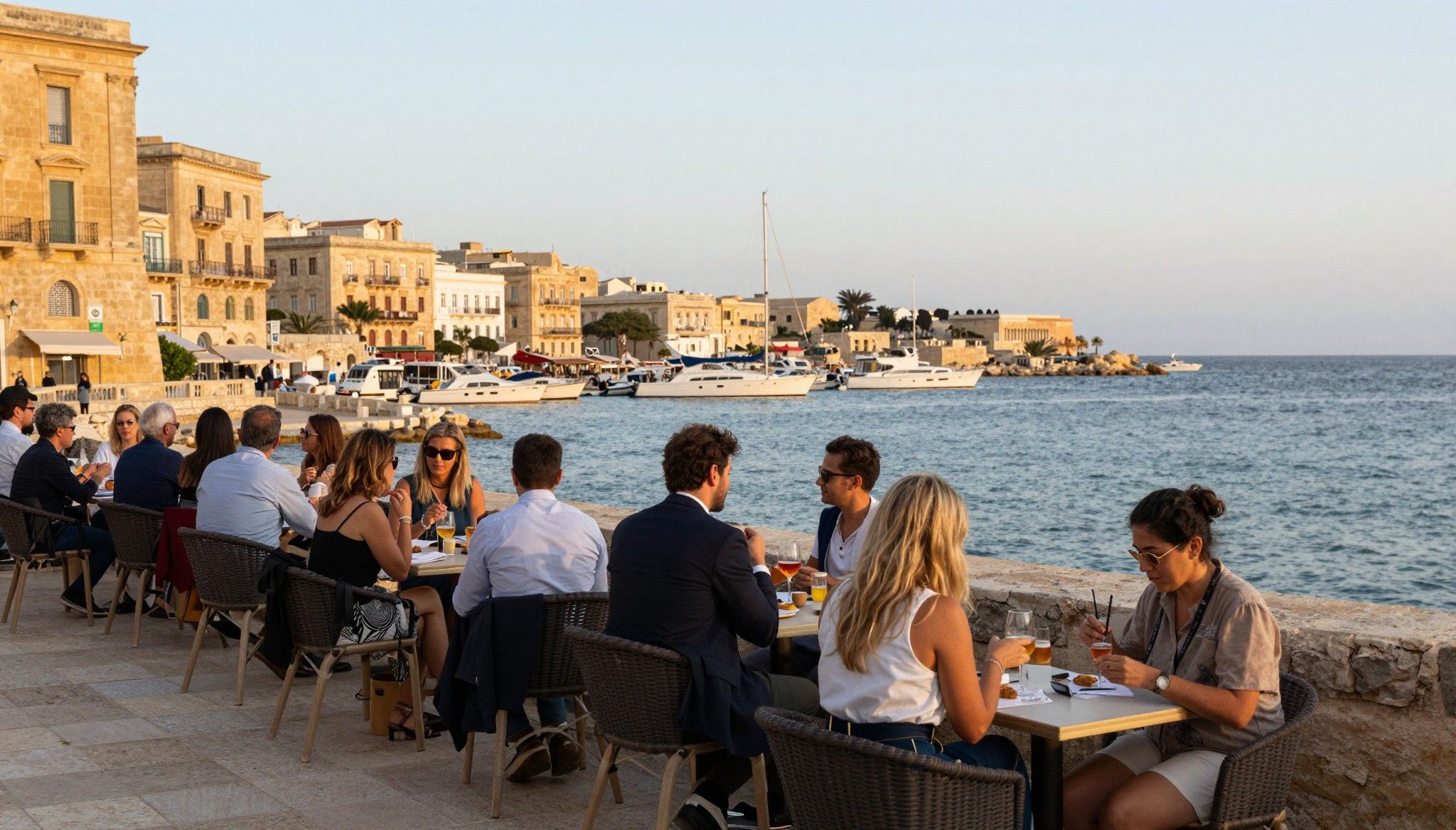
Valletta and Sliema are shorthand for prestige: classical facades, boutique restaurants and immediate access to ferries. Expect higher asking prices and rents here, but also a concentration of cultural amenities and concierge‑style services that support a certain way of living. For buyers who prize walkability and provenance, these neighbourhoods often justify the premium; for those who prioritise space, quieter inland towns like Żebbuġ or Naxxar provide better square‑metre economics without conceding community life. Local rental and cost data illuminate these trade‑offs in practical terms for incoming households.
Food, festas and the seasons that shape life
Food is a social ledger in Malta: fishermans’ stalls at Marsaxlokk on Sunday, neighbourhood pastizzi shared at bar counters, and summer festas that reorient the calendar. Seasonal life matters to cost: utilities and tourist‑era services fluctuate, and short‑term rental demand can inflate prices in summer months on the north coast. Living here means learning the local rhythm — when to buy fresh produce at the market, which cafés close for August, which streets pulse with evening life — and factoring those rhythms into household budgets and property choices.
Making the move: practical considerations
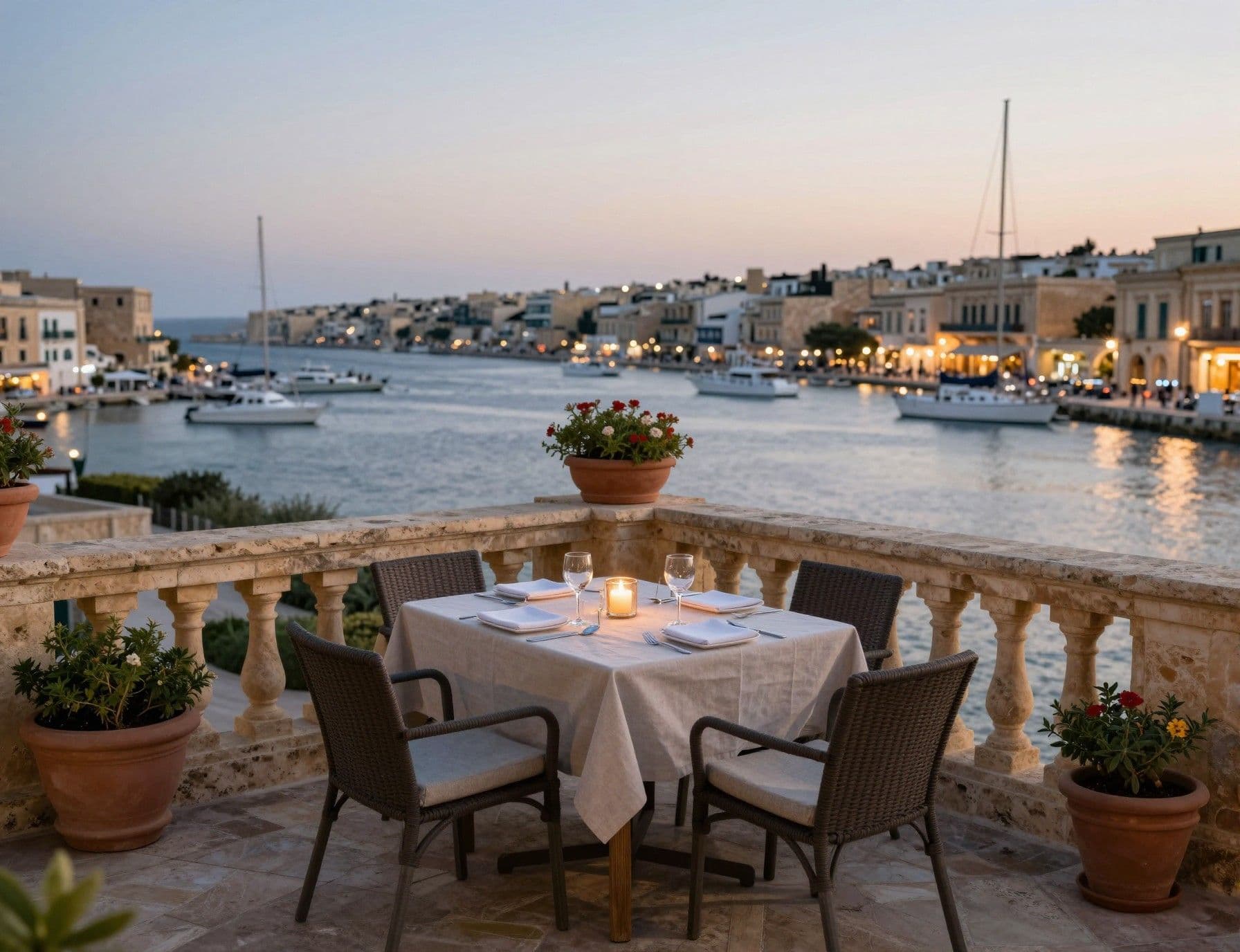
The dream of island life must be reconciled with recent market momentum: official indices show steady year‑on‑year house‑price growth, and central figures point to persistent demand. For an international buyer this means accepting a market where location premiums and limited supply drive prices more than building age or size. Local experts — agents, valuers and tax advisers — translate national indices into neighbourhood‑level expectation, turning abstract percentages into concrete budgets and negotiation strategy.
Property types and how they map to lifestyle
Historic townhouses and maisonettes offer provenance, thick limestone walls and generous terraces — qualities that speak to stewardship rather than quick yield. Apartments in new developments deliver convenience and predictable maintenance, but often lack the patina and ceiling heights that distinguish Maltese heritage properties. Buyers should choose property form according to daily rituals: cooks will prize courtyard kitchens and rooftop space, while those seeking a quiet study will value thicker walls and inner courtyards that buffer street life.
Working with local expertise
- 1. Commission a neighbourhood‑level valuation early: national indices mask micro divergences that affect price per square metre and future resale. 2. Insist on energy and structural reports for older limestone buildings; restoration costs for roofs and timber can be material. 3. Plan for stamp duty and transactional fees—stamp duty commonly applies to immovable transfers and needs exact calculation for your scenario. (See local tax notes.) 4. Discuss rental strategy only after assessing seasonality: some coastal apartments deliver high summer yield but poor winter occupancy.
Insider knowledge: what expats wish they'd known
Expats often speak of two surprises: first, how quickly neighbourhood identity asserts itself; second, how recurrent costs — utilities, maintenance, occasional remodelling for humidity — add to annual budgets. Language is rarely a barrier (English is official), but social integration depends on consistent local presence: regularing at the same café and sponsoring a local festa committee opens doors that agent introductions rarely do. Practicalities such as schooling, healthcare access and reliable domestic services shape long‑term satisfaction more than a transient sea view.
Cultural and seasonal realities
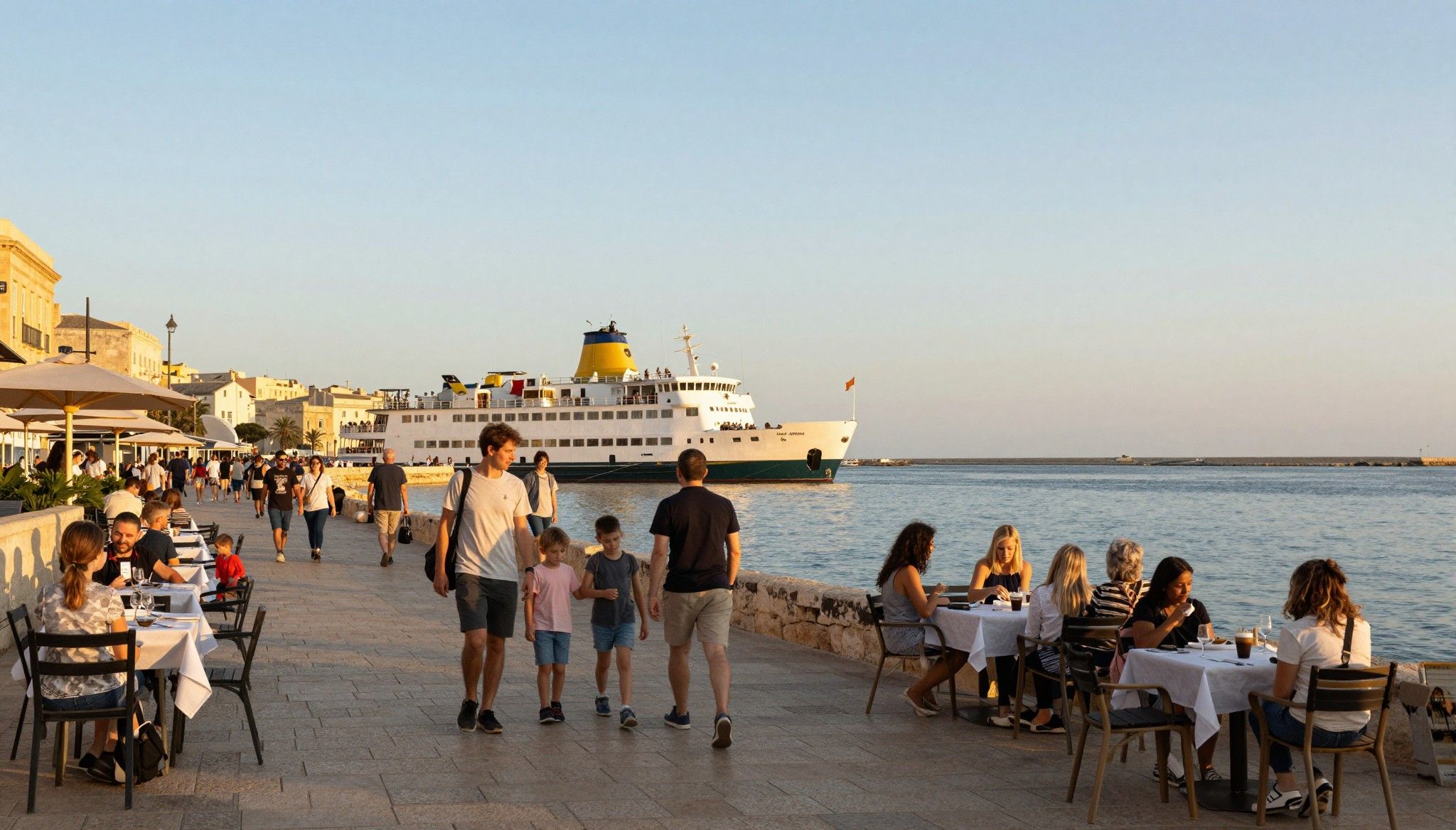
Summer towns become theatrical: narrow streets fill with passers‑by, restaurants expand tables onto pavements, and short‑term lets surge. Winters, by contrast, reveal the island’s quieter side, where community networks and regular markets sustain life and lower operating costs. Buyers who align their usage with seasonality — living in winter months and renting in summer, or choosing inland homes for full‑time residence — frequently report better value and less lifestyle friction.
- Practical red flags and real costs
• Hidden maintenance: older limestone properties often need roof, gutter and timber work that can be costly if deferred. • Short‑term rental volatility: coastal units show sharp seasonal income swings that complicate pro‑forma calculations. • Local planning nuances: permitted extensions and balconies depend on heritage rules; approvals can lengthen timelines. • Service reliability: while public transport is extensive, frequent travellers value proximity to ferries and harbours over nominal savings in commute time.
Long‑term view: stewardship, resale and legacy
Malta rewards buyers who think in decades. Well‑restored heritage homes in established quarters retain desirability; contemporary apartments may appreciate faster where new infrastructure arrives. The island’s limited land means scarcity is structural; this supports long‑term value but requires disciplined due diligence and a willingness to care for property as stewardship rather than speculation. For collectors and families, the intangible return — cultural life, walks by the sea, a named café where staff remember you — is often the decisive factor.
- 1. Start with lived priorities: list daily rituals (market, commute, school) and map them to three neighbourhoods. 2. Commission a micro‑market report and a condition survey before making offers. 3. If renting out, model conservative occupancy (40–60%) for coastal units outside peak months. 4. Work with an agency that demonstrates restoration and heritage knowledge, not just listings volume.
If Malta has a single appeal, it is the quality of ordinary days — long lunches at a neighbourhood trattoria, a harbour walk before dinner, the ease of running errands on foot. Pragmatic buyers who pair that aspiration with neighbourhood research, realistic budgeting and local expertise find that charm and value can coexist. The next step is precise: visit in the shoulder season, request neighbourhood comparables, and ask an agent to show three properties that match both the lifestyle vignette you love and a conservative cost model.
Having moved from Stockholm to Marbella in 2018, I help Scandinavian buyers navigate Spanish property law, restoration quality, and value through authentic provenance.