Malta: Lifestyle Costs, Neighbourhood Truths & Stewardship
Malta pairs compact Mediterranean living with rising demand; choose neighbourhoods for lifestyle, commission local expertise, and prioritise stewardship over speculation.
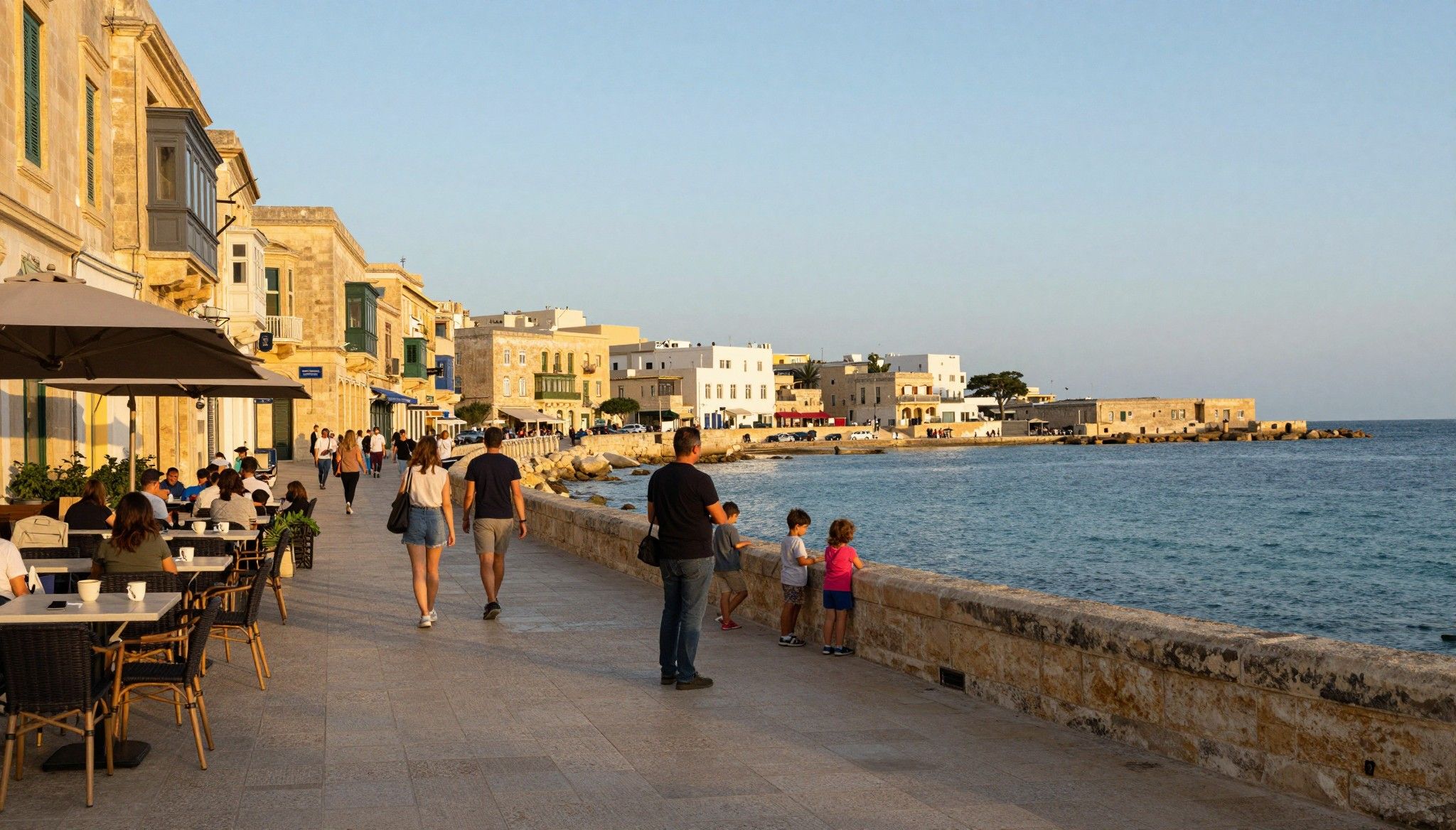
Imagine a late‑afternoon espresso on Triq ir‑Rota in Valletta, limestone warming underfoot while the harbour smells of sea and lemon. Malta is compact—its daily rhythms folded into narrow streets, sunlit terraces and neighbourhood cafés—but that compression gives life a particular intensity: festivals spill from piazzas, restaurant kitchens open late, and every neighbourhood is both lived in and curated. For international buyers the island’s romance—baroque facades, calcareous stucco, and a tempered Mediterranean pace—comes with practical realities: rising prices, short supply for larger homes, and neighbourhoods whose character alters with season and demand. This piece pairs those lived images with research and local insight so you can fall in love with Malta honestly and make choices that stand the test of time.
Living the Malta lifestyle
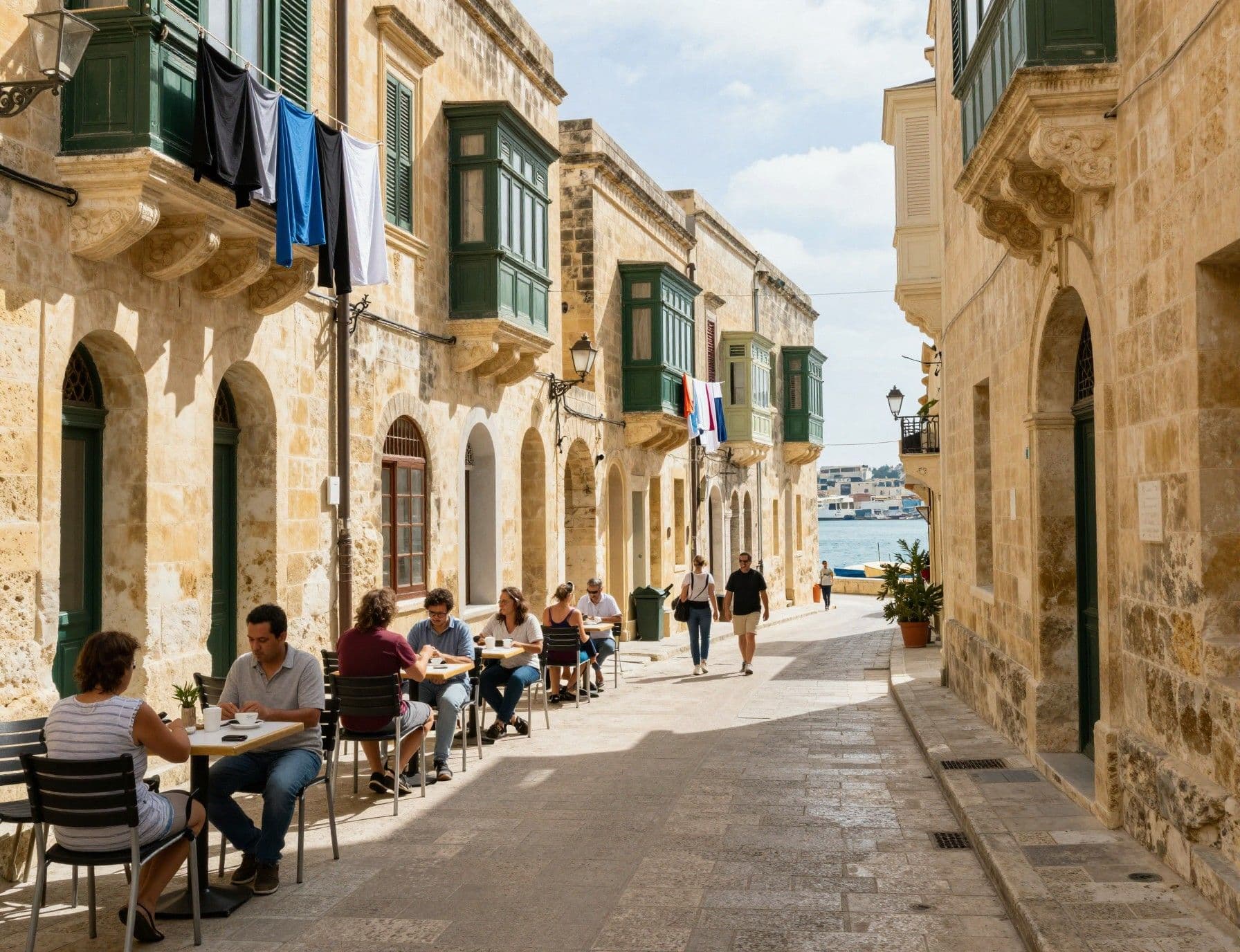
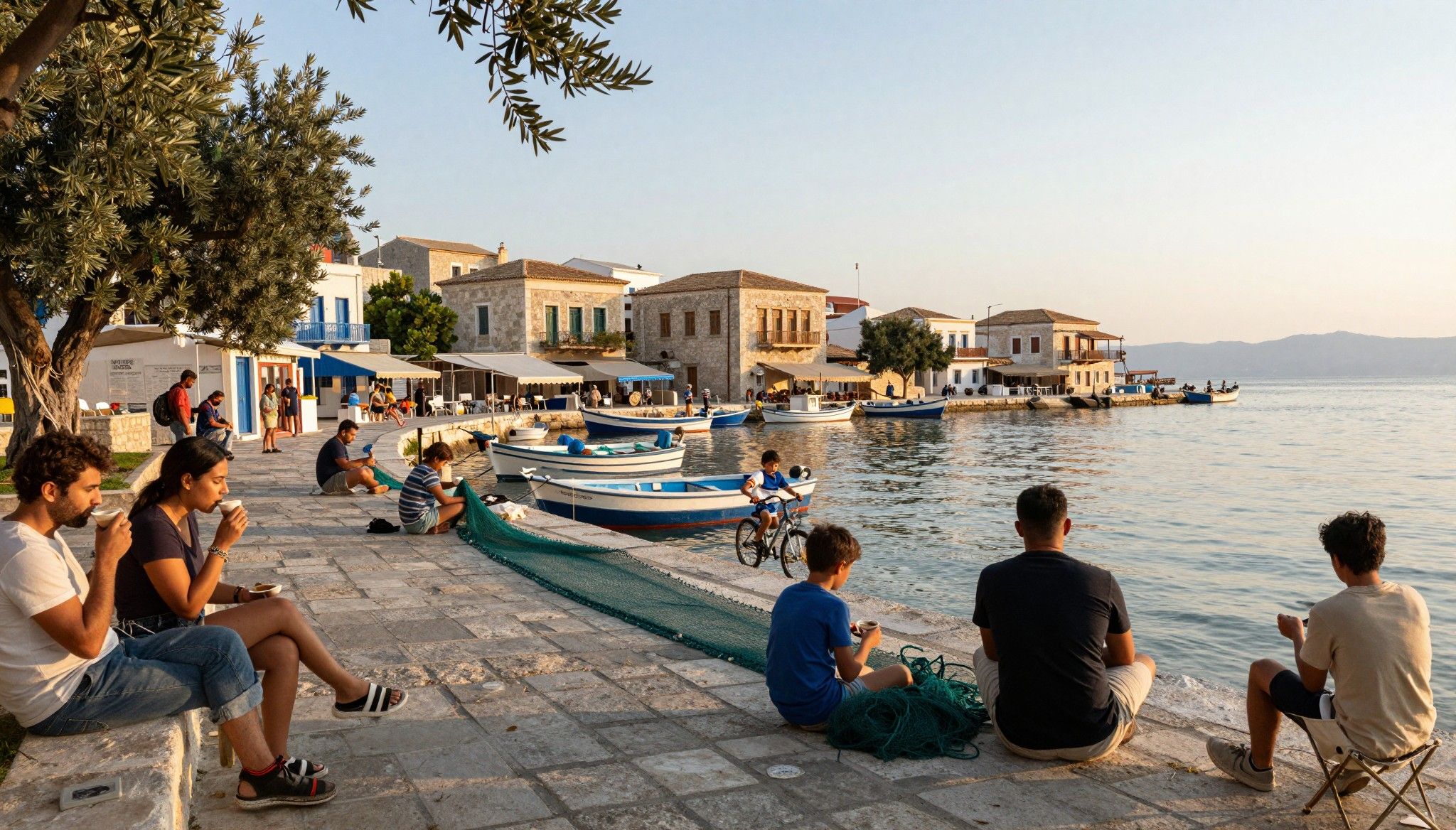
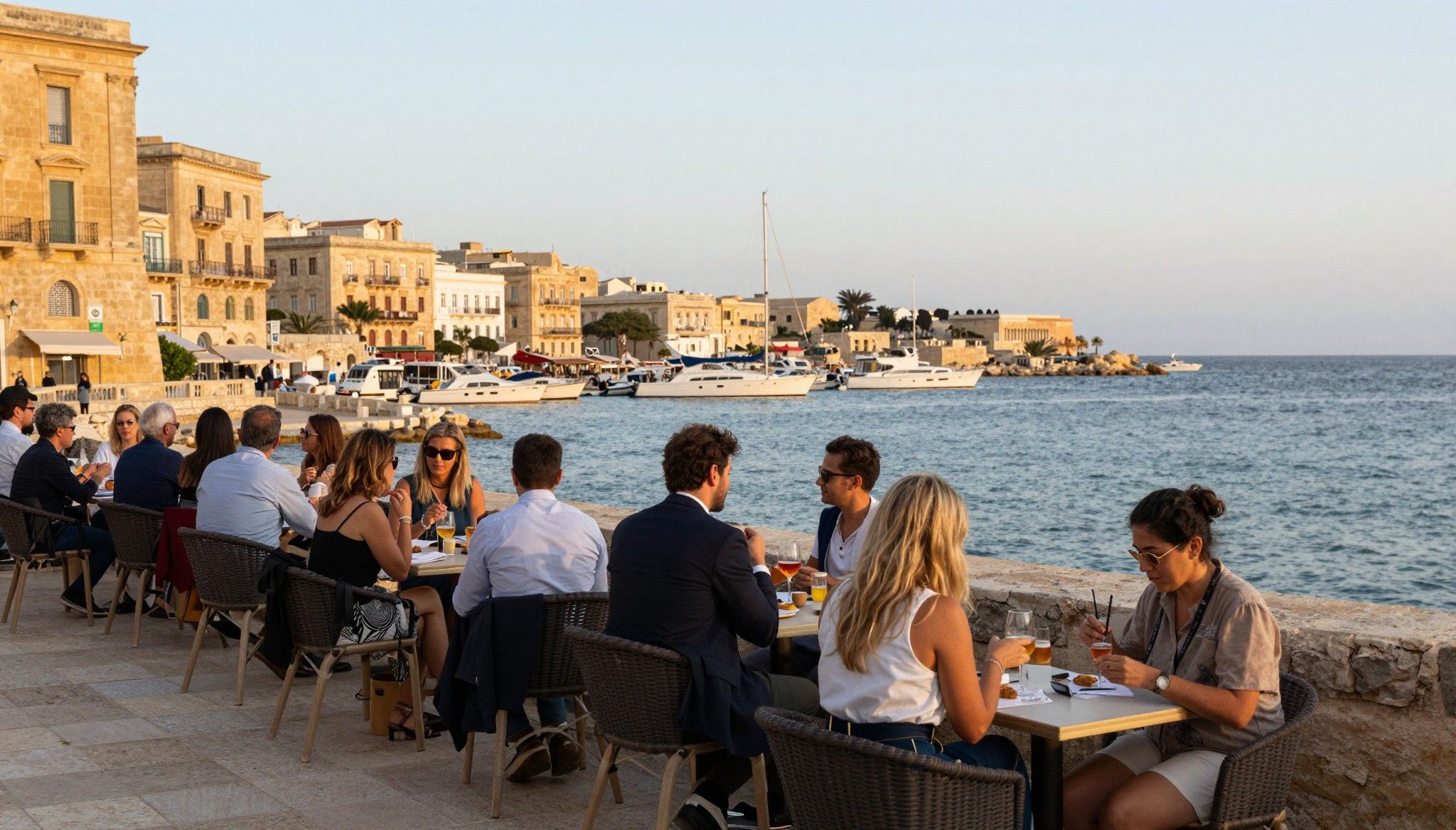
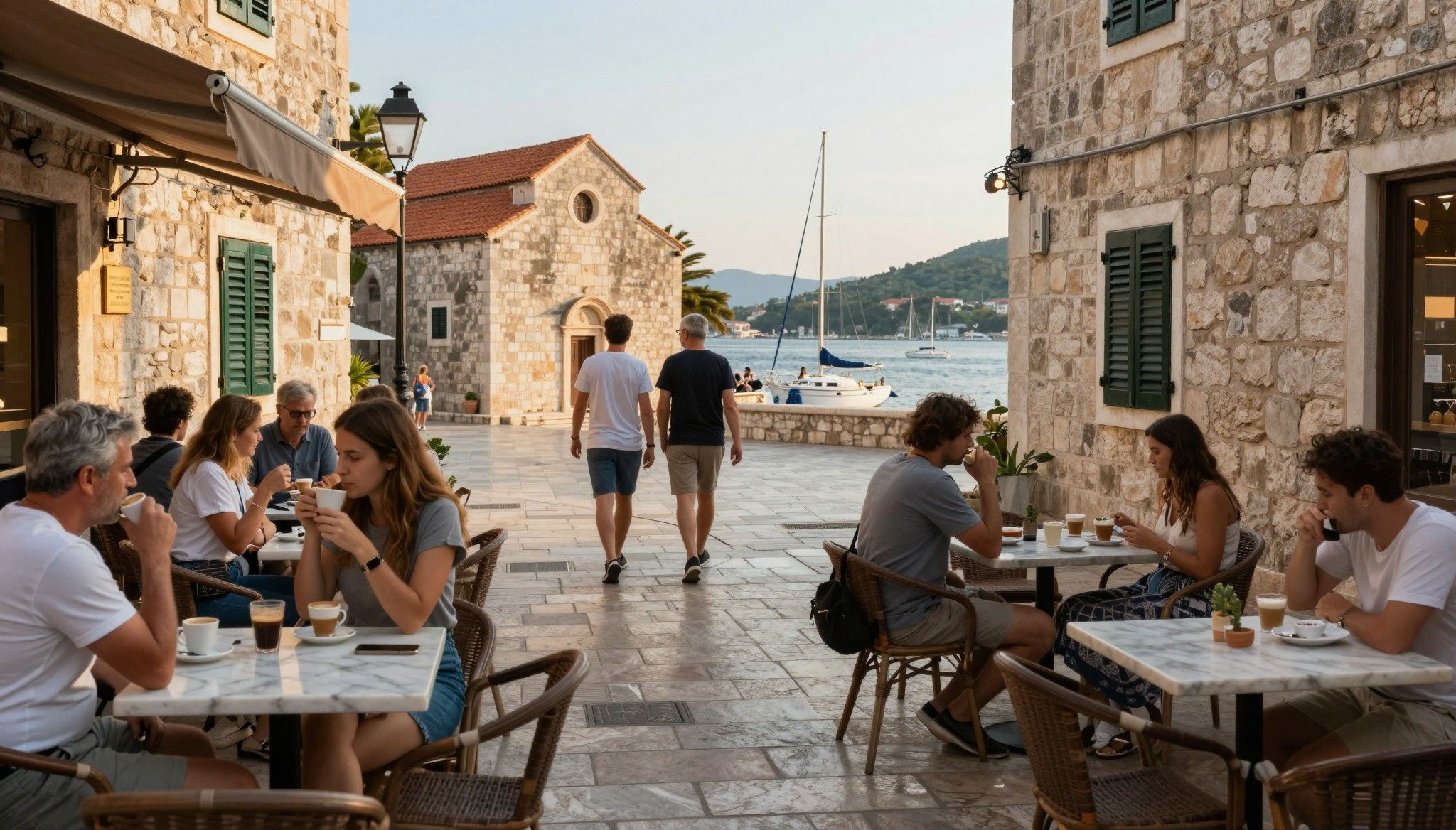
Daily life in Malta moves between sea and stone. Mornings begin in neighbourhood cafés—Sliema’s Strand for joggers, St Julian’s for a brisker tempo, and Mdina for a measured silence—then move to markets, offices and patios where lunch is often an unhurried affair. The climate rewards outdoor living: terraces are extensions of the home, limestone façades cool naturally in summer, and evenings are given to passeggiatas and small, convivial dinners. For buyers this means prioritising outdoor space, orientation and shade in the summer months, and considering how a property’s layout performs when the island is full with seasonal visitors.
Valletta and the Three Cities: history with theatre
Valletta is intimate, ceremonial, and relentlessly textured: coffered ceilings, carved stone balconies and narrow lanes that open unexpectedly onto water views. Nearby Vittoriosa and Senglea—together the Three Cities—offer a quieter, more lived‑in maritime atmosphere with working harbours and a stronger sense of neighbourhood continuity. Properties here reward a buyer who values provenance and restoration: period apartments and palazzini that have been sensitively refurbished are rare, and when available they combine craft detailing with surprisingly modern utility.
Sliema, St Julian’s and the coast: modern convenience, seaside pulse
Sliema and St Julian’s represent Malta’s contemporary face: promenades, international cafés, and apartment living with easy access to services. Buyers trading on convenience and rental flexibility will find this corridor practical; the trade‑off is that the neighbourhoods can feel transient during summer and offer less architectural pedigree than older towns. For long‑term living, look for blocks with thoughtful build quality and balconies that capture cross breezes—small design choices that markedly improve comfort in summer heat.
- Lifestyle highlights: morning markets in Marsaxlokk; aperitifs at Fort St. Elmo; weekend swims at Għajn Tuffieħa; Sunday brunches in Ta’ Xbiex; a clandestine bookshop in Valletta’s Strait Street; the Mdina Dusk concert series.
Making the move: practical considerations
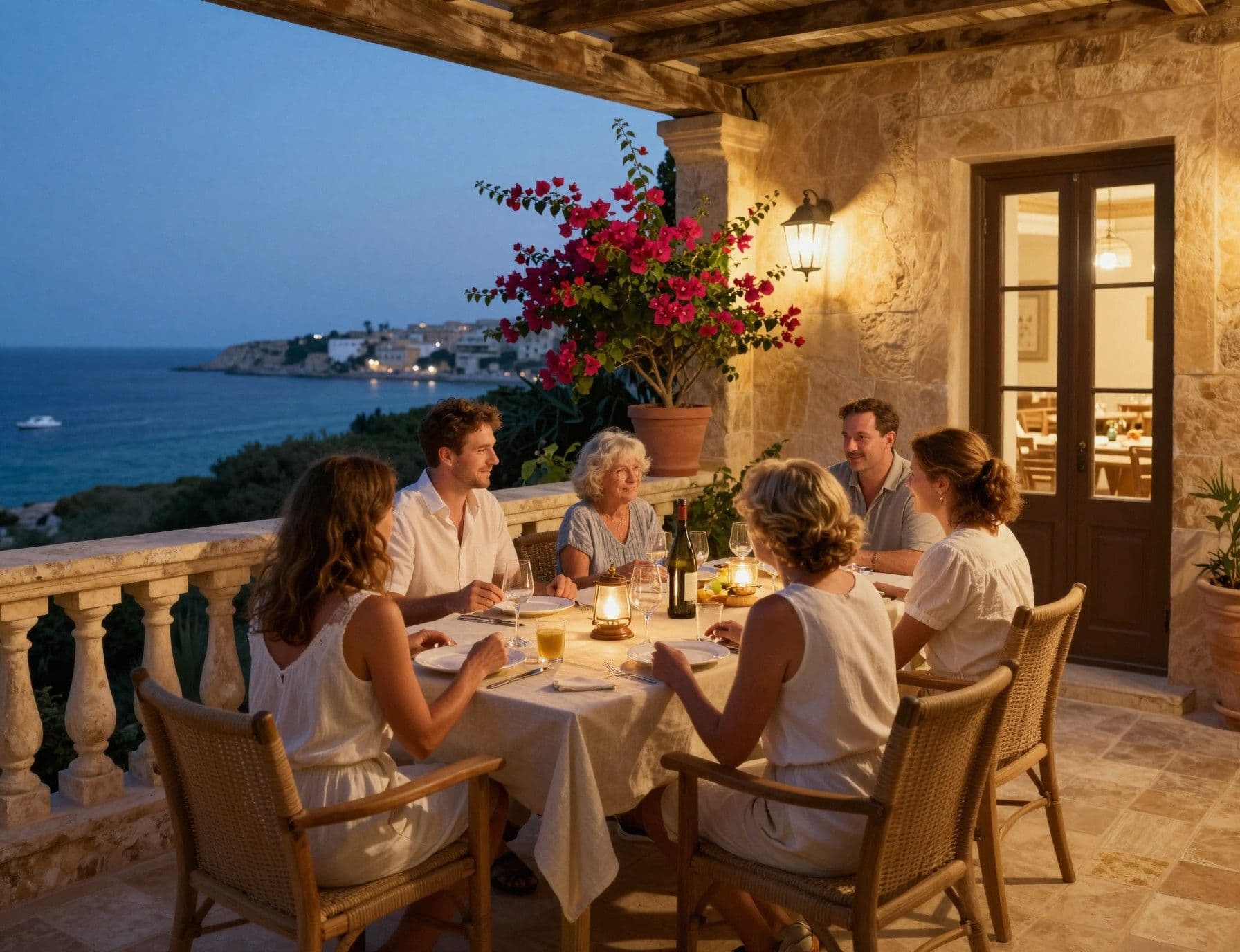
Romance must meet data. Malta’s Residential Property Price Index has shown steady growth in recent years, reflecting limited land supply and persistent demand—factors that tilt values upward especially for centrally located apartments and restored period homes. Industry reports note increased transaction volumes and rising rents, which makes the island attractive for buyers seeking both lifestyle and yield, but it also means acquiring desirable stock requires speed and local expertise. Understand where price growth is strongest and which neighbourhoods resist speculative spikes; recent NSO and industry reporting provide the figures you will want to review before committing.
Property styles and what they mean for living
Malta’s palette runs from small, high‑ceilinged Valletta apartments and maisonettes to modern blocks along the seafront and terraced houses in suburban localities. A maisonette or town house in an older quarter carries charm—thick walls, original stonework and often modest outdoor space—while newer developments trade finish and amenities for lighter interiors and terraces. For those prioritising lifestyle, think beyond square metres: a modestly sized apartment with a sheltered terrace and a short walk to cafés will often deliver a richer daily life than a larger property tucked away from community life.
Working with local experts who know the island
- 1. Engage an agent with restoration and neighbourhood knowledge who can identify off‑market palazzini and maisonettes that suit long‑term living. 2. Commission a local architect or surveyor early—stone properties often conceal damp or structural issues tied to original detailing. 3. Ask for running‑cost histories from vendors (electricity, water, communal maintenance) rather than relying on averages. 4. Check rental demand and occupancy seasonality if you plan to rent; coastal short‑term demand fluctuates with tourism cycles. 5. Clarify residency or permit requirements if you want a longer stay; program rules and thresholds have evolved recently.
Insider knowledge: what expats wish they’d known
Three candid observations from residents: first, neighbourhoods are distinct micro‑markets—price differentials of fifty per cent or more are not uncommon between neighbouring localities. Second, routine costs—utilities, standing charges and modest maintenance—matter in aggregate, and a well‑insulated, well‑oriented property saves both money and comfort. Third, integration into community life often depends on modest rituals: regular café attendance, local markets, and participation in festas establish friends faster than any digital forum.
Cultural integration and daily social cues
English is an official language, which eases administrative steps and daily life; Maltese is the shared vernacular that signals local affinity when used with neighbours. Expect a slower tempo in public offices and a lively social calendar of festas and community events that shape weekends. For buyers this means choosing neighbourhoods where you see the kind of social life you want—quiet streets that value privacy, or active quarters where cafés and piazzas matter.
Long‑term stewardship and evolving neighbourhoods
Malta’s market is maturing: institutional reporting points to steady transaction volumes and incremental price growth, and planning policy debates increasingly influence where new supply may appear. For buyers who care about legacy, consider how a property ages—seek craftsmanship, durable materials and neighbours who respect the built fabric. The most durable investments on the islands are those combining provenance, location and thoughtful restoration rather than speculative, volume‑led new build.
- Red flags and fine print: watch for high communal charges in new developments; unclear historic‑building permissions; overly optimistic rental yield projections; properties with unresolved service‑of‑works; and agents who resist third‑party surveys.
- 1. Visit in two seasons: late spring and mid‑winter to feel how the light, winds and community rhythm change. 2. Commission a structural and humidity survey before signing. 3. Insist on a transparent breakdown of running costs and any outstanding works. 4. Verify planning consents and any façade or conservation obligations with local authorities. 5. Negotiate a short cooling period in the contract to secure time for independent checks.
Conclusion: the life you buy and the life you will live
Malta rewards buyers who prioritise lived experience and careful stewardship. The island’s architectural richness and concentrated cultural life offer an exceptional day‑to‑day quality of living, while market data from the National Statistics Office and industry surveys remind us that supply constraints and rising prices are meaningful. Move with a local team that understands neighbourhood micro‑markets, commission rigorous surveys, and choose a property whose materials and scale align with how you wish to live. When done well, buying in Malta is less a transaction than an act of custodianship—of stone, terrace and the small rituals that make a place yours.
Former Copenhagen architect who relocated to Provence, offering relocation services, market analysis, and a curator’s eye for authentic regional design.