Malta: Expensive, Not Where You Think
Malta’s headline ‘expensive’ label hides nuance: central promenades and short‑let hotspots drive premiums, while quieter villages and restored maisonettes offer genuine lifestyle value.
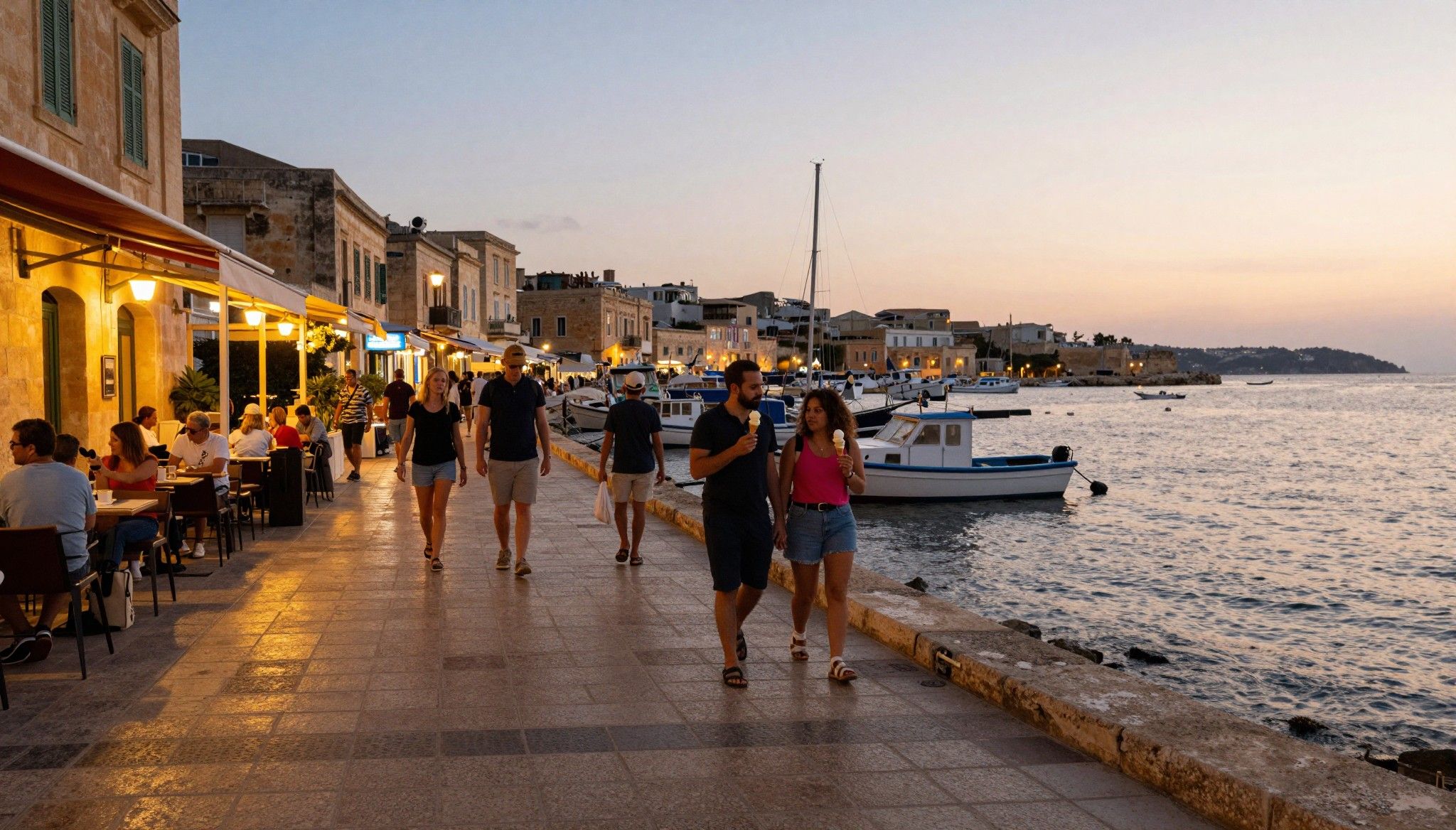
Imagine waking to the scent of freshly baked pastizzi on Strait Street, then walking to a cliff-top terrace where the sea and sunlight make every simple breakfast feel like an occasion. Malta seduces you with intimacy: narrow limestone lanes, café conversations in English and Maltese, and a coastline that feels both domestic and cinematic. Yet many international buyers arrive with one concern—Malta is “expensive.” The truth is more nuanced: price pressure is real, but it is concentrated and avoidable if you understand where value hides and how living costs map to lifestyle.
Living the Malta life
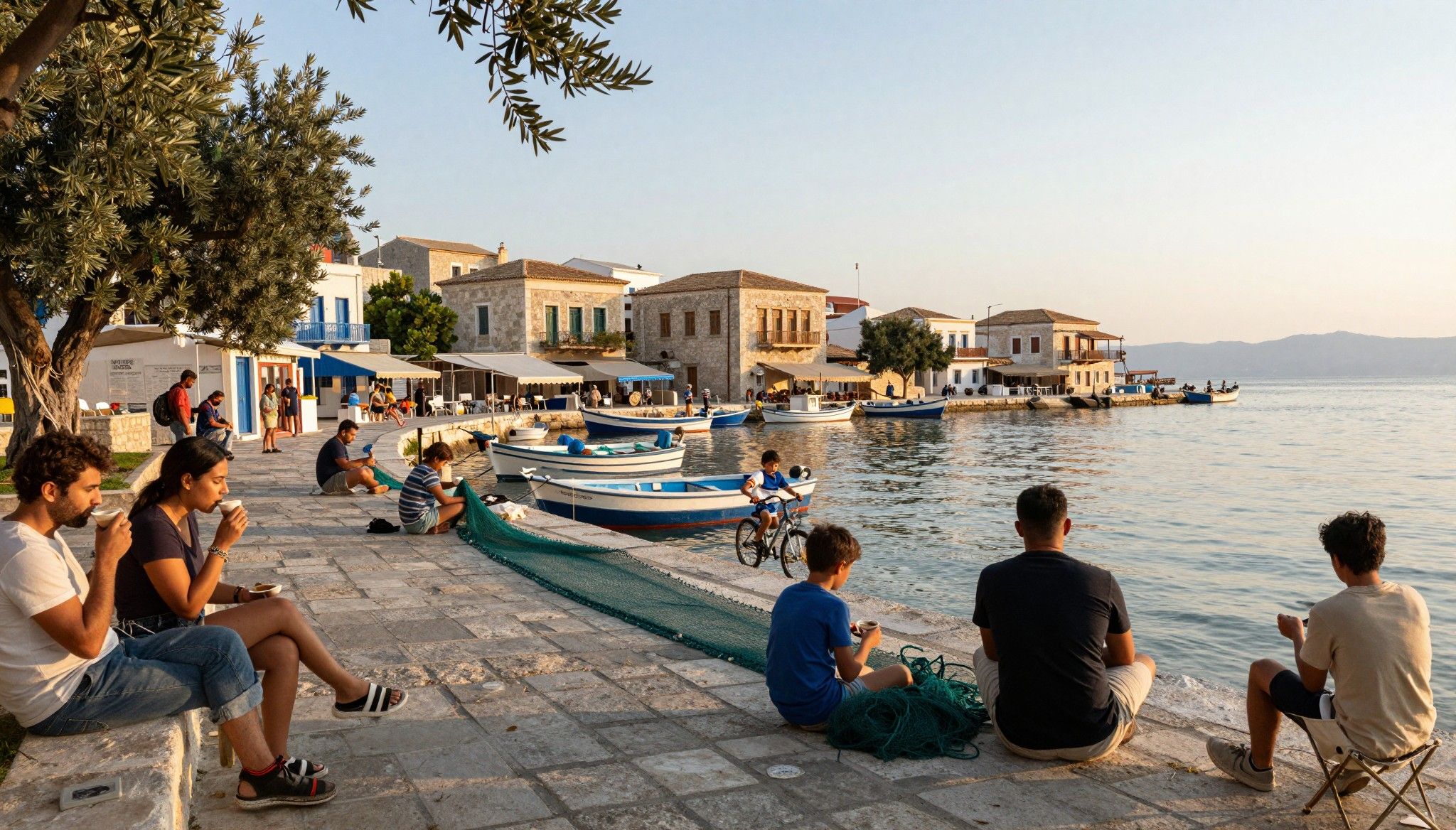
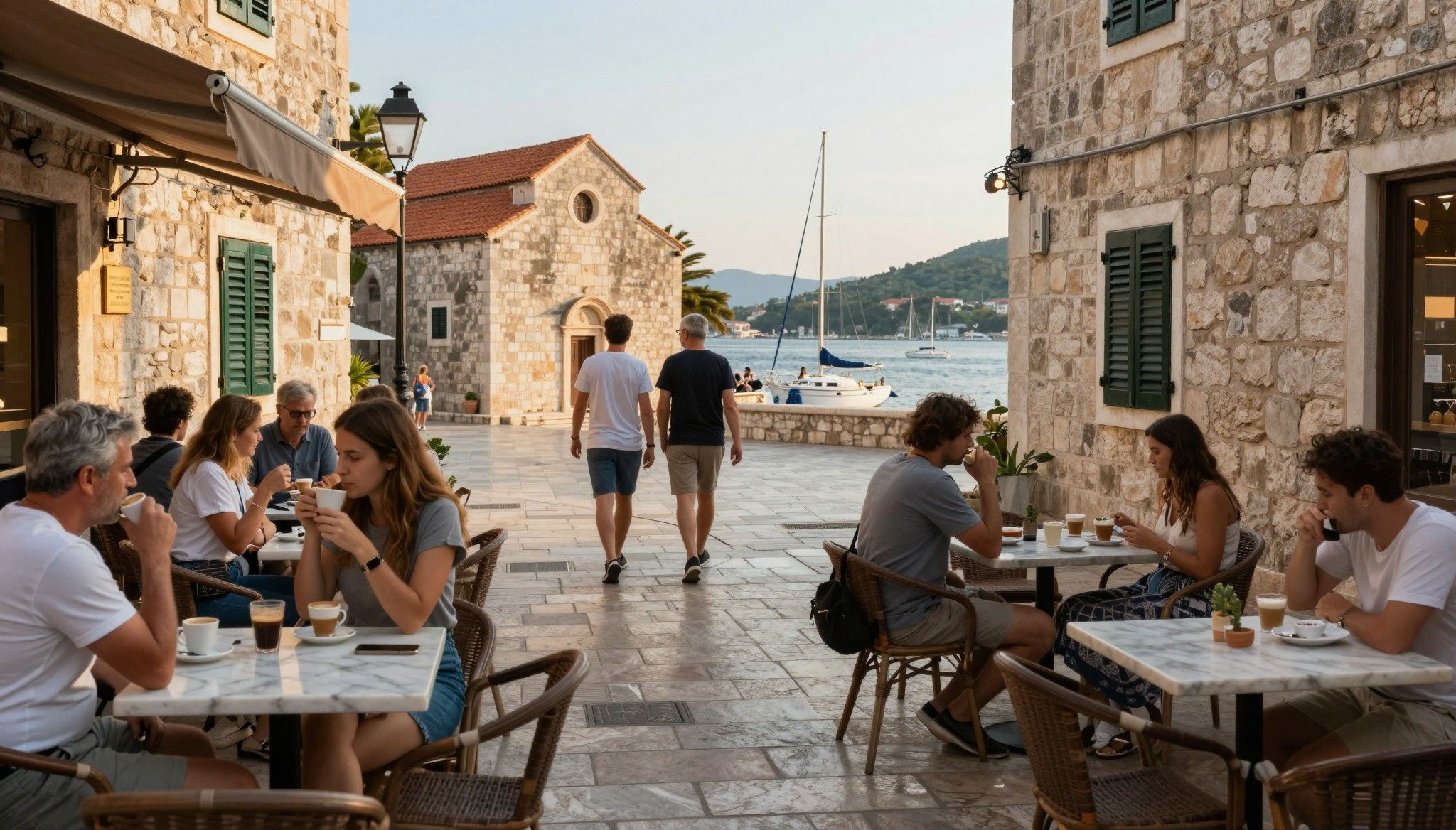
Daily life in Malta is compact and tactile. Streets are measured in minutes rather than kilometres; historic Valletta offers baroque façades and evenings in narrow piazzas, while Sliema and St Julian’s provide a busier, cosmopolitan rhythm. Apartments and maisonettes dominate the housing stock—about two-thirds of dwellings—so terrace life and vertical living are the norm rather than the exception. That density shapes both lifestyle and cost: meals, transport and heating costs are lower than countries where long commutes are required, but prime central addresses attract a premium. (See NSO housing data.)
Historic core: Valletta and the Three Cities
Valletta is an architectural compact—grand thresholds, carved balconies, and short walks to theatres, museums and cafés. The Three Cities—Birgu, Senglea and Cospicua—offer a quieter, maritime authenticity: restored palazzos, narrow alleys and harbour views. These are neighbourhoods for those who prize provenance and are willing to pay for it—properties here often carry the highest per-square-metre values because they deliver immediate cultural capital and a walkable life.
Coast and suburb: Sliema, St Julian’s, Mellieħa
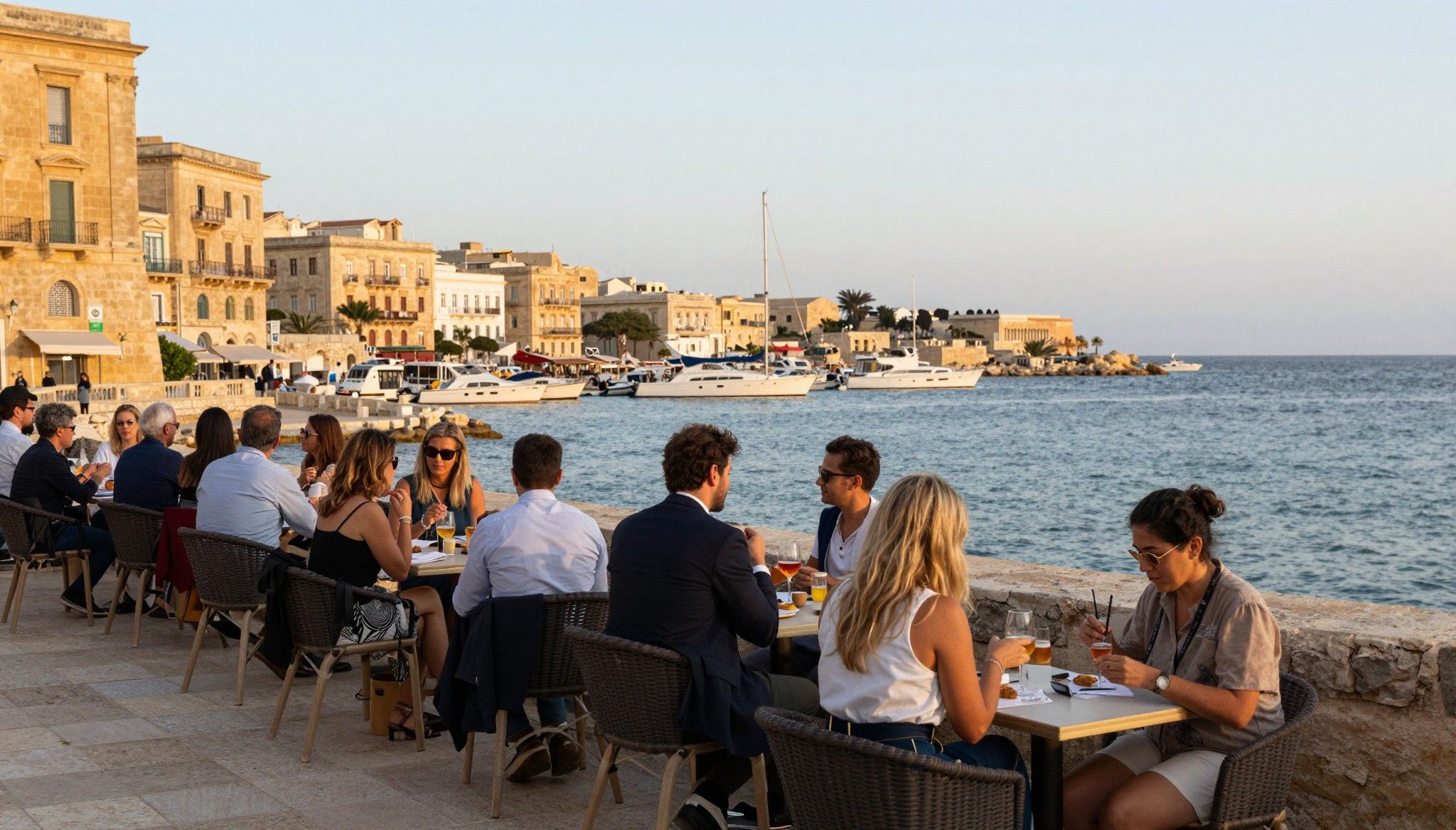
Sliema and St Julian’s combine seaside promenades, café life and the highest concentration of short‑lets and international services. Mellieħa and the northern coast trade proximity to sand and open sea for calmer, family-oriented living. Cost-of-living indices place Valletta and the main coastal towns higher than interior villages—Numbeo’s recent updates show Valletta among the more expensive urban centres in the region—so your lifestyle choice directly alters monthly outgoings.
- Lifestyle highlights
- Morning coffee at Caffè Cordina in Valletta; a lunchtime swim off Għajn Tuffieħa; aperitifs on Sliema promenade; weekend produce from Marsaxlokk market; a Sunday concert in Manoel Theatre.
Making the move: lifestyle meets costs
If lifestyle is the reason you come, costs are the reason you stay or leave. Malta’s Residential Property Price Index shows continued growth in prime zones, but that rise is uneven. Understanding which neighbourhoods carry the premium—and why—lets a buyer align daily life with sensible spending. Think of living costs as a map: transport and fuel are modest because distances are short; groceries and dining reflect Mediterranean supply chains; housing and short‑let pressure explain much of the headline ‘expensive’ narrative. (Market detail from local reports.)
Property types and what they cost you
Apartments, maisonettes and terraced houses dominate. New build seafront apartments command higher asking prices per square metre, but older maisonettes inland often deliver the same lifestyle for notably less. Renovation-friendly traditional units—those with timber beams, limestone façades and original shutters—are where craftsmanship and value converge. If you prioritise terraces, choose a quieter village rather than a central promenade to retain outdoor life without the premium.
Working with local experts
A local agency does more than show homes; it decodes micro-neighbourhood differences—where street noise spikes, which terraces face prevailing winds, and where short‑let demand inflates rents. Choose agents who demonstrate provenance knowledge (historic fabric, restoration quality) and who can model living costs rather than simply quoting asking prices. They should link lifestyle choices—schools, marinas, market proximity—to the recurring costs you will carry.
- Practical lifestyle + cost checklist
- Decide where weekdays are spent (work, coast, historic core) and budget for commuting or parking accordingly.
- Match property type to seasonality: choose insulated, thicker-walled houses if you prize winter comfort; choose terraces and cross-ventilation for summer living.
- Factor in short‑let demand: high-demand streets raise maintenance and neighbour-management costs and may alter long‑term community feel.
Insider knowledge: expat truths and red flags
Expat life in Malta is social by design and quiet in ways you do not expect. Neighbours trade recipes, not just small talk. But newcomers often misread a property’s outward charm for long‑term comfort: poor insulation, noisy weekends on promenades, or maintenance demands on older stone homes. Experienced residents advise patience—rent in a neighbourhood for several months before buying to judge traffic, sunlight and services.
Cultural integration and everyday costs
English is an official language and social life is approachable, yet certain local habits influence costs: family-owned shops favour cash and local suppliers, while festivals and festas punctuate months with extra hospitality spending. Political and regulatory changes—recently visible in rulings about citizenship-by-investment schemes—can alter the premium paid for certain residency-linked properties, so follow policy shifts that affect international demand.
Long-term living: what grows in value
Historically, homes that respect local fabric—stonework, proportioned rooms, traditional shutters—retain desirability. Demand for well-restored traditional homes and tastefully integrated modern interventions remains steady. For buyers seeking durable value, prioritise craftsmanship and location over trend-led finishes.
- Red flags to watch
- Unresolved structural damp in old stone houses; properties adjacent to licensed short‑let buildings; unclear service charge provisions for communal staircases and lifts; listings without paperwork for permitted terraces or extensions.
Conclusion: Malta’s cost story is precise, not monolithic. Yes, headline prices are high in coveted promenades and historic cores, but the island’s compactness, variety of neighbourhood characters and abundance of heritage properties mean you can purchase a genuinely Mediterranean lifestyle without overpaying—if you know where to look. Start by renting in a preferred quarter, enlist a local agency versed in provenance and living costs, and prioritise craftsmanship over showy finishes. The result is not merely a property purchase but the purchase of a particular Maltese day: morning light on limestone, slow markets, and an evening walk to a favourite café.
Former Copenhagen architect who relocated to Provence, offering relocation services, market analysis, and a curator’s eye for authentic regional design.