Malta: Lifestyle Costs, Neighbourhood Truths & Next Steps
A sensory tour of Malta’s neighbourhoods paired with actionable cost- and market-focused steps; balance lifestyle desires with recent price data and local know-how.
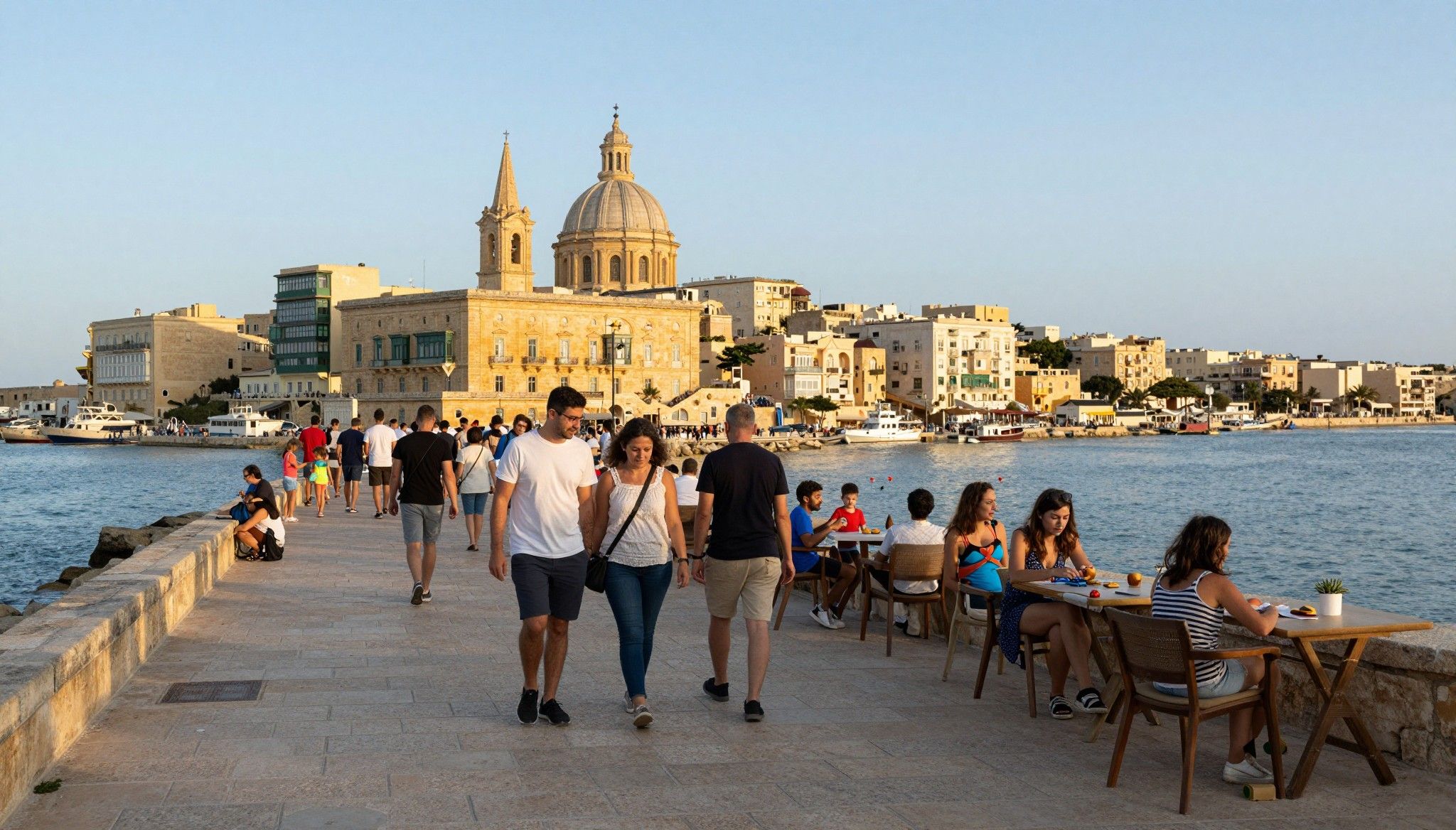
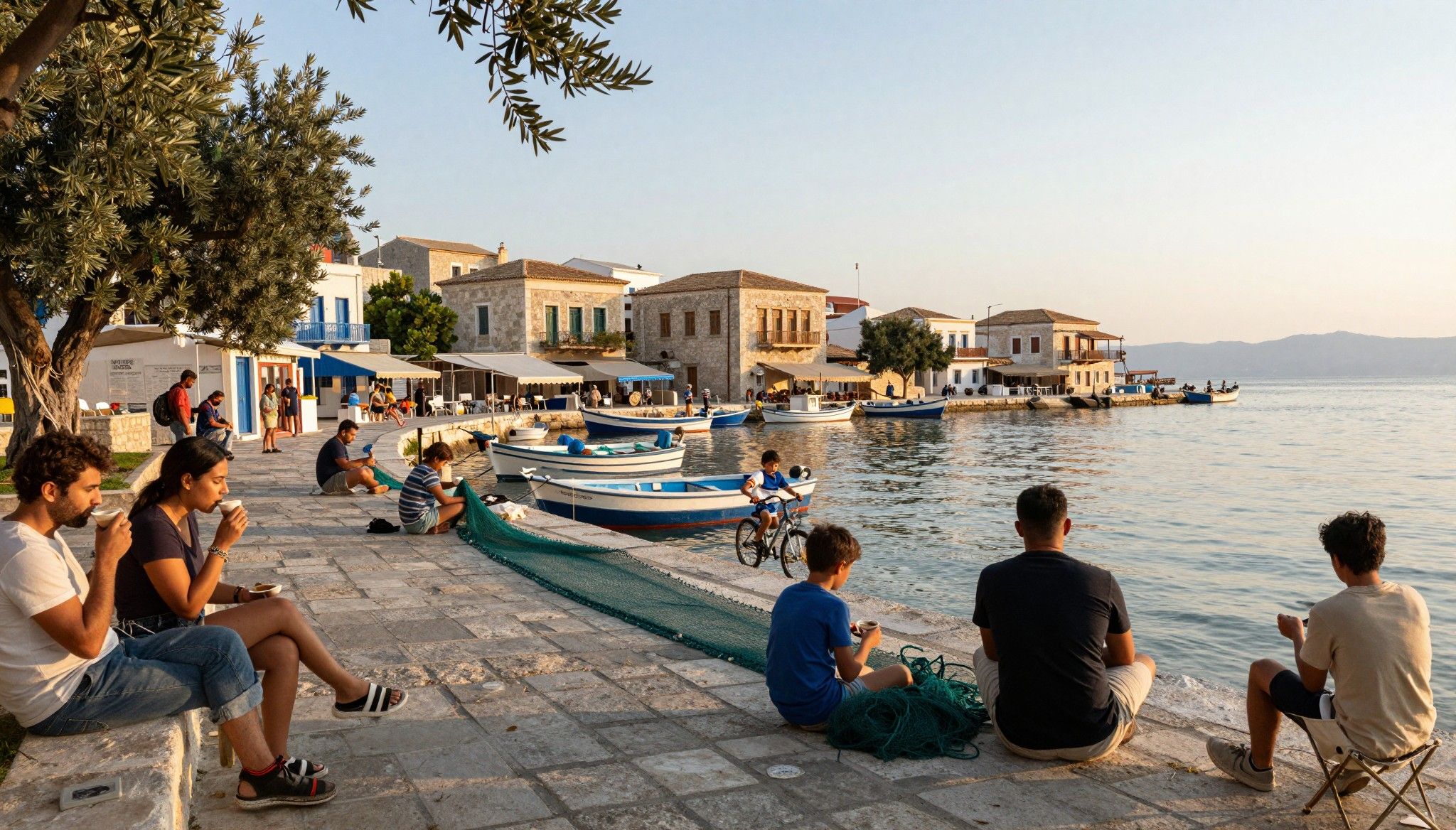
Imagine the low, ochre façades of Valletta at dawn: shutters opening, the smell of espresso from a corner café on Strait Street, delivery bikes threading narrow lanes. In Malta the day begins small and precise — neighbourhood cafés, fishermen’s chatter at Marsaxlokk, families gathering for late Sunday lunch in Mellieħa — and that texture of daily life is why buyers arrive with hearts already half-sold. Yet desire meets a compact market: prices have risen steadily in recent years, and choosing where to anchor your life here requires both affection and arithmetic. This piece pairs the lived pleasures of Malta with the precise cost signals international buyers should care about.
Living the Malta Life
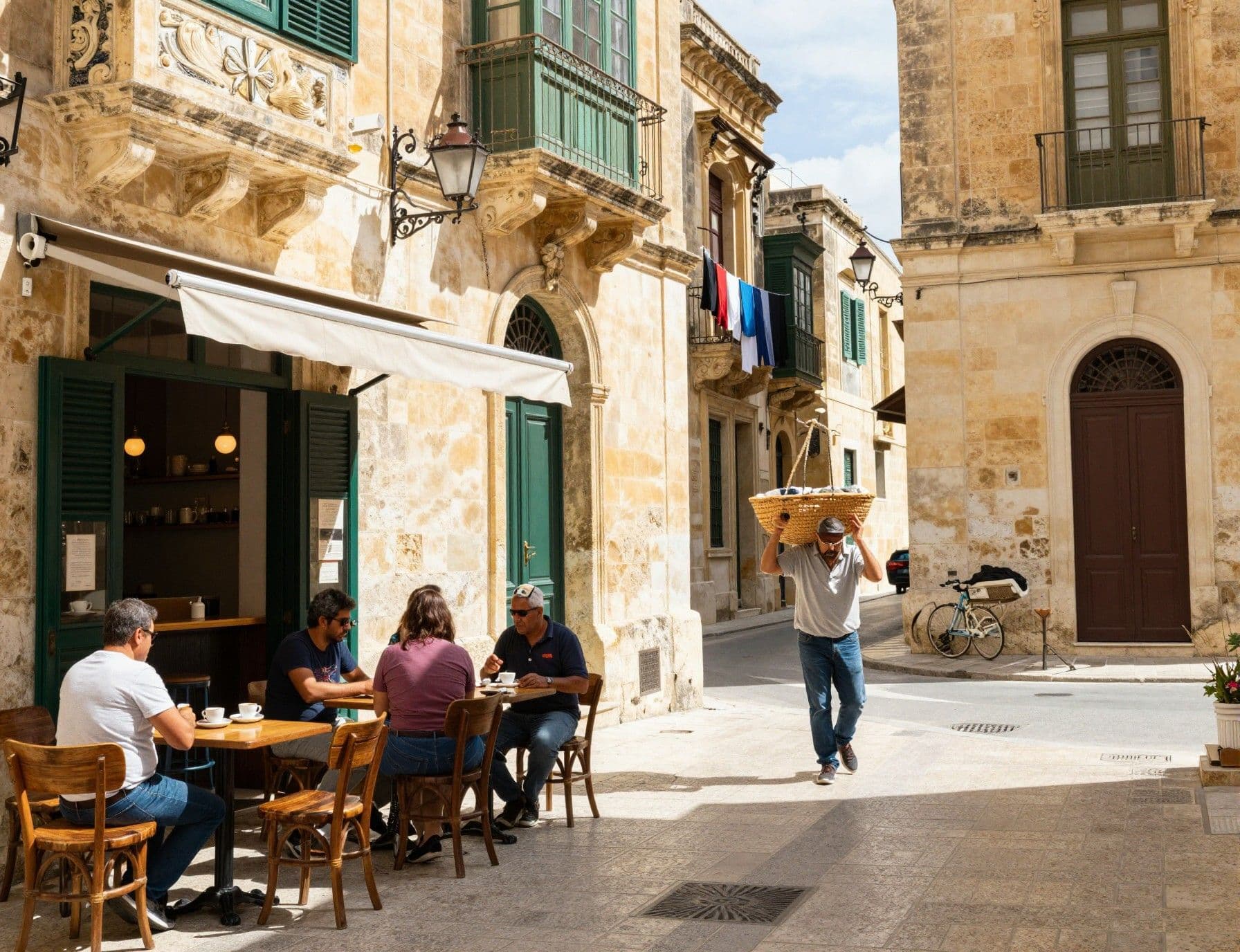
Living in Malta is an exercise in compact pleasures: a sea-switched commute, a terraced apartment with limestone walls, and evenings spent beneath laundry lines that frame a sky the colour of washed copper. Valletta and the Three Cities keep history at your doorstep; Sliema and St Julian’s trade in modern cafés and the convenience of a short walk to the promenade; Gozo offers a slower, rural cadence and larger plots. For many internationals the choice is not only geography but tempo — whether you prefer the bright immediacy of waterfront promenades or the quieter dignity of a restored townhouse tucked into a village square. Recent indicators show residential prices rising, making neighbourhood selection crucial for both lifestyle fit and long-term stewardship.
Valletta & The Three Cities: History as daily backdrop
Walkable, formal and quietly theatrical, Valletta rewards slow mornings and curated weekends. Here, a restored 18th-century townhouse with deep sash windows and original moldings will feel like living inside a museum that is also a neighbourhood. Nearby, the Three Cities — Senglea, Cospicua and Vittoriosa — offer harbourside workshops, fishermen’s cafés in Kalkara, and an intimacy that larger towns lack. If your life values provenance and architectural detail, these districts deliver a daily vocabulary of stone, forged ironwork, and civic history.
Sliema, St Julian’s & Pembroke: Contemporary convenience
If morning espresso, international restaurants and a brisk waterfront walk matter, these neighbourhoods are practical choices. Apartments and modern conversions predominate; terraces and seafront views command a premium. For professionals who work remotely or commute to the financial services hubs, broadband, co-working spaces and international schooling options are more accessible here. The trade-off is density: traffic and tourist season pulse more strongly, so consider orientation, soundproofing and outdoor space when comparing listings.
- Lifestyle highlights to look for on the ground
- Morning espresso ritual on Strait Street (Valletta) or the Sliema promenade
- Sunday fish market at Marsaxlokk for morning walks and seafood
- Gozo weekends: wider terraces, slower pace and larger gardens
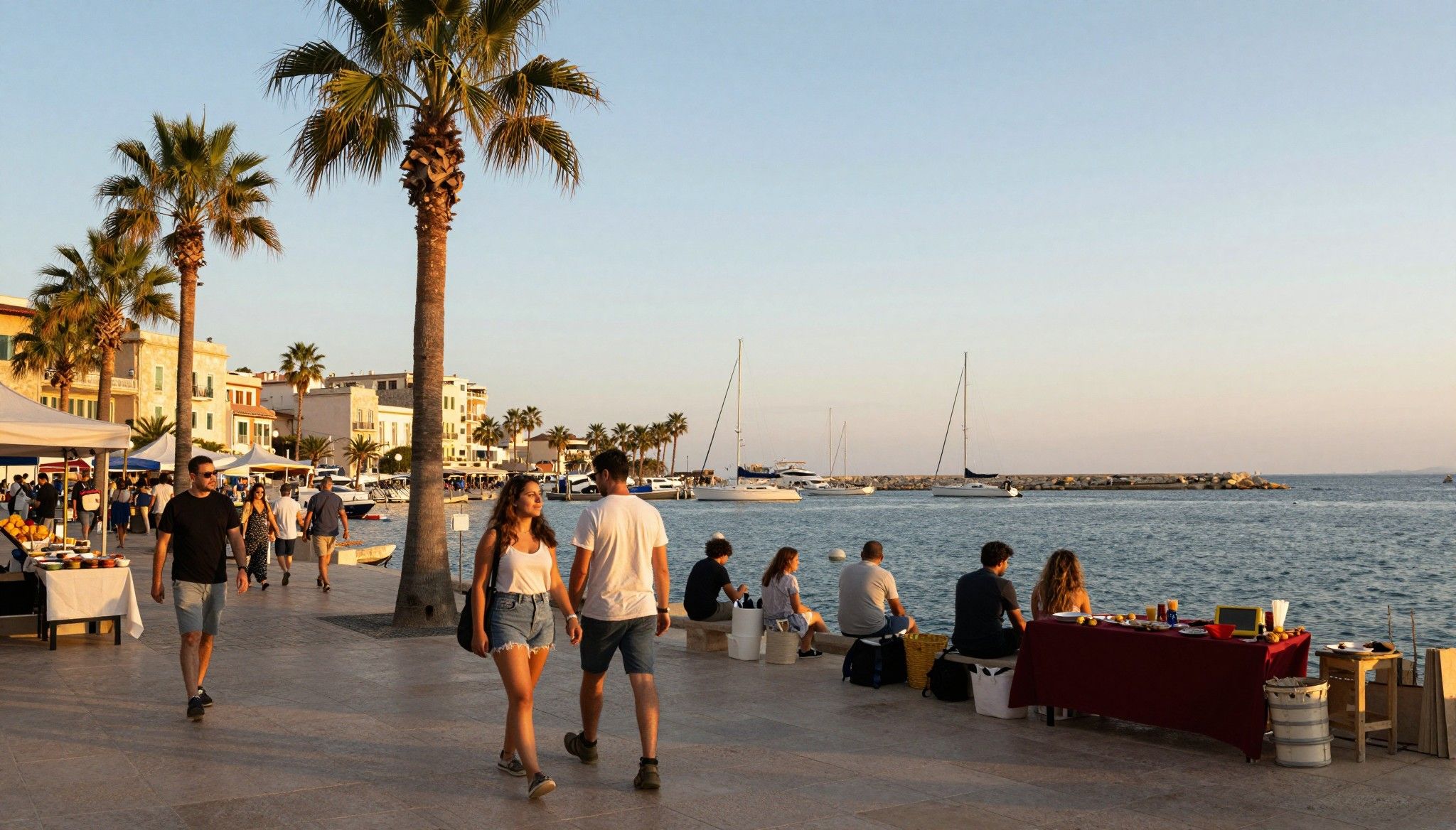
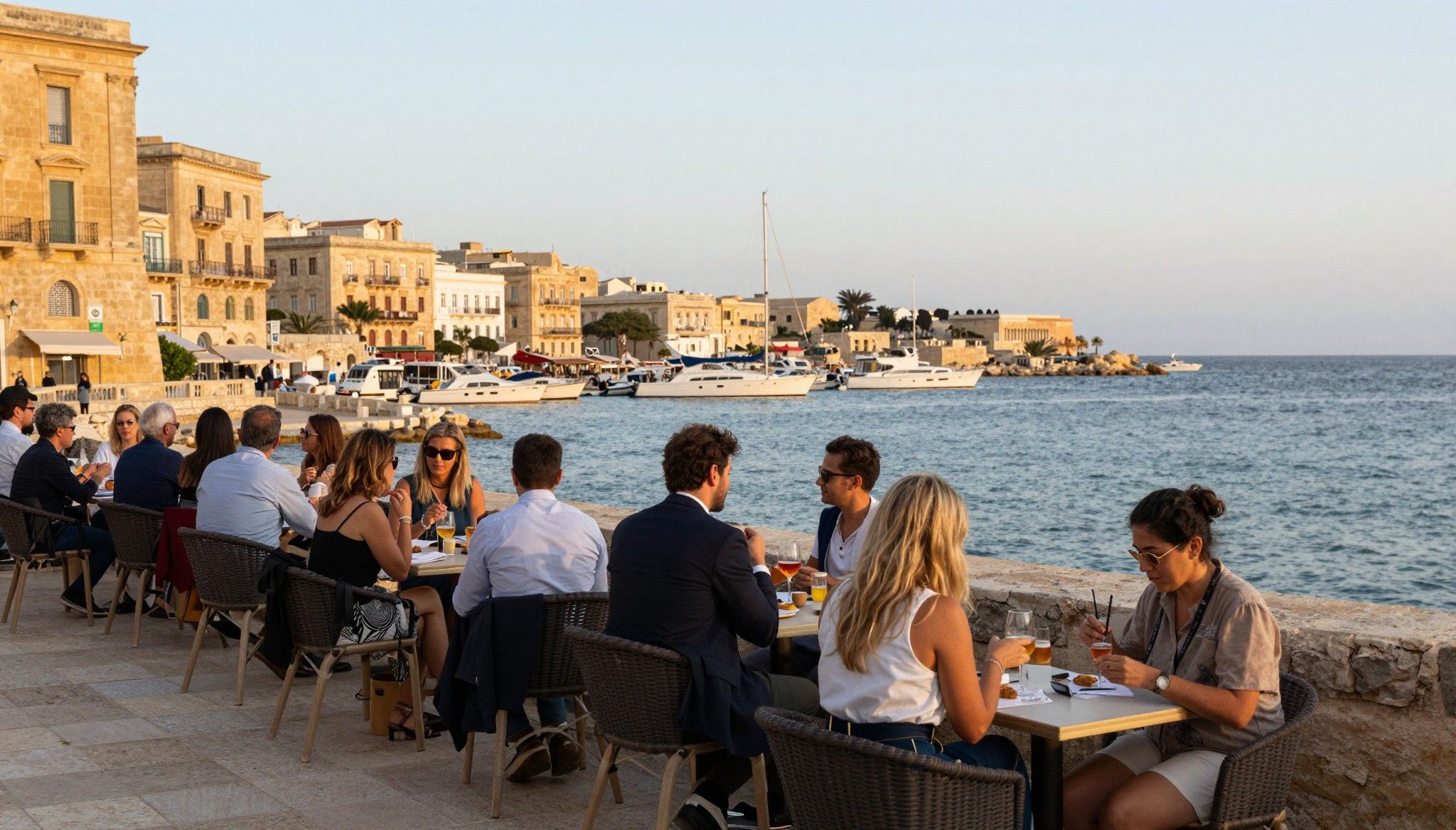
- Evening passeggiata in St Julian’s and outdoor dining by sea
Making the Move: Practical Considerations
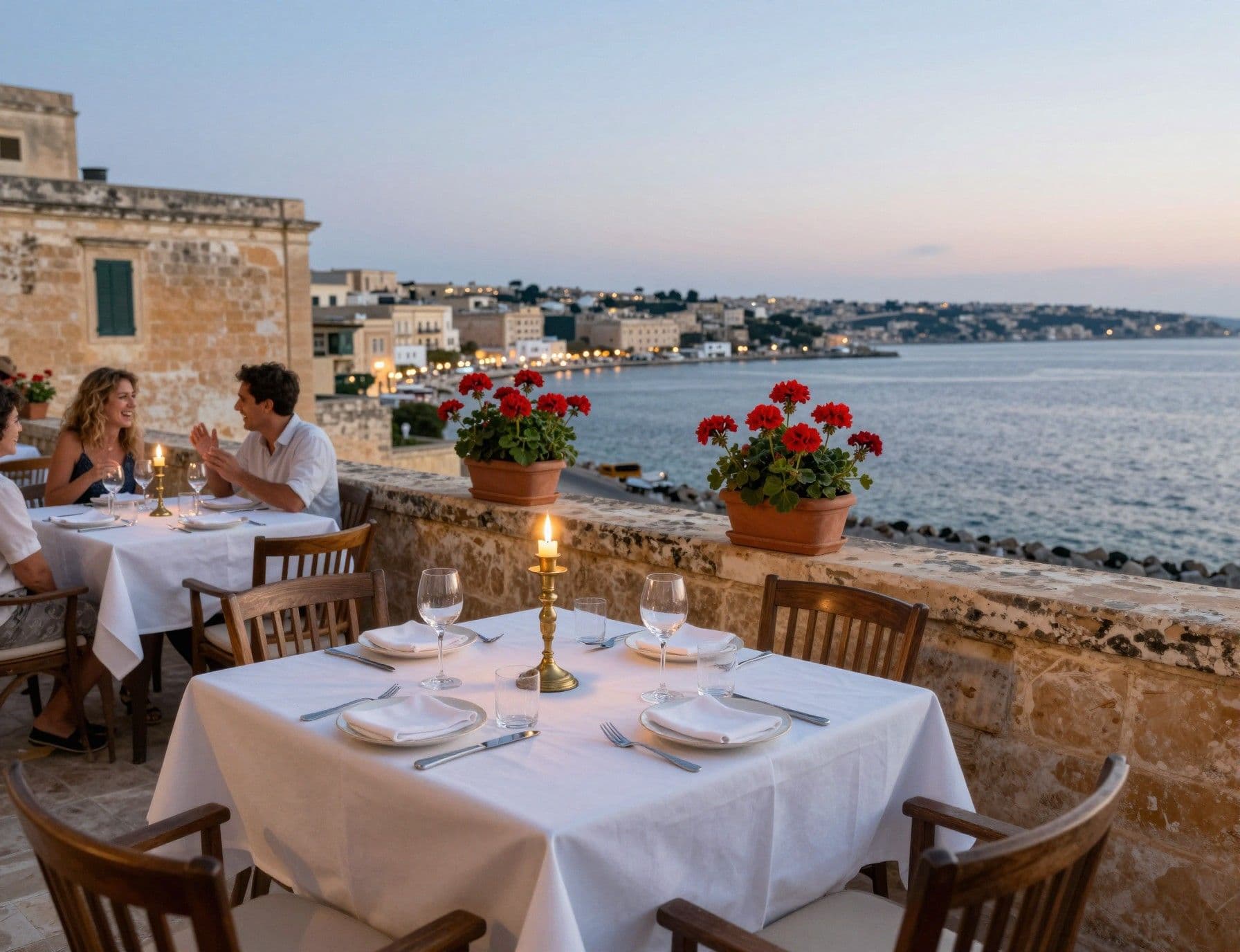
The romance of place must align with market facts. Malta’s residential property indices and transaction volumes have shown consistent upward movement in recent years, with official measures indicating mid-single-digit annual increases in many quarters. That steady appreciation is attractive for long-term holders but raises entry costs for lifestyle buyers who also want space and privacy. A careful brief prepared with a local agent will map lifestyle priorities to realistic budgets — often asking whether you prefer a smaller address in a prime spot or a larger home a short drive away.
Property types and the life they permit
Maisonettes and apartments are the island’s dominant forms, offering lower maintenance and proximity to services; townhouses provide generous interior volumes and historic character but often need sympathetic restoration. New builds deliver contemporary finishes and warranties yet sometimes sacrifice the light, air and material patina that make Maltese homes singular. When assessing a property, prioritise orientation for cross‑ventilation, the thickness and insulation of the limestone envelope, and any rights of light or restoration constraints that affect alterations.
Working with local experts who know the lifestyle
Choose advisers who speak both the language of place and the language of contracts: an agent who knows tucked-away streets in Rabat, an architect versed in limestone restoration, and a solicitor familiar with Maltese conveyancing timetables. Agencies that offer neighbourhood intelligence will save you time and avoid costly re-orientations. Ask prospective agents for concrete examples of properties they’ve placed and for introductions to recent clients — a short conversation with a current owner reveals more than glossy brochures.
- Steps to align lifestyle wish‑list with market reality
- 1. Sketch a lived day: where you breakfast, work, and socialise — this clarifies acceptable commute and noise levels.
- 2. Compare three neighbourhoods by visiting at different times (weekday morning, Saturday midday, evening) to sense rhythm and density.
- 3. Insist on recent energy and structural reports; older stone buildings can surprise you with moisture or retrofitting needs.
- 4. Budget for stewardship: restoration, appropriate insurance, and modest contingency for works that preserve long‑term value.
Insider Knowledge: What Expats Wish They’d Known
Expat experience in Malta often separates into three discoveries: English eases paperwork but local nuance matters; social life happens in small rituals rather than headline events; and costs — especially rents and smaller‑unit prices — can be higher than expected relative to incomes. Sites aggregating living costs give helpful baselines, but the local truth lies in grocery aisles, parking availability and the seasonal surge of short-lets which can distort neighbourhood life. Tack these lived observations to your budget and timeline.
Language, community and the social ledger
English is an official language and serves as the practical bridge for newcomers; still, social integration benefits from learning Maltese phrases, attending festa evenings and joining local groups. Expats who invest in rituals — a regular table at a neighbourhood restaurant, volunteering for a village festa committee — find their social ledger grows rapidly. For buyers, community ties also translate into softer due diligence: neighbours are often the best arbiters of who maintains their property and how the street functions across seasons.
Seasonality, short-lets and what to expect
Tourist season reshapes streets from May through September: restaurants lengthen tables onto pavements, short‑lets proliferate and parking becomes a negotiation. If you seek calm, investigate properties with private outdoor space or streets that retain residential life through the summer. For buyers considering rental income, short-lets can boost yield but bring regulatory and management demands; recent reports underscore a rise in short-let activity and its local impact on availability and prices.
- Common expat red flags to watch for
- Promoted sea view that is seasonal and obstructed by later development
- Buildings with undocumented alterations or missing permits
- Underestimating restoration costs for limestone façades and joinery
- Assuming year-round quiet in tourist-heavy localities
- A practical checklist before signing
- 1. Request the RPPI or recent transaction summary for the neighbourhood to validate price movement.
- 2. Commission a structural and damp survey that references local limestone behaviours and roof waterproofing.
- 3. Ask your agent for a seasonally-staggered viewing plan and speak to neighbours about short-let frequency.
If stewardship and provenance resonate, Malta rewards. A carefully chosen Valletta townhouse or a well-positioned apartment in Sliema becomes not merely a place to stay but a life you tend. Work with specialists who appreciate the island’s architectural language and local rhythms; plan for maintenance and seasonal flux; and let neighbourhood rituals — market mornings, seaside dinners, festa nights — be the true currency of your decision. When affection and data align, your purchase is both an investment and an entry into a lived, storied place.
Norwegian with years in Florence guiding clients across borders. I bridge Oslo and Tuscany, focusing on legal navigation, cultural context, and enduring craftsmanship.