Italy: Where Lifestyle Shapes Living Costs
Italy’s daily pleasures shape where costs arise — compare neighbourhood rhythms, running costs and restoration risks to match lifestyle with realistic budgets.
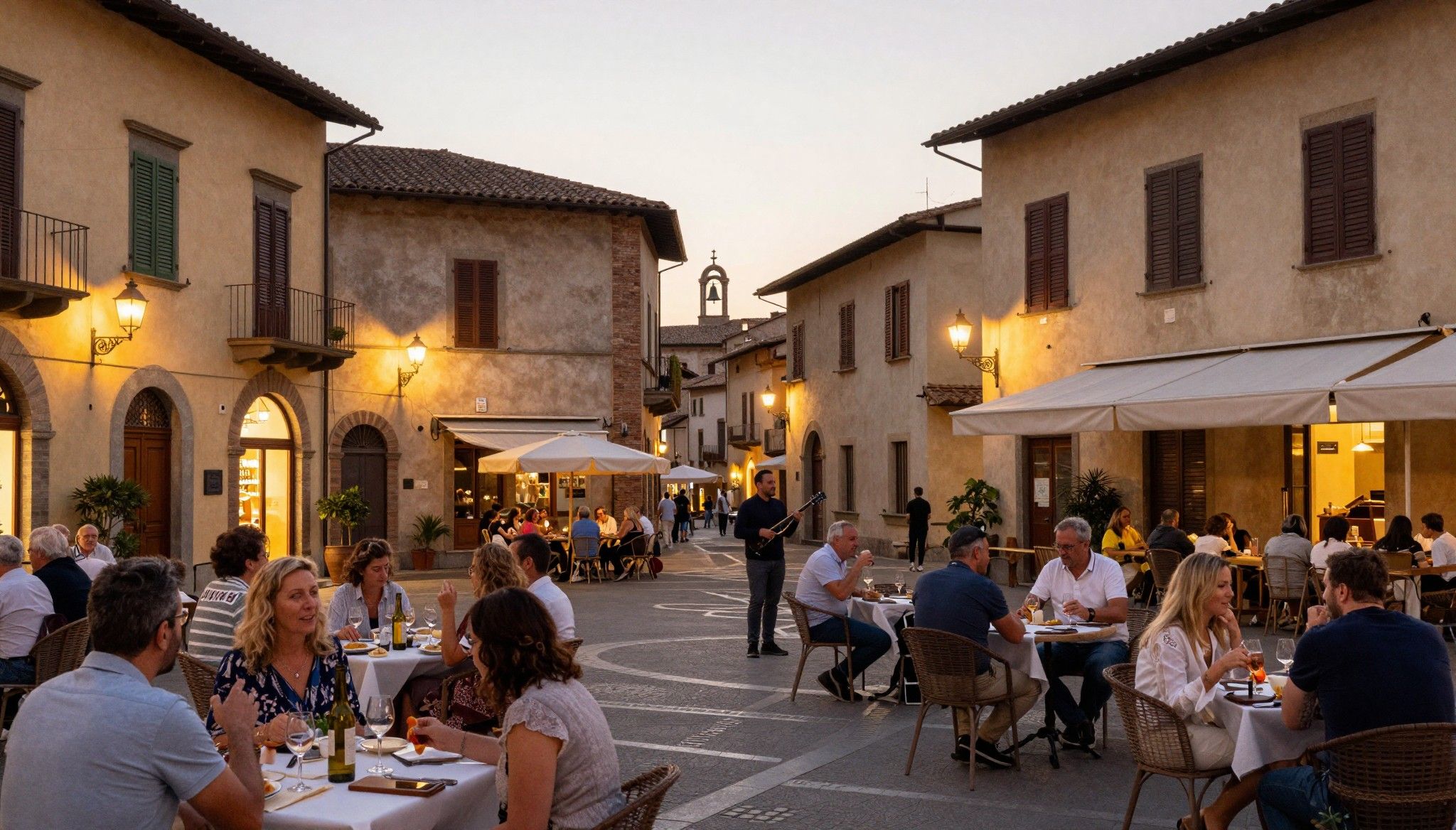
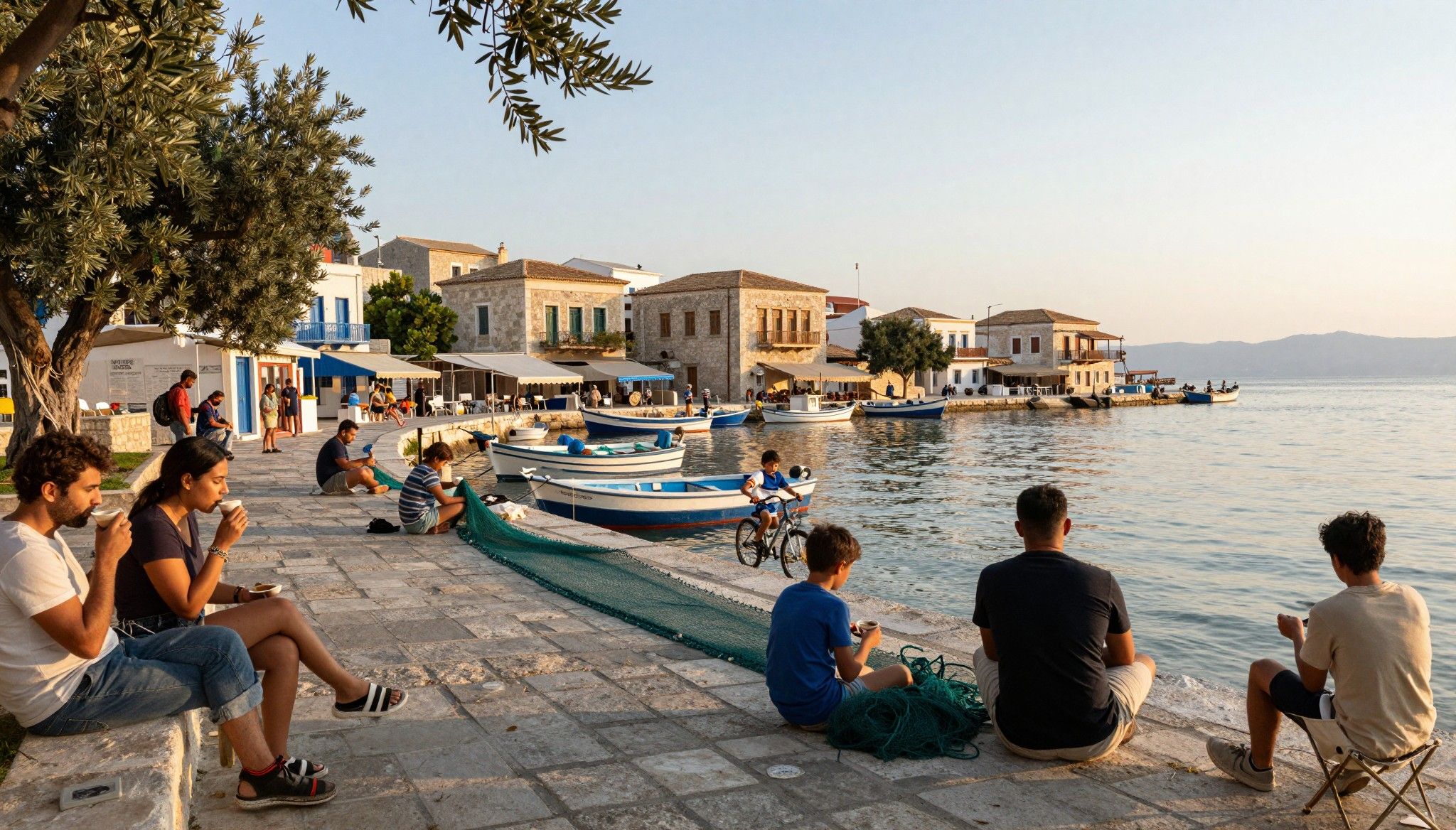
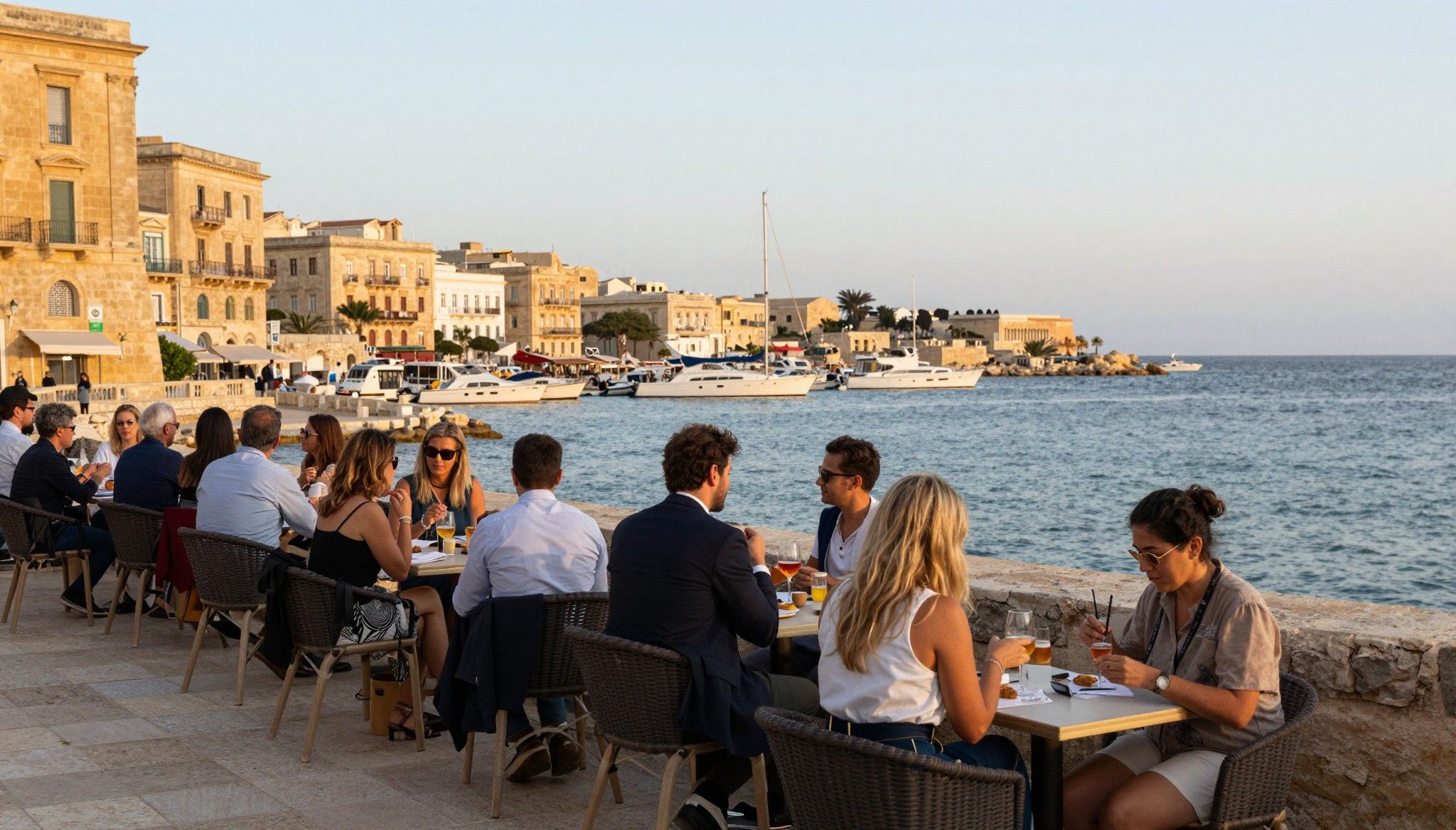
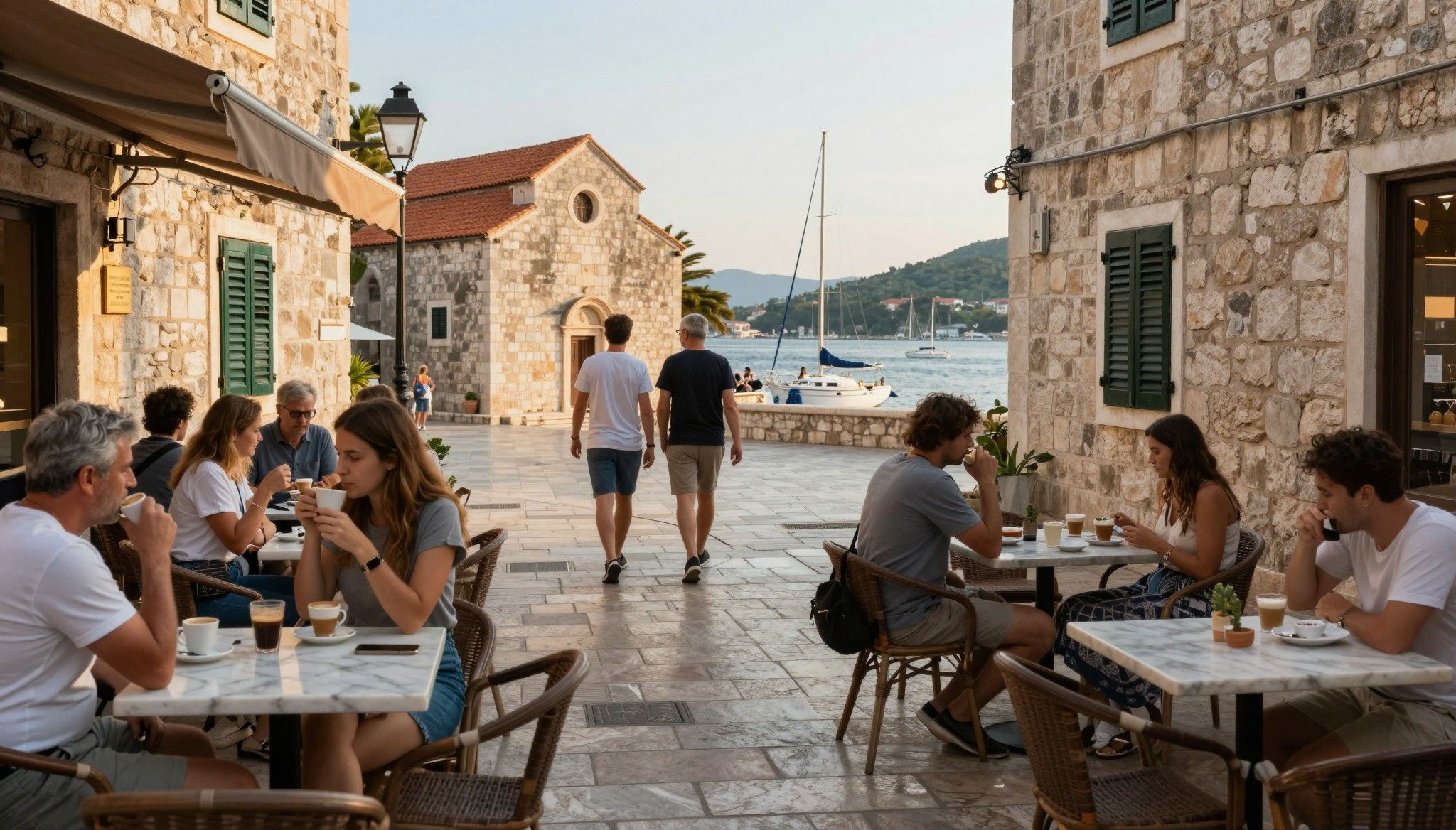
Imagine waking to the low bell of a neighborhood barista opening shop on Via del Governo Vecchio in Rome, or to terraces in Trastevere filling with the scent of fresh bread. In Italy life is composed of small, exact pleasures — morning espresso, a market run on Saturday, aperitivo by dusk — rhythms that shape where people choose to live and how much they spend. This piece pairs those lived moments with the costs you should expect when making Italy home, with up-to-date market signals and local examples to guide measured decisions.
Living the Italy lifestyle
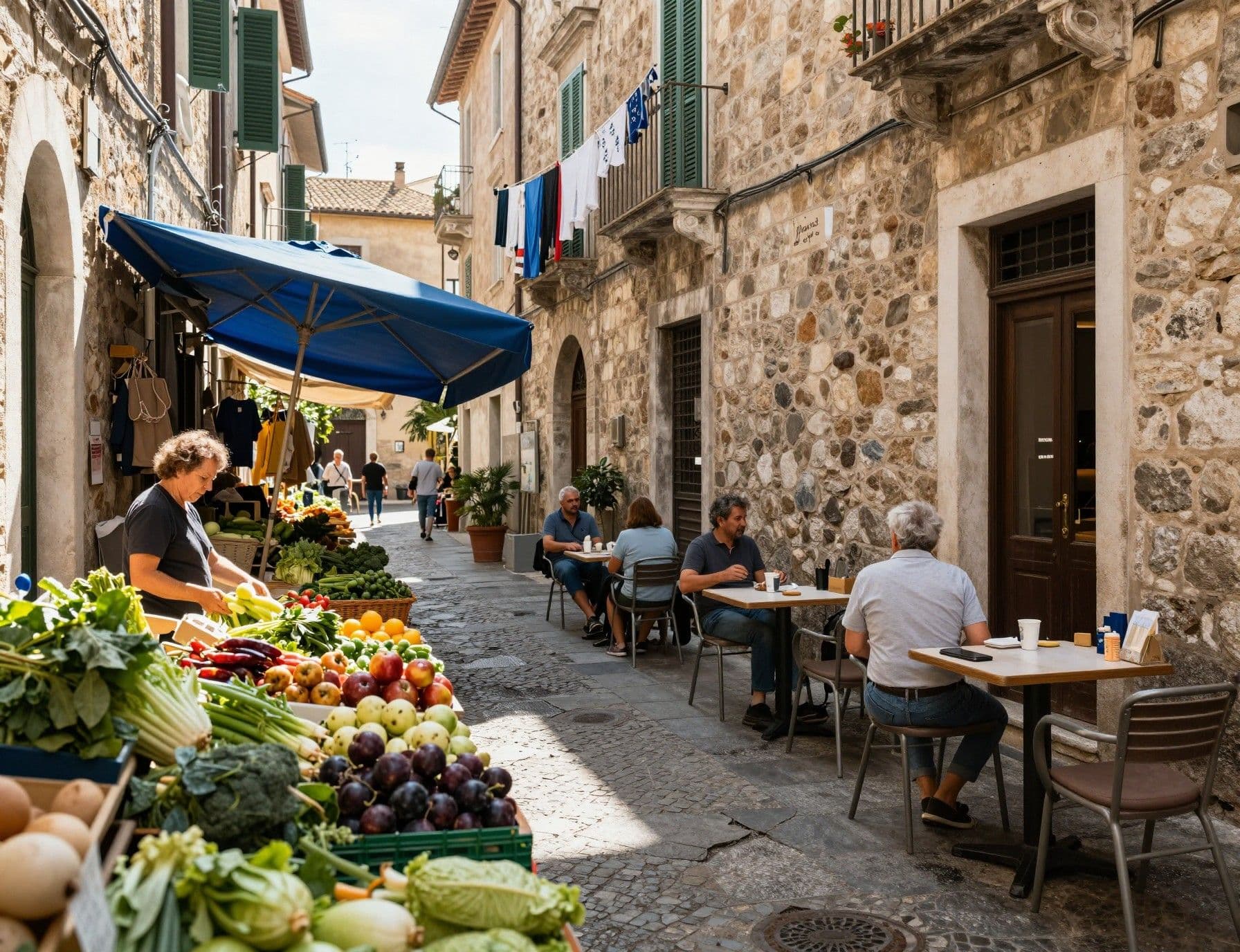
Italy's daily life is best understood by place: a Milanese morning is brisk and ordered, a Sicilian afternoon slow and sun-drenched. Cost of living varies accordingly — urban centres such as Milan and Rome sit above the national average for groceries, services and rents, while inland and southern towns offer markedly lower household budgets. Public statistics and crowd-sourced indices both show this north–centre–south spread; use them together to form expectations rather than rely on a single number.
Neighbourhood notes: where the lifestyle and the ledger diverge
Milan’s Brera and Rome’s Parioli trade on culture and convenience and command a premium; yet within those cities pockets such as Lambrate (Milan) or Pigneto (Rome) offer similar social energy at lower per-square-metre prices. On the Amalfi Coast, Positano’s headline numbers overshadow nearby Ravello or Praiano where terraces and sea views remain relatively more affordable. The lesson: neighbourhood atmosphere does not map one-to-one with price — it maps with scarcity and provenance.
Food, ritual and seasons
Markets pulse with seasonality: hill towns bustle August–September at grape harvest; coastal villages soften after the ferragosto crowds. Eating local — from the Mercato Centrale in Florence to small stalls in Palermo’s Ballarò — reduces monthly food spend and deepens cultural integration. For buyers, properties with a kitchen configured for market cooking or a shady courtyard translate to both lifestyle satisfaction and lower living costs across the year.
- Market-and-moment lifestyle highlights
- Morning espresso at a bar counter (Via dei Coronari, Rome) — minimal daily cost, maximal social integration
- Saturday produce run to Mercato di San Lorenzo (Florence) — reduces grocery bills and supports seasonal eating
- Sunday passeggiata along Lungarno (Pisa) or the Lungomare (Bari) — free leisure, informs neighbourhood choice
Making the move: practical considerations
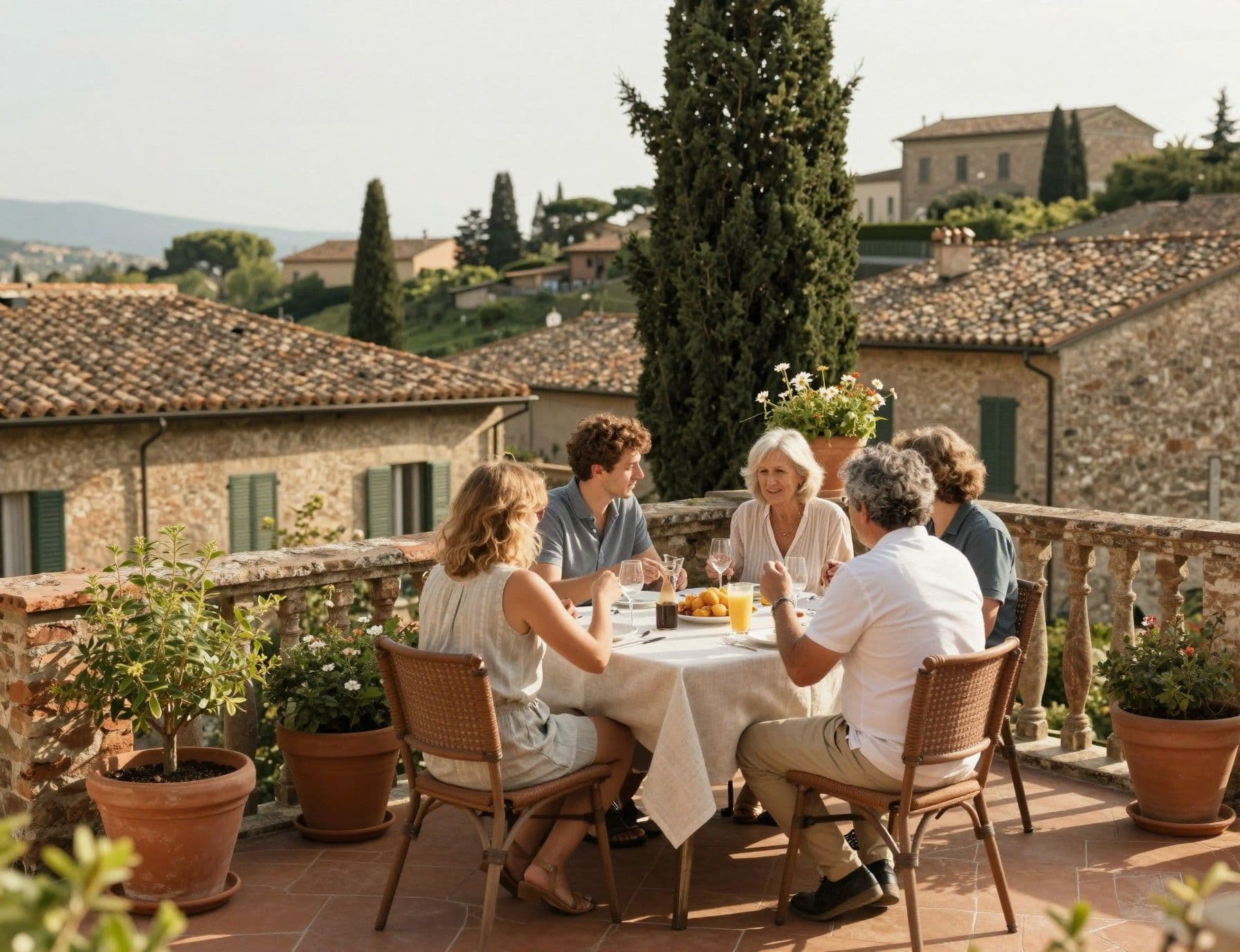
The dream of Italian life meets practical realities in transaction costs, insurance and the rhythm of renovations. Recent market outlooks show steady demand in prime urban and coastal markets, while smaller towns retain price resilience when provenance and restoration quality are present. Understand the trade-offs between headline purchase price and ongoing running costs — especially in terms of maintenance of historic fabric, utilities in rural areas, and municipal taxes which vary by comune.
Property types and how they shape monthly living costs
A city apartment in a period palazzo often carries higher condominium fees and heating costs but offers proximity that reduces transport and leisure spending. A restored country house brings larger grounds and maintenance obligations but lower everyday service costs and often cheaper local groceries. Assess total cost of ownership: mortgage, utilities, condominio, restoration earmarks and the seasonal insurance load for coastal or flood-prone areas.
Working with local experts who preserve lifestyle value
A knowledgeable local agency does more than show properties; it matches you to the daily life you want. They advise on energy efficiency retrofits that reduce bills, on heritage rules that affect restorations, and on municipal rhythms that determine service availability. Seek advisers with a track record in the micro‑neighbourhoods you admire, not general national experience alone.
- Steps to reconcile lifestyle priorities with living costs
- List the daily rituals you will not compromise (market cooking, terrace dining, proximity to cultural venues).
- Overlay those rituals onto neighbourhood research: compare average rents/prices, transport times and local service costs.
- Request detailed running-cost estimates from sellers or agents (condominio, heating, waste, local taxes) rather than relying on headline price alone.
- Prioritise properties with documented restoration, warranties on structural works and up-to-date energy certificates to avoid surprise expenses.
Insider knowledge: expat realities and uncommon truths
Expats often assume language is the main barrier; more frequently it is seasonal services and local administration. Expect some municipal offices to slow in August, or rural tradespeople to be unavailable outside local working weeks. Inflation has eased compared with the 2022–2023 spike but remains a factor in household budgeting; cross-check local price trends before committing.
Social integration, language and cost-saving habits
Learning enough Italian to manage utilities, local bureaucracy and market conversations rapidly reduces reliance on paid intermediaries. Shared habits — buying seasonally, embracing neighbourhood bar routines, and joining local associations — lower costs and enrich lifestyle. Many expatriates find their largest savings in reduced leisure spending by participating in local, not tourist, routines.
Longer-term considerations: stewardship and value
If you intend the property to be a multi-year home or an heirloom, budget for quality restoration and climate adaptation rather than cosmetic upgrades. Well-executed interventions preserve provenance and reduce long-term costs; poorly managed restorations compound expense and erode value. Treat the purchase as stewardship: it yields lifestyle returns and protects capital.
- Practical red flags to check before an offer
- Missing or expired energy performance certificate (APE) — can mask high heating costs
- Large, unexplained condominium arrears — you inherit the liability
- Water or drainage works recently completed without permits — likely to trigger fines and retrospective bills
- Properties in flood or landslide zones without adequate insurance or local mitigation measures
- How to test a neighbourhood before you buy
- Spend three separate days at different times — morning market, late afternoon aperitivo, and a weekday evening — to observe services and community life.
- Talk to at least two local shopkeepers or a barista about seasonal footfall and service reliability; they are candid about real rhythms.
- Request a recent utility bill and a condominium statement to estimate true monthly running costs before proceeding.
In Italy the balance between romance and realism is delicate. The places that reward you day after day often require patience and a willingness to engage with local practice. A careful agent will protect your capital and curate the lifestyle you seek — from an apartment with a balcony on Via dei Giubbonari to a farmhouse outside Lucca with olive trees and modest running costs.
If the vision of life in Italy has taken hold, next steps are straightforward: shortlist neighbourhoods informed by the lifestyle you want, request full running-cost disclosures, and engage a locally rooted advisor to draft an offer that reflects both price and stewardship. With a clear sense of daily life, cost realities become the frame that makes the dream sustainable.
Relocating from London to Mallorca in 2014, I guide UK buyers through cross-border investment and tax considerations. I specialise in provenance, design integrity, and long-term value.