Greece: Lifestyle Costs, Seasonal Truths & Stewardship
A lifestyle-led look at living costs across Greece—sensory neighbourhood portraiture paired with official data, red flags and buying steps for international buyers.
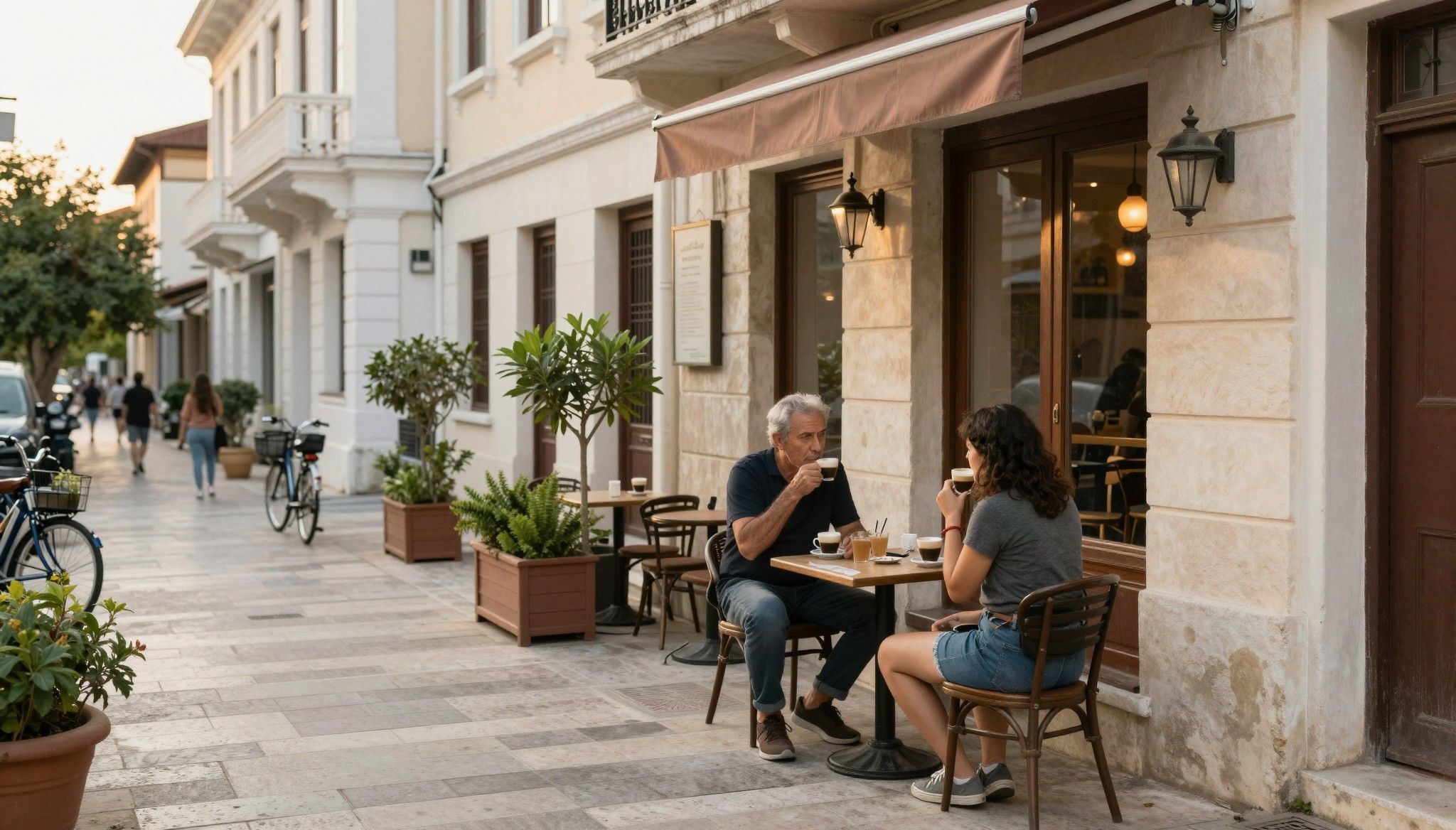
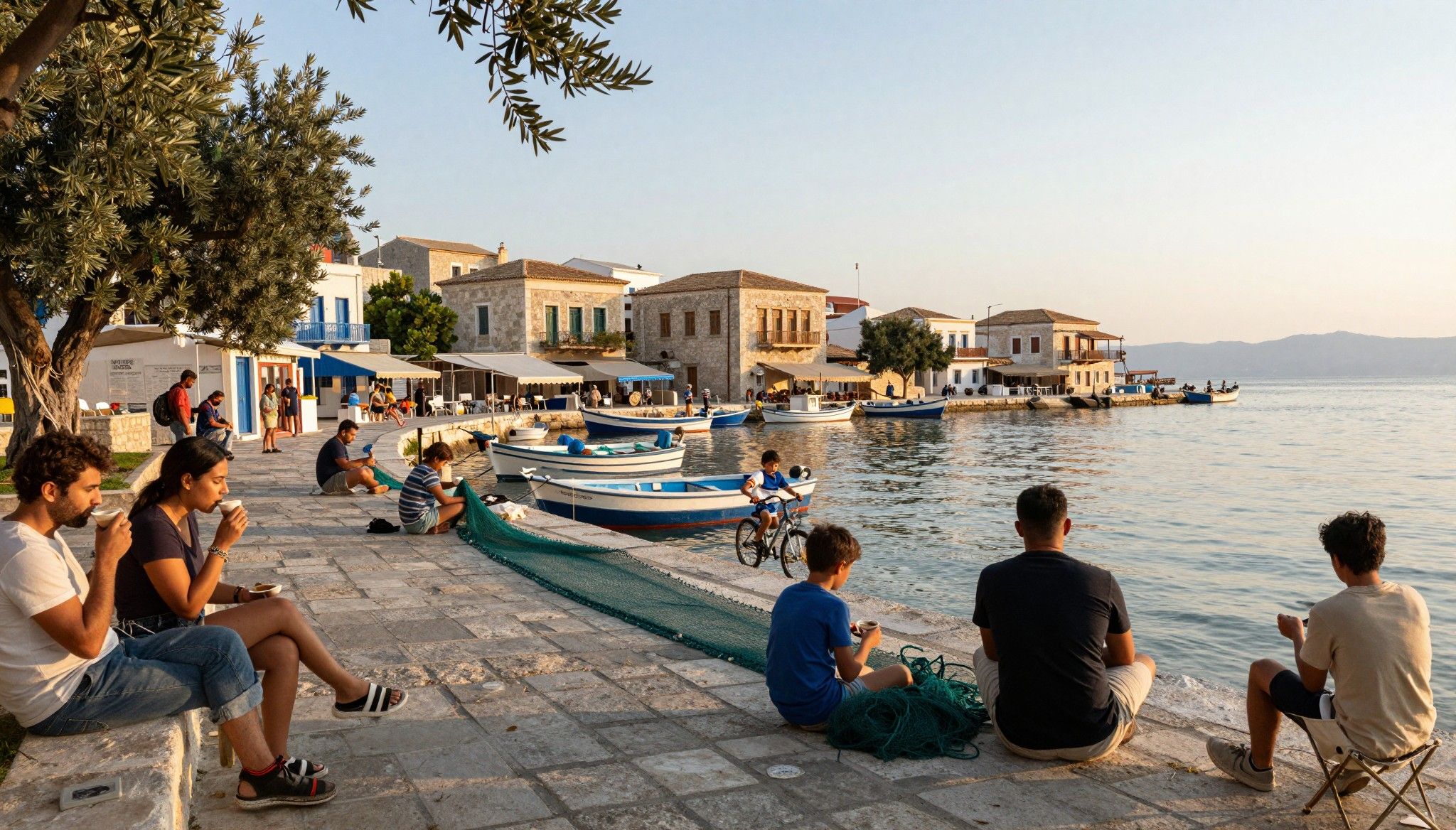
Imagine a morning in Greece: espresso pulled at a neighbourhood kafeneío in Plaka, fishermen mending nets in Piraeus as the light turns honeyed, and a Saturday market in Chania where thyme and freshly baked koulouri perfuse the air. This is a place where architecture—neoclassical facades, Cycladic white-cube houses and Ottoman stone lanes—meets a rhythm of daily life that privileges long lunches, small rituals and generous public space. For international buyers, that sensual daily life is the purchase as much as the square metres; yet the cost of living and property rhythm behind that image vary sharply by region. Here we pair the lived pleasures of Greece with research-led realities so you may imagine the life and understand the numbers before making a move.
Living the Greece Lifestyle
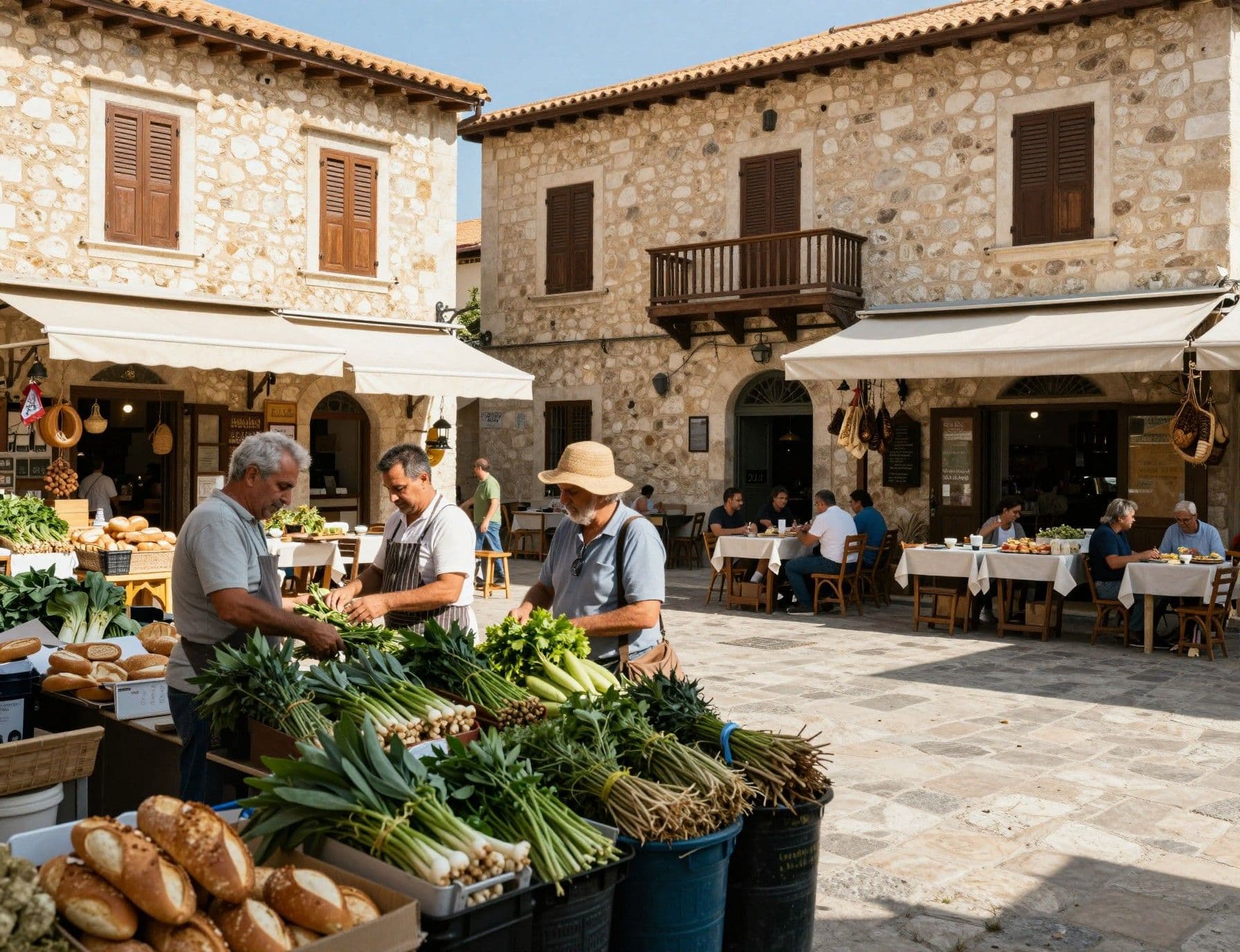
Daily life in Athens differs from Crete or the Ionian islands in ways that touch your budget and your habits. In Athens you will pay more for dining out and services but gain access to international schools, private clinics and cultural institutions; islands such as Paros and Naxos trade those conveniences for quieter streets, seasonal markets and lower weekday prices. Cost of living indices—useful as directional gauges—show Greek cities clustered below major Western European capitals, but they conceal local spikes in tourism-heavy pockets where short-term rentals and seasonal demand push everyday costs upward.
Athens: Urban province, neighbourly corners
In Athens, the contrast between Kolonáki’s restrained boutiques and the working-scale neighborhoods of Kypséli is instructive: the former commands higher rents and purchase prices, while the latter offers older apartment stock with generous ceiling heights and attractive restoration potential. Infrastructure projects and a steady stream of foreign buyers have lifted city prices; the Bank of Greece records sustained price growth in recent years, driven by demand for well-located apartments and renewed investment in urban fabric. If you prize daily theatre, museums and a discreet network of artisan cafés, Athens will repay the premium with time saved and cultural proximity.
Islands and coastline: season, solitude and price swings
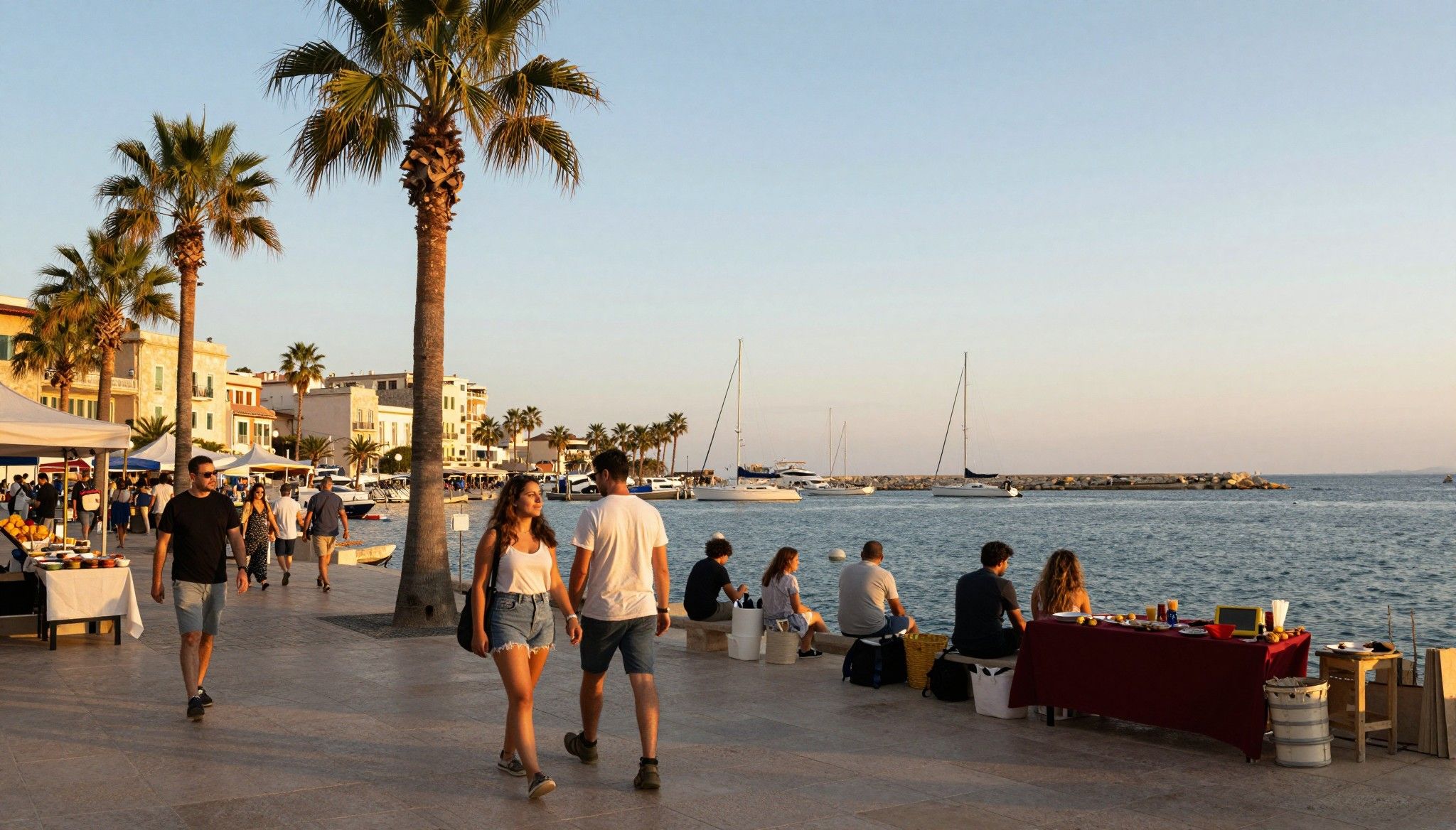
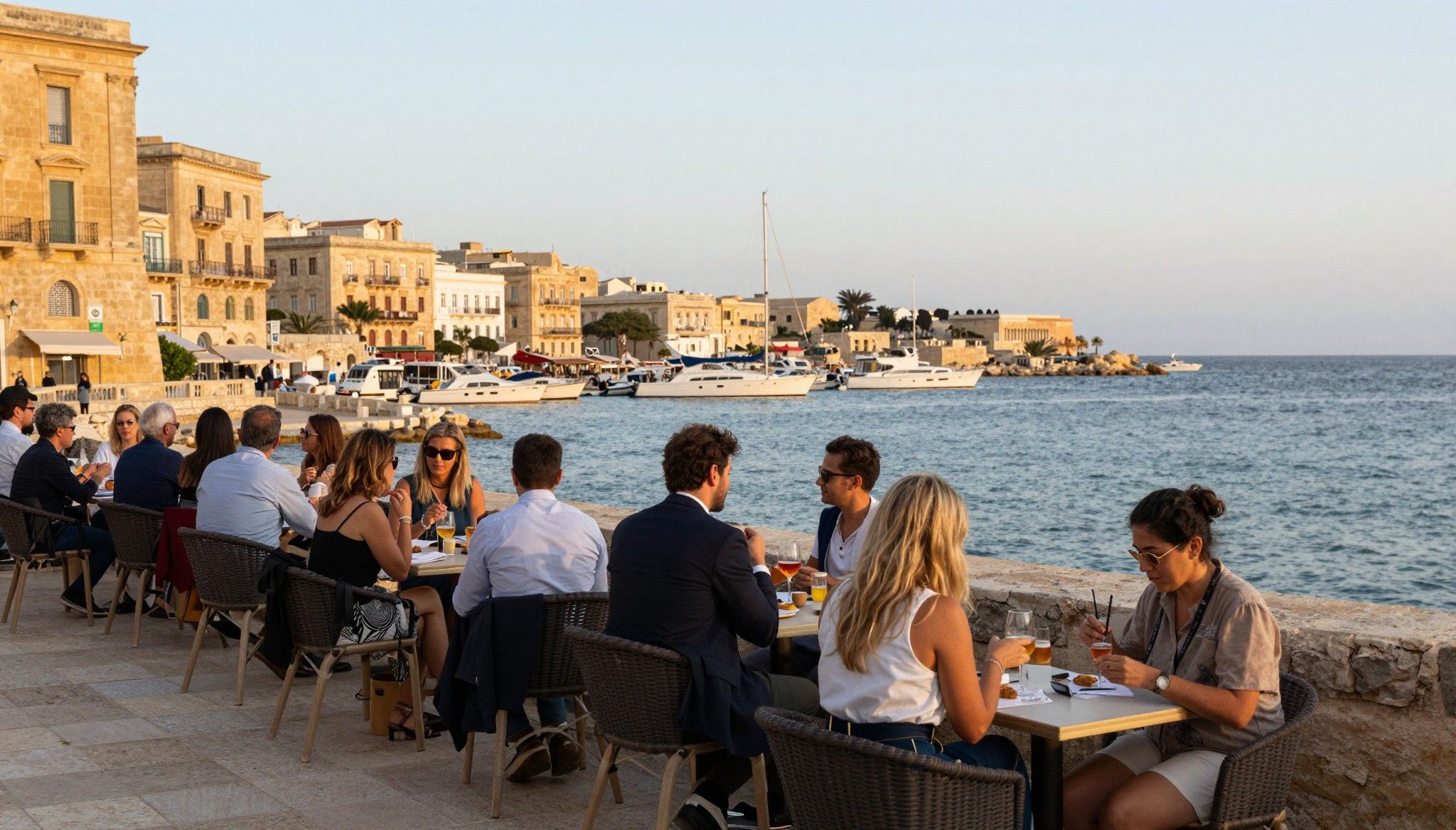
The islands offer the archetypal Mediterranean life—sea air, late dinners on terraces, village squares that pulse in July and hush in November. Coastal price lists are bifurcated: highly polished Cycladic villas and front-line Ionian estates can cost many times a mainland equivalent, while nearby inland villages present affordability and authentic community life. Reliable market guides show per-square-metre spreads that reflect this seasonal economy; if you love long summers but want winter calm, pick a property in a mixed-use village where locals live year-round.
- Daily lifestyle highlights to match different budgets and tastes
- Athens morning: espresso in Plaka, museum visits, late-afternoon paseo in Exarchia
- Island life: weekly fish market, bakery queue, evening kimolia beach strolls
- Peloponnese weekend: vineyard visits in Nemea, olive-press seasons, tavernas that close after the last guest leaves
Making the Move: Practical Considerations
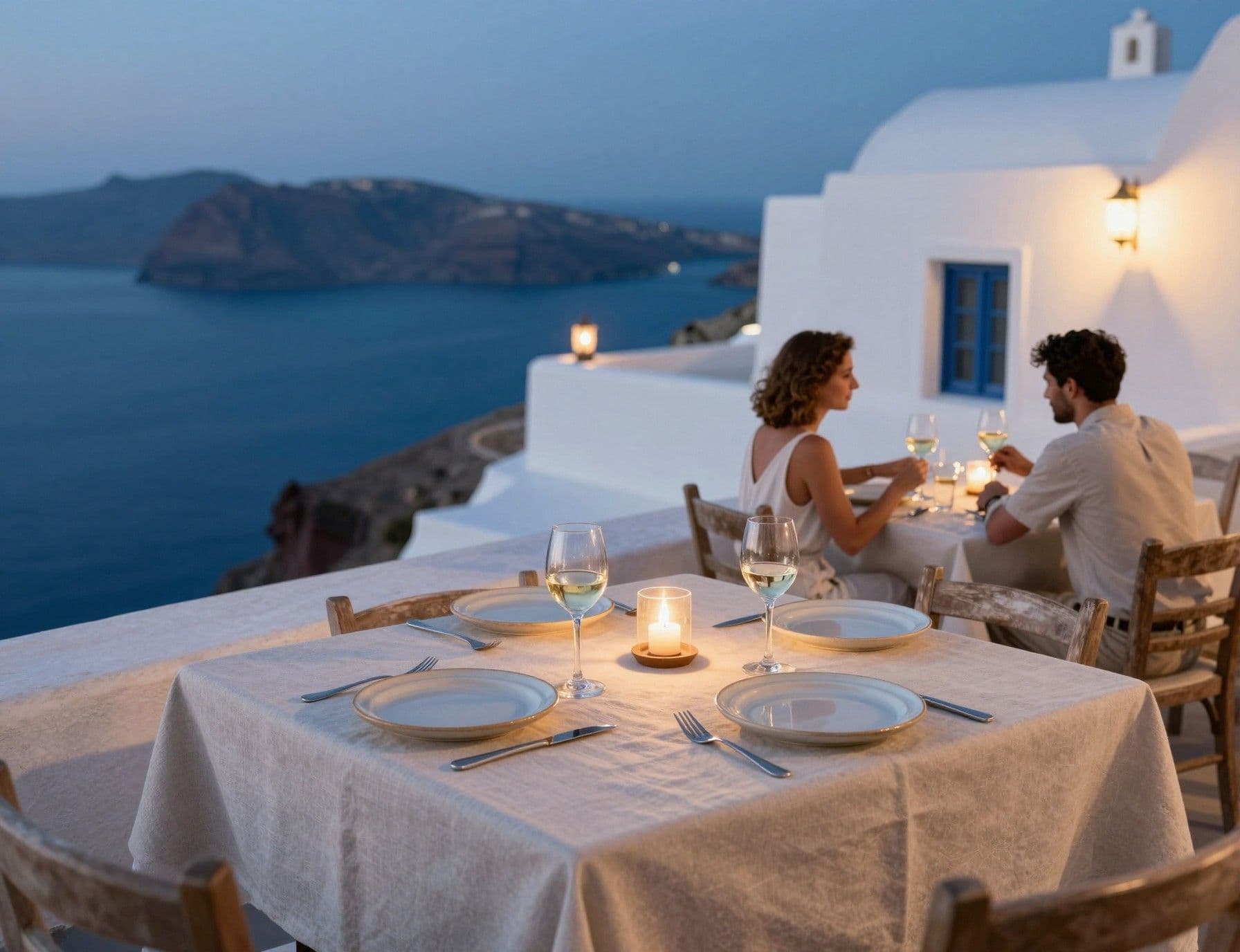
The romance of Greece coexists with measurable market dynamics: house price indices and official statistics show steady gains in recent years, led by urban renewal and foreign purchases. Knowing whether you are buying for yield, winter residence, or full-time living affects timing, location and the type of property to prioritise. For example, a renovated neoclassical apartment in central Athens may require a higher upfront budget but yields easier long-term liquidity; a farmhouse in the Peloponnese buys land, quiet and lower everyday costs but demands more hands-on stewardship.
Property types and how they shape daily life
Apartment living in Greek cities means compact serviceability—walkable streets, nearby kafetéria and municipal services—whereas island houses centre on outdoor terraces, cisterns, and seasonal utilities. Stone-built village houses reward patients with cooler summers and lower heating bills, but expect renovation needs: joinery, insulation and modern plumbing are often necessary. Choose a property type that supports how you want to live: frequent visitors should prioritise access and rental potential; full-time residents will value proximity to healthcare, schools and year-round communities.
Working with local experts who understand lifestyle and law
A thoughtful agency does more than show properties: it reads neighbourhood rhythms, flags planning constraints and interprets local regulations such as the evolving short-term rental rules that affect coastal and island markets. Expect agents to coordinate with local notaires (notaries), architects and engineers to assess renovation costs and legal standing. Use an agency that can present comparative scenarios: a lived-in villa’s annual running costs, a projected rental yield for August, and the practicalities of winter upkeep.
- Steps to blend lifestyle vision with market reality
- Clarify how you will use the property (primary, seasonal, rental) and set a running-cost target that includes utilities, local taxes and stewardship.
- Commission an on-site inspection and a local cost estimate for repairs; compare with similar restored properties in the same street.
- Ask your agency for a neighbourhood lifestyle brief (cafés, weekly markets, ferry timetables, winter services) rather than a simple price comp.
Insider Knowledge: What Expats Wish They’d Known
Seasonality is the quiet variable that alters costs and satisfaction. Many buyers first fall for the summer persona of a place and later discover a different winter reality—slower services, closed bakeries, different energy needs—and those realities change ongoing living costs. Expats often underestimate the subtle administrative chores of property ownership in Greece: municipal permits, water connections on islands and the cadence of local contractors.
Cultural integration, language and daily community
Learning a few phrases and joining local rituals—market bargaining, name-day visits, café routines—open doors to better service and neighbourly support. Many long-term buyers speak of a practical economy of favours: a plumber who works weekends for a reliable client, or a taverna owner who will store your produce over winter. These social economies reduce friction and can lower living costs in ways spreadsheets fail to capture.
Long-term living costs and stewardship
Think in decades when buying in Greece. Maintenance of traditional materials—lime plaster, timber shutters, stone roofs—requires periodic investment but preserves value and comfort. Investors who plan for seasonal servicing, sympathetic restorations, and modest energy upgrades find that their estates cost less to run and command better long-term premiums. A disciplined stewardship plan is the difference between a charming, affordable home and one that becomes expensive through deferred maintenance.
- Red flags and local realities (what to look for before you buy)
- No clear title or unresolved municipal debts; insist on a clean chain of ownership.
- Properties marketed mainly through short-term rental platforms—verify licences and seasonal restrictions.
- Under-insulated buildings with outdated electrical systems—factor renovation into running-cost estimates.
Greece’s market rewards buyers who blend patience with local intelligence. Purchase decisions that privilege provenance and restoration integrity tend to preserve lifestyle quality and protect value. If the life you imagine centres on convivial public spaces, seasonal markets and a culture of small trades, align your property type and neighbourhood to that rhythm and budget for stewardship accordingly.
If you are ready to explore specific neighbourhoods and cost scenarios, begin by asking an agency for: a comparative cost-of-living brief, a list of year-round services, and a realistic maintenance budget for any older property. Villa Curated partners locally to present those facts alongside the live experience so you may buy for life, not merely for a season.
Conclusion: fall for the life, equip yourself for the realities. Greece offers an intimate, texture-rich life that repays curiosity, language and care. Make the lifestyle decision first, then resolve the numbers with local data, trusted professionals and a stewardship plan that sustains both the house and the life you want to live.
Former Copenhagen architect who relocated to Provence, offering relocation services, market analysis, and a curator’s eye for authentic regional design.