Greece: Where Daily Life Outweighs Sea‑View Hype
A lifestyle‑first comparison of daily living costs and ownership realities in Greece, pairing Numbeo and Bank of Greece data with practical stewardship advice.
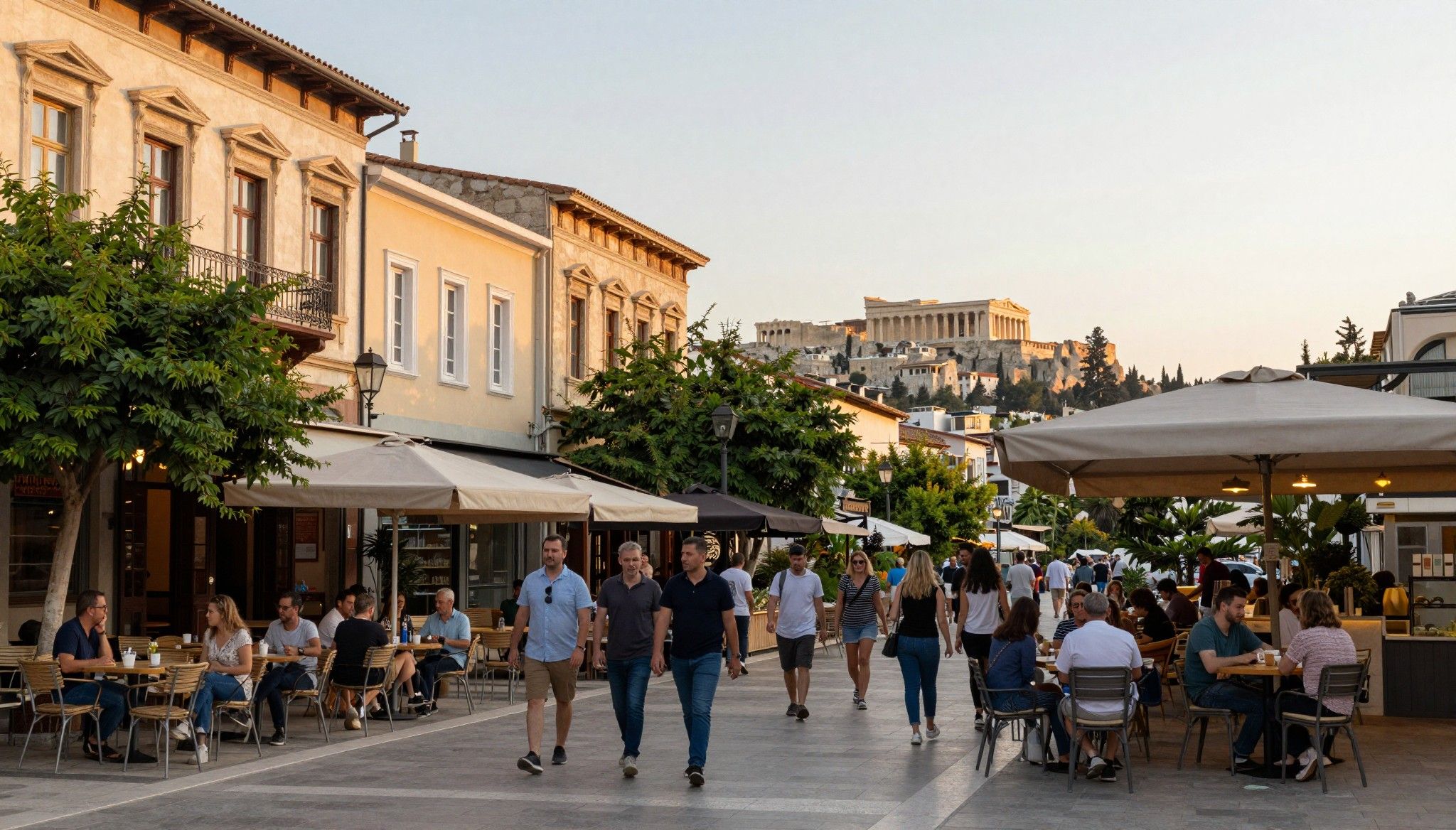
Imagine a morning in Plaka: espresso warmed in your hands, sunlight sifting through plane trees, and the distant call to prayer replaced by church bells and street vendors arranging olives and cheeses. Greece rewards small rituals—the neighbourhood kafeneio where faces are known, the market where the fishmonger greets you by name—and these everyday textures shape where people choose to live. But beneath the romance lies a practical question: how far will your euro go? This piece pairs lived experience with current market and cost data so you can see not only what life in Greece feels like, but what it costs, and where value quietly hides.
Living the Greek life: places, pace and small pleasures
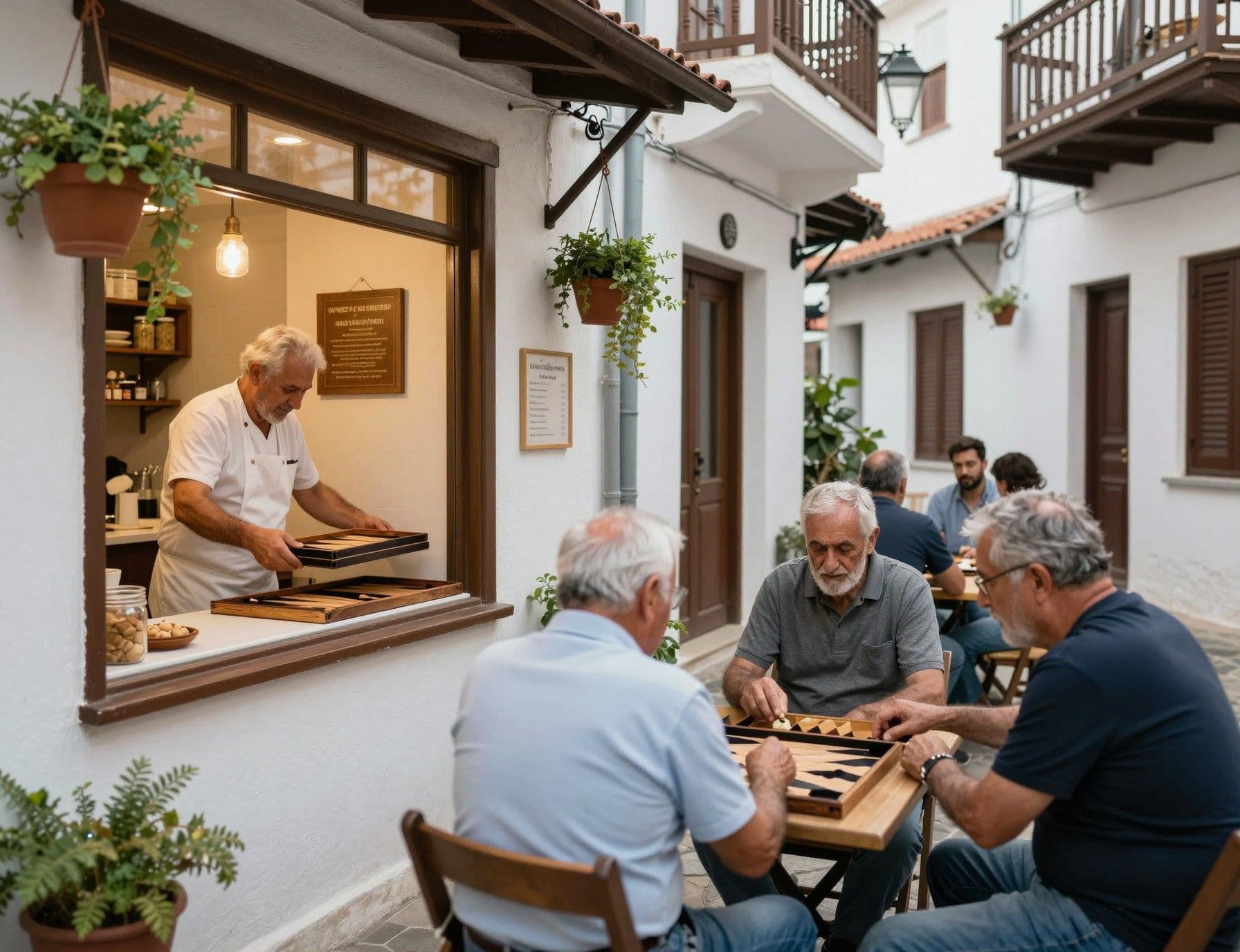
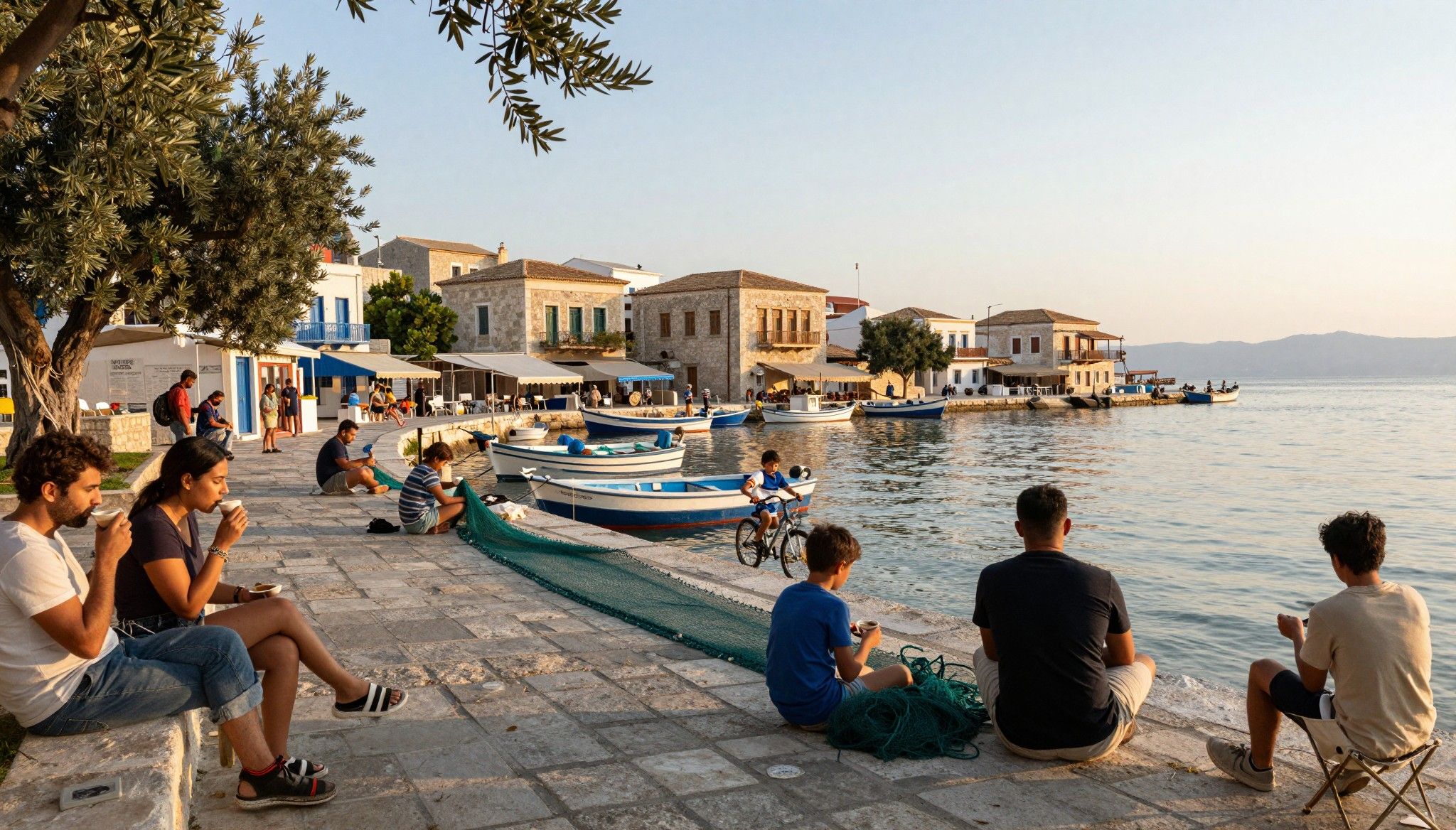
A day in Athens and a day on Ikaria feel distinct not only in rhythm but in cost. In Athens you pay for convenience—tidy bakeries, late-night theatres, international produce—and Numbeo’s 2026 indices show Athens sits comfortably below many Western European capitals for everyday spending. On the islands, running costs shift: groceries may be pricier, diesel and construction materials arrive by ferry, but housing often rewards patience with lower asking prices outside the most photographed caldera towns. These are the trade-offs: convenience, community and authenticity versus seasonal rhythms and logistical cost premiums.
Spotlight: Athens neighbourhoods — Plaka, Koukaki, Kolonaki
Plaka offers a graceful blend of neoclassical façades and quiet courtyards; properties here reward restoration and provenance. Koukaki has become a favourite for professionals who want a short walk to the Acropolis and a lively food scene without Kolonaki’s formality. Kolonaki remains the address of measured prestige: galleries, ateliers and tailored shops populate its blocks, and that pedigree is reflected in prices and rents. Each quarter delivers a different daily script: market mornings in one, museum evenings in another, and a buyer’s choice should align with the life they intend to lead.
Food, markets and seasons — how daily life shapes expense
Food and fuel are where monthly budgets move most noticeably. ELSTAT and contemporary reporting show food inflation softening compared with the crisis years, yet staples such as olive oil and certain imported goods see periodic price shocks. Eating out remains comparatively affordable: a well-made lunch or plate of seafood in a neighbourhood taverna is often less than comparable meals in Western European cities. For buyers imagining life here, groceries, local cheese and seasonal produce support a rich, lower-cost culinary life—provided you adapt to local rhythms and markets rather than importing habits wholesale.
Making the move: practical costs that affect lifestyle
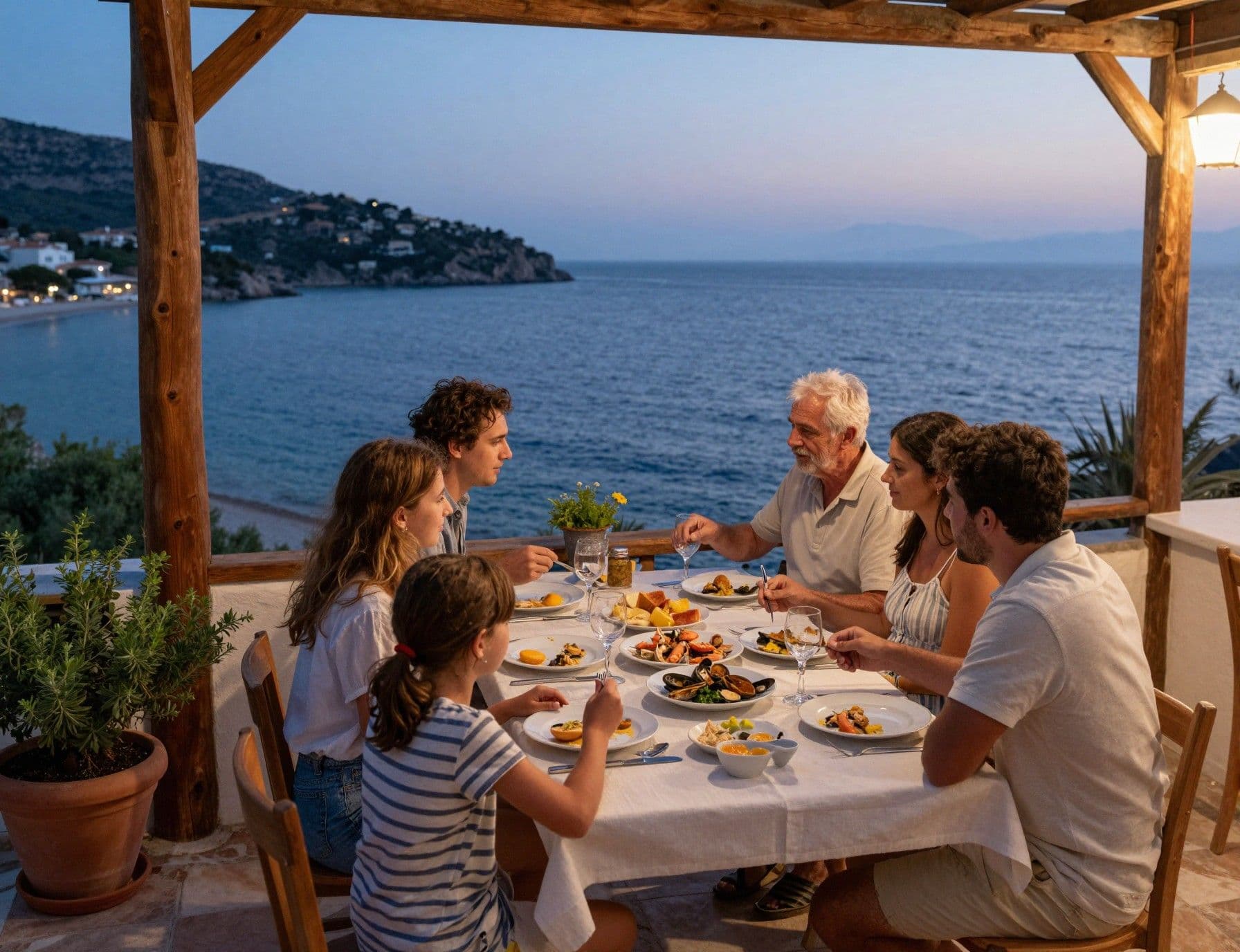
Turning the dream into an address requires reconciling romantic ideas with recurring expenses and one‑off purchase costs. Bank of Greece indices show residential prices rising steadily through 2024–2025, though growth has moderated in some urban micro‑markets. For an international buyer this means two realities: (1) buying sooner can secure a lower entry price in particular neighborhoods, and (2) ownership carries running costs—utilities, municipal fees and maintenance—that respond to climate, building age and island logistics. Consider lifecycle costs as part of acquisition price; a restored stone house in Mani may require higher maintenance than a modern apartment in Thessaloniki but will deliver a different kind of architectural return.
Property styles and the life they support
Greece’s vernacular ranges from Cycladic whitewashed maisons to neoclassical townhouses and modern Aegean villas. A 19th‑century neoclassical in Nafplio offers high ceilings, shuttered windows and communal courtyards—excellent for entertaining but requiring specialist restoration work and occasional seismic retrofitting. Conversely, apartment living in Athens delivers proximity to services, predictable utilities and lower maintenance. Match your property type to the life you want: if convivial outdoor dining and cultivation of a small kitchen garden matter, rural stone houses reward that lifestyle; if convenience and cultural programming matter, a central apartment is more efficient.
- Steps to align lifestyle with practical choices
1. Define daily priorities: transport, proximity to healthcare, and access to producers’ markets. 2. Cost‑map neighbourhoods: compare typical utility bills, supermarket pricing and seasonal travel premiums. 3. Inspect the building: ask for seismic records, construction materials and recent works. 4. Calculate maintenance scenarios: artisan repairs, roof and lime‑wash cycles, and island freight for materials. 5. Pilot the life: rent for a season before buying to confirm that the rhythm matches your expectation.
Insider knowledge: what expats commonly misjudge
Many expats arrive thinking Greece is uniformly inexpensive. That myth collapses once you compare island logistics, boutique market districts and premium heritage properties. Numbeo’s 2026 indices underline a split: everyday living in Greek cities can be modest, but high‑demand pockets—Santorini’s caldera towns, Mykonos main villages, Kolonaki in Athens—carry premiums that rival European resort prices. Equally, buyers sometimes over‑pay for sea view alone when interior quality, thermal insulation and access to services matter more to year‑round comfort.
Cultural integration and the small rules that change neighbourhood choice
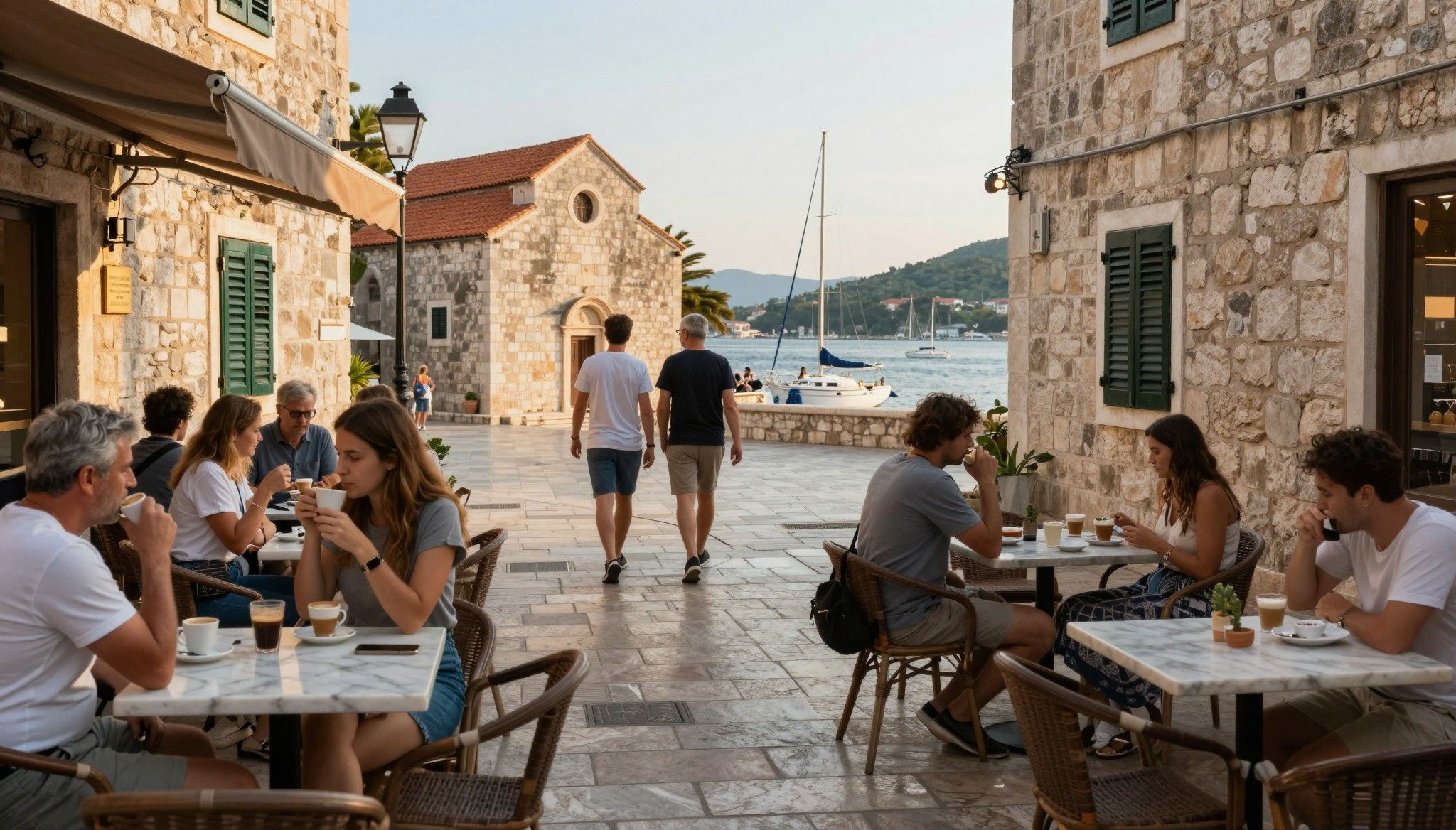
Language is less a barrier than an entry ticket: a few phrases carried with consistent local manners open doors. Social life often centres on small rituals—Sunday family lunch, coffee at mid‑morning, late evening promenades on the waterfront—so neighbourhoods with active piazzas and weekly markets foster quicker integration. For families, proximity to an international or reputable local school will shape neighbourhood decisions more than aesthetics alone. Remember that Greek social networks are relational; a trusted local lawyer or agent smooths introductions and clarifies unwritten expectations.
Long term costs and stewardship
Stewardship matters in Greece. Stone roofs, lime plaster and timber shutters demand periodic attention; neglect accelerates decay. Financially, plan for cyclical maintenance budgets and factor island shipping costs into larger repairs. Alpha Bank and Bank of Greece commentary in 2025–26 point to steady housing demand, which supports long‑term value, but the real investment is in preservation: well‑restored properties age gracefully and tend to outperform generic new builds in desirability and character.
Practical checklist: costs to tally before you buy
- Purchase taxes, notary and registration fees;
- Annual municipal taxes and utility variability by island;
- Maintenance cycles for traditional materials (lime, stone, timber);
- Short‑term rental regulations and potential licensing costs (recent reforms have tightened basement/underground conversions);
- Seasonal transport premiums for islands (fuel, building materials, appliances);
Compile these into a five‑year ownership budget rather than only an upfront purchase figure; that projection often separates a romantic impulse from a sustainable life.
How a local agency becomes your cultural and fiscal translator
A discerning local agency does more than show listings. It introduces you to craftsmen who understand marble sourcing, advises on seasonal service contracts for irrigation and heating, and knows where municipal planning subtly changes a neighbourhood’s character. For international buyers, an agent who lives the local rhythm can point you to undervalued streets—often those off the main tourist axis—where long‑term community life endures and costs align more naturally with authentic living.
- 1. Rent an area for a season to test daily life. 2. Ask an agent for completed maintenance histories rather than only recent cosmetic works. 3. Obtain multiple quotes for restoration works from local artisans. 4. Factor in seasonal logistical premiums for islands. 5. Confirm short‑term rental rules if you plan interim letting.
Conclusion: Greece offers a life shaped by light, markets and convivial ritual; the costs follow a logic that rewards local knowledge. If you prioritise authentic neighbourhood life over postcard views, your euro stretches further and the property becomes a stewarded asset rather than an expense. Begin with a season‑long visit, compile a five‑year cost projection and choose an agency that understands masonry and market cycles as well as menus and market days. That combination turns a Greek house into a home and a sound investment.
Norwegian with years in Florence guiding clients across borders. I bridge Oslo and Tuscany, focusing on legal navigation, cultural context, and enduring craftsmanship.