Buy in Italy’s Quiet Streets: Where Cost Meets Character
A contrarian look at cost and lifestyle across Italy: how quieter streets, seasonality and property type shape living costs—and where value quietly exists.
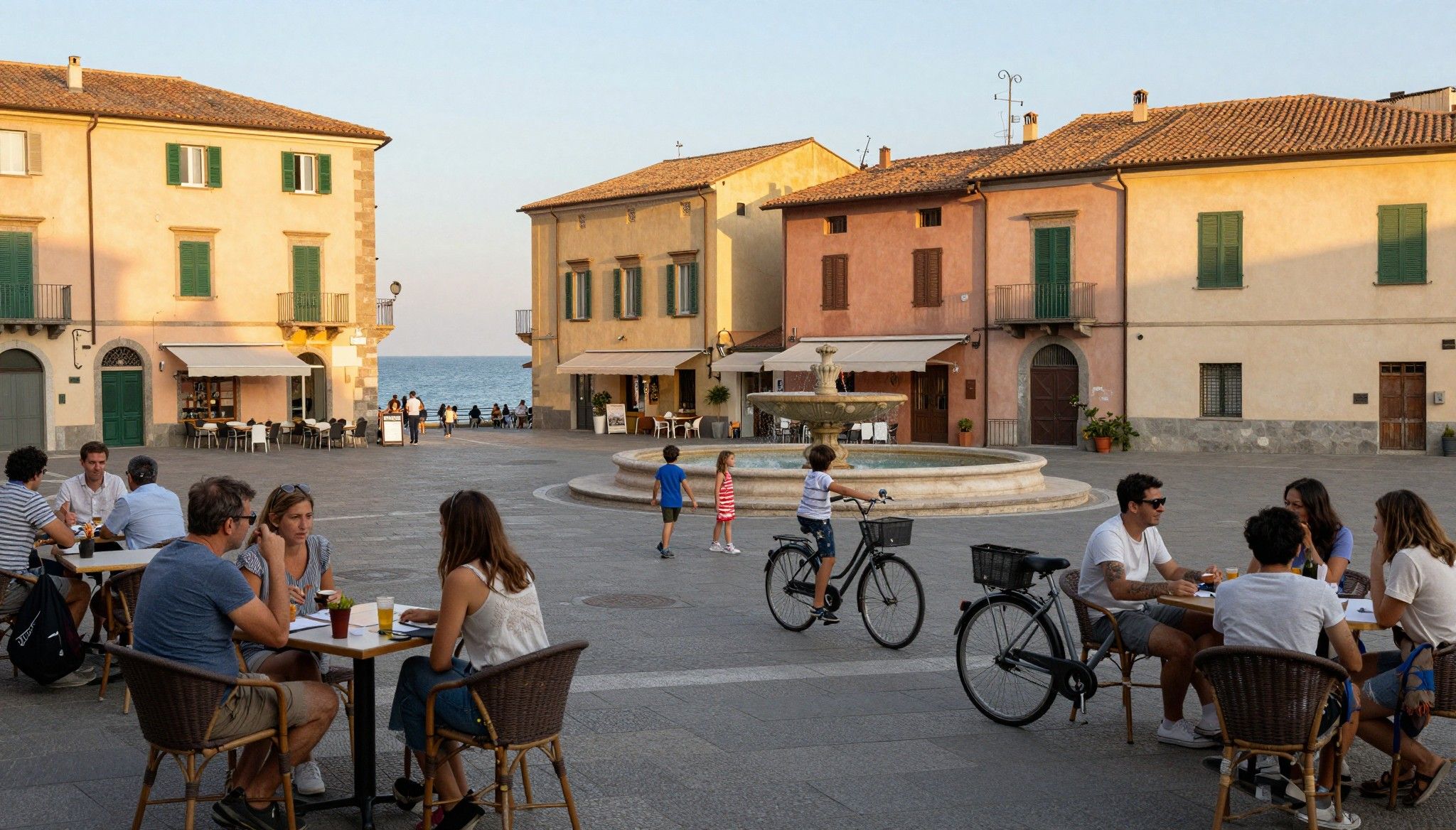
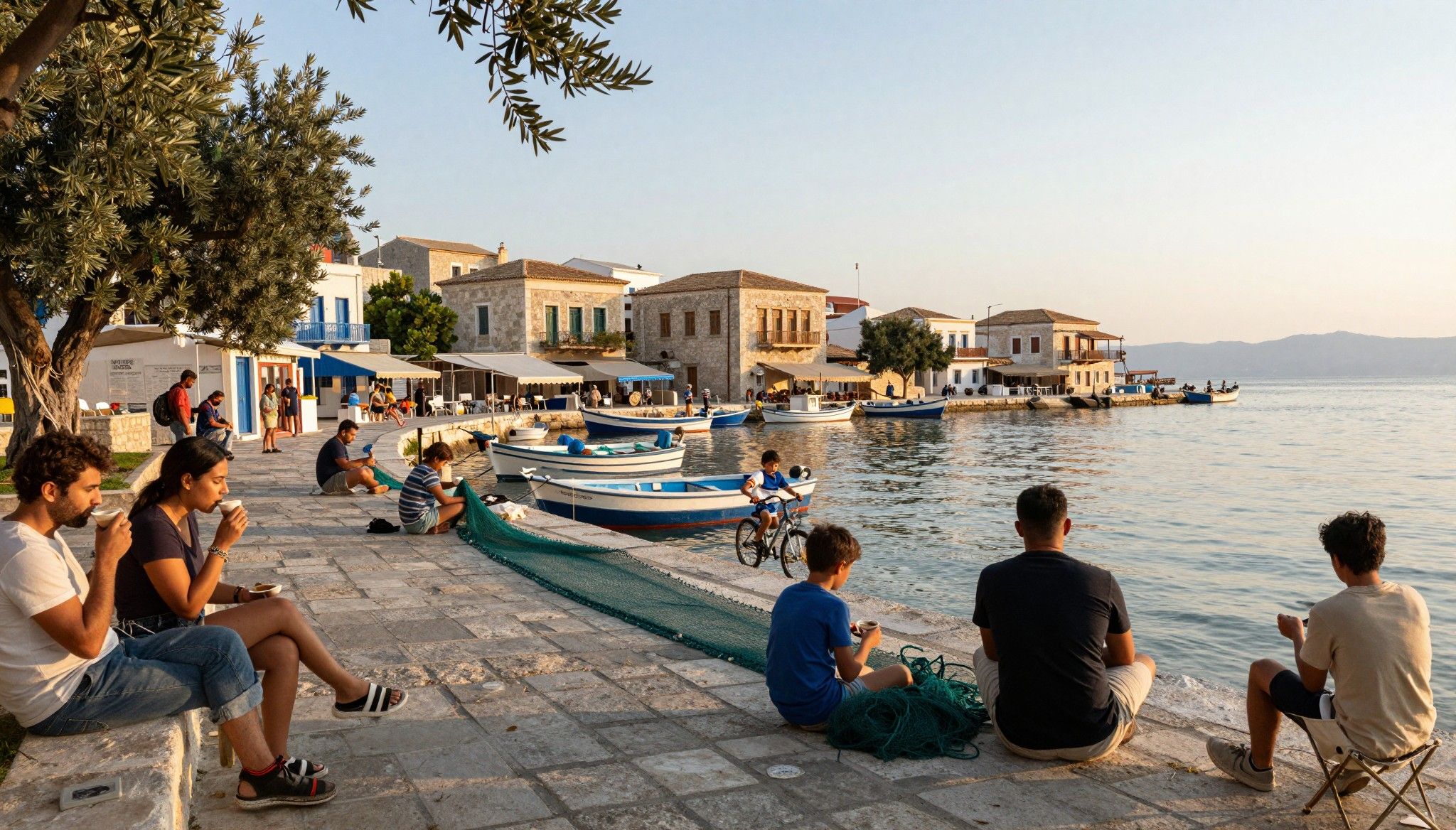
Imagine waking to the smell of espresso and warm brioche on a narrow street where a century of shutters lean into late‑morning sun. In Italy, daily life is composed of layered rituals — slow market mornings, an aperitivo that stretches to dinner, bicycles threading between piazze and palazzi — and for many international buyers that choreography is the primary draw. Yet beneath the romance lies a practical truth: where you buy in Italy matters as much for cost as for charisma.
Living the Italian rhythm: towns, streets and seasons
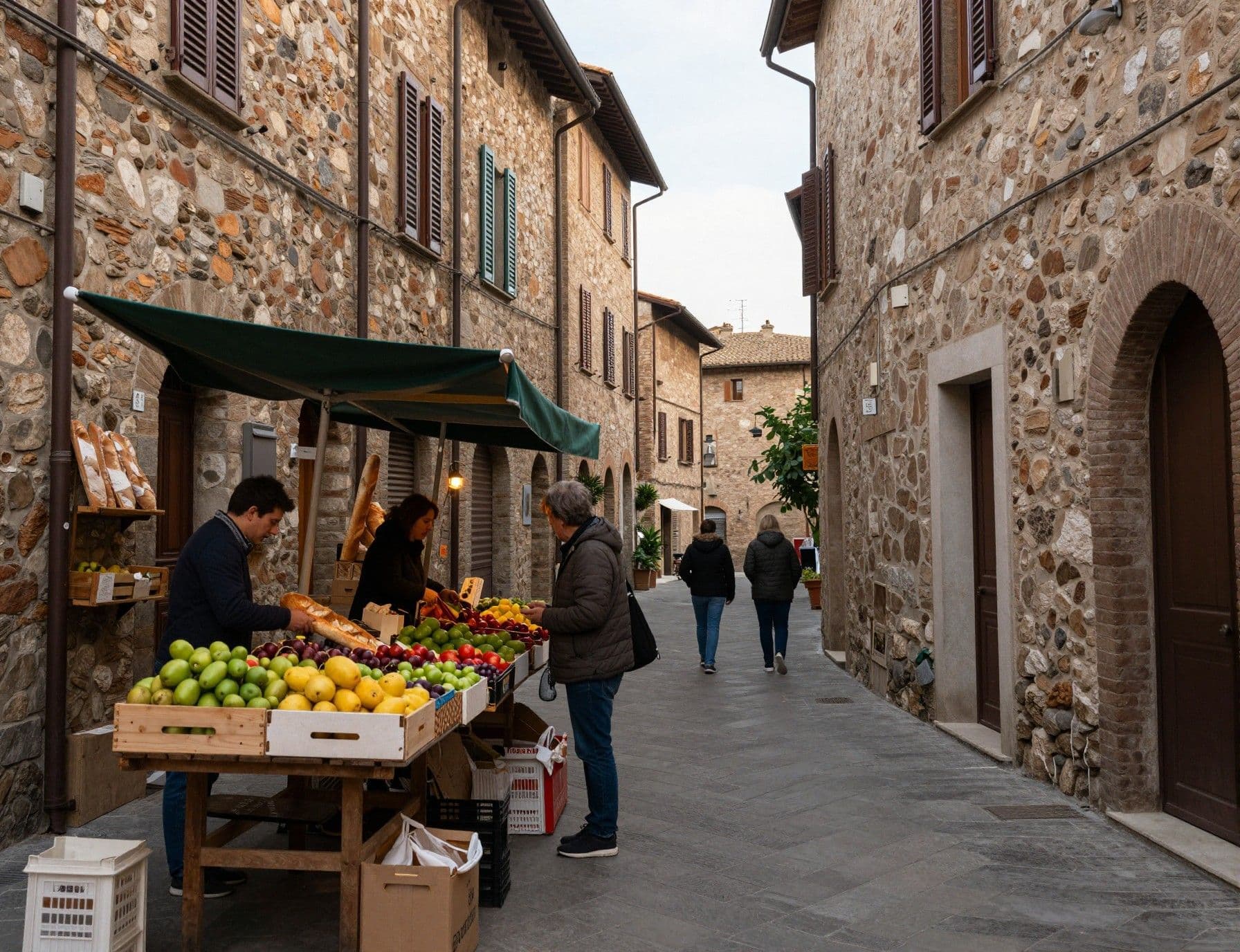
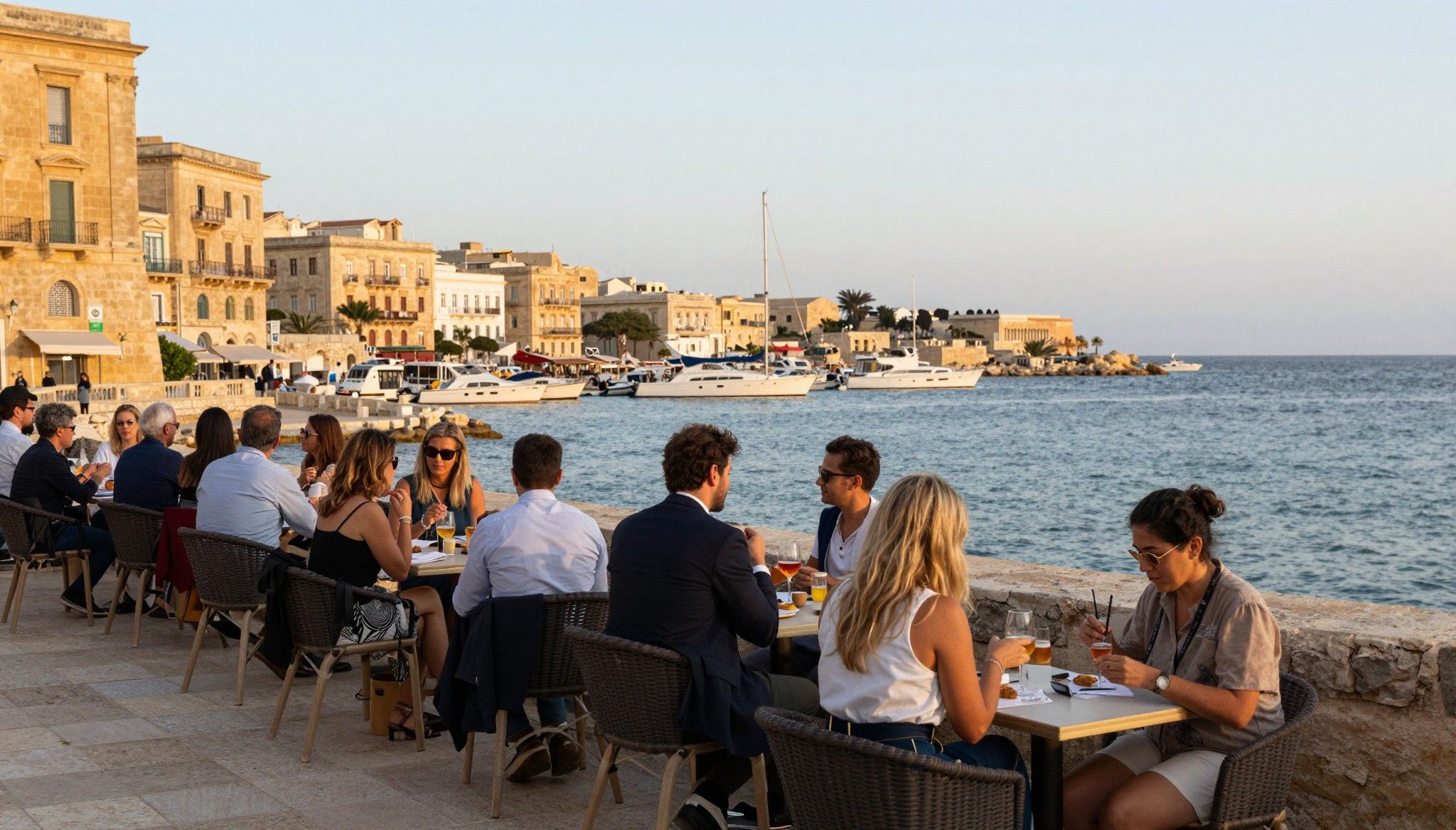
Italy’s character is regional: Milan’s late‑night aperitivi and discreet design shops, Rome’s layered antiquity and neighbourhood trattorie, Tuscany’s slow countryside markets and Liguria’s cliffside promenades. Seasonal rhythms — summer tourists in coastal towns, quieter winters in hilltop villages — shape costs for utilities, services and short‑term rentals. Recent national inflation has been modest, but local price pressure varies by province, which is where opportunity often hides. (See regional CPI and inflation trends for context.)
Neighbourhood spotlight: a street locals prefer over the tourist square
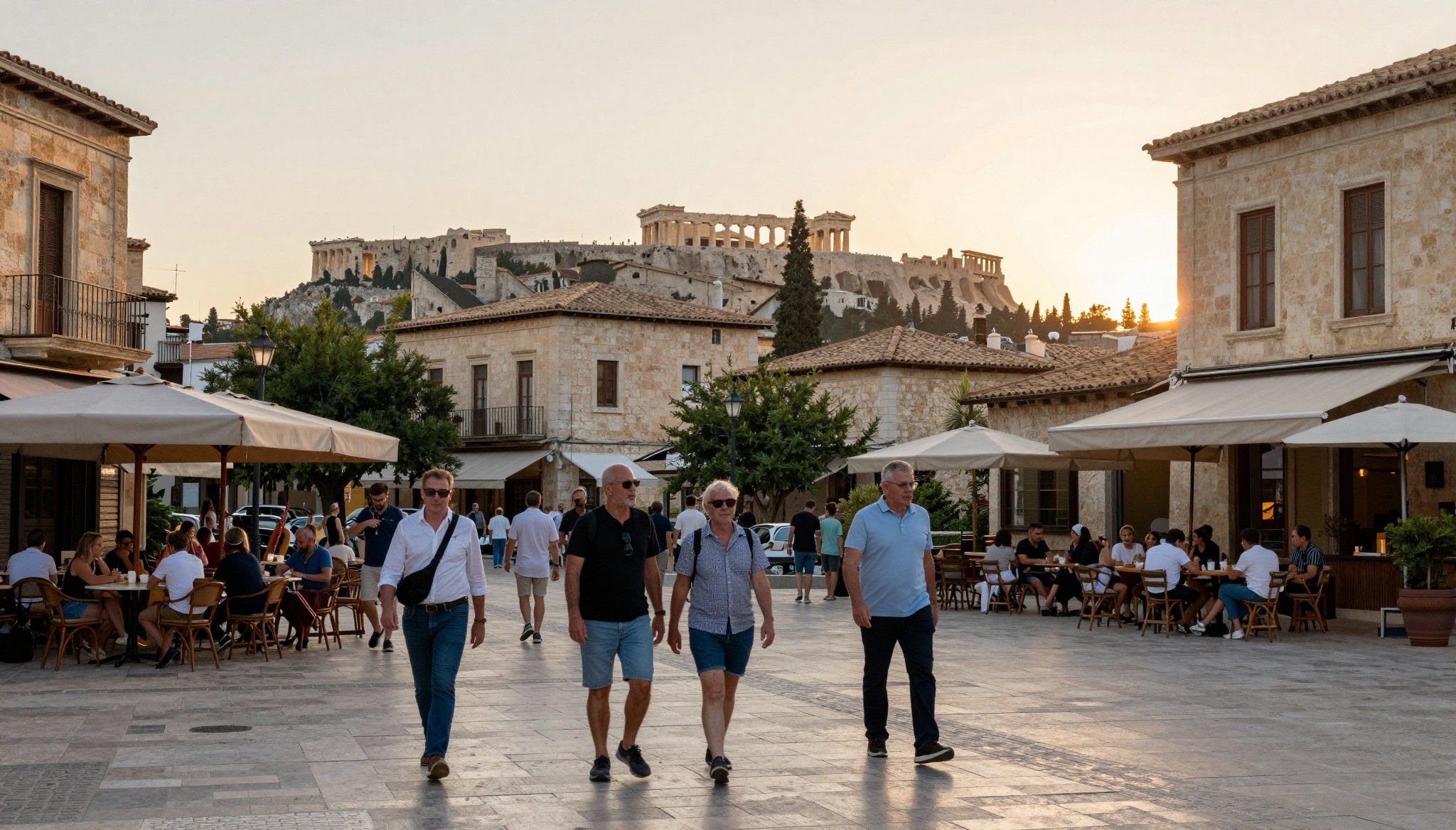
Consider a narrow lane in Florence’s Oltrarno rather than the packed streets around the Duomo: artisan workshops, a morning market at Piazza Santo Spirito, and homes with genuine courtyards rather than tourist‑facing facades. These quieter streets keep maintenance costs lower, attract long‑term tenants, and often sit just a short walk from cultural life — a tradeoff between quiet and proximity that frequently reduces effective living costs without asking buyers to sacrifice authenticity.
Food, markets and small luxuries that shape monthly budgets
Weekly market shopping, a regular espresso at the corner bar, and occasional restaurant meals account for most discretionary spending. In smaller towns, produce and local cheeses are less expensive than in city centres; conversely, imported goods, heating and certain utilities push up household bills in remote hilltop locations during winter. A modest shift of lifestyle — buying from contadini at market rather than supermarkets — often reduces monthly outgoings while enriching everyday life.
- Oltrarno workshops and daily market at Santo Spirito; morning espresso at Caffè Gilli (Florence)
- Riviera promenades and fishermen’s markets in Liguria; informal neighbourhood trattorie in Genoa’s Nervi
- Sunday farmers’ markets in Tuscany’s hill towns — seasonal fruit, local pecorino and friendly negotiation
Making the move: how lifestyle choices change living costs
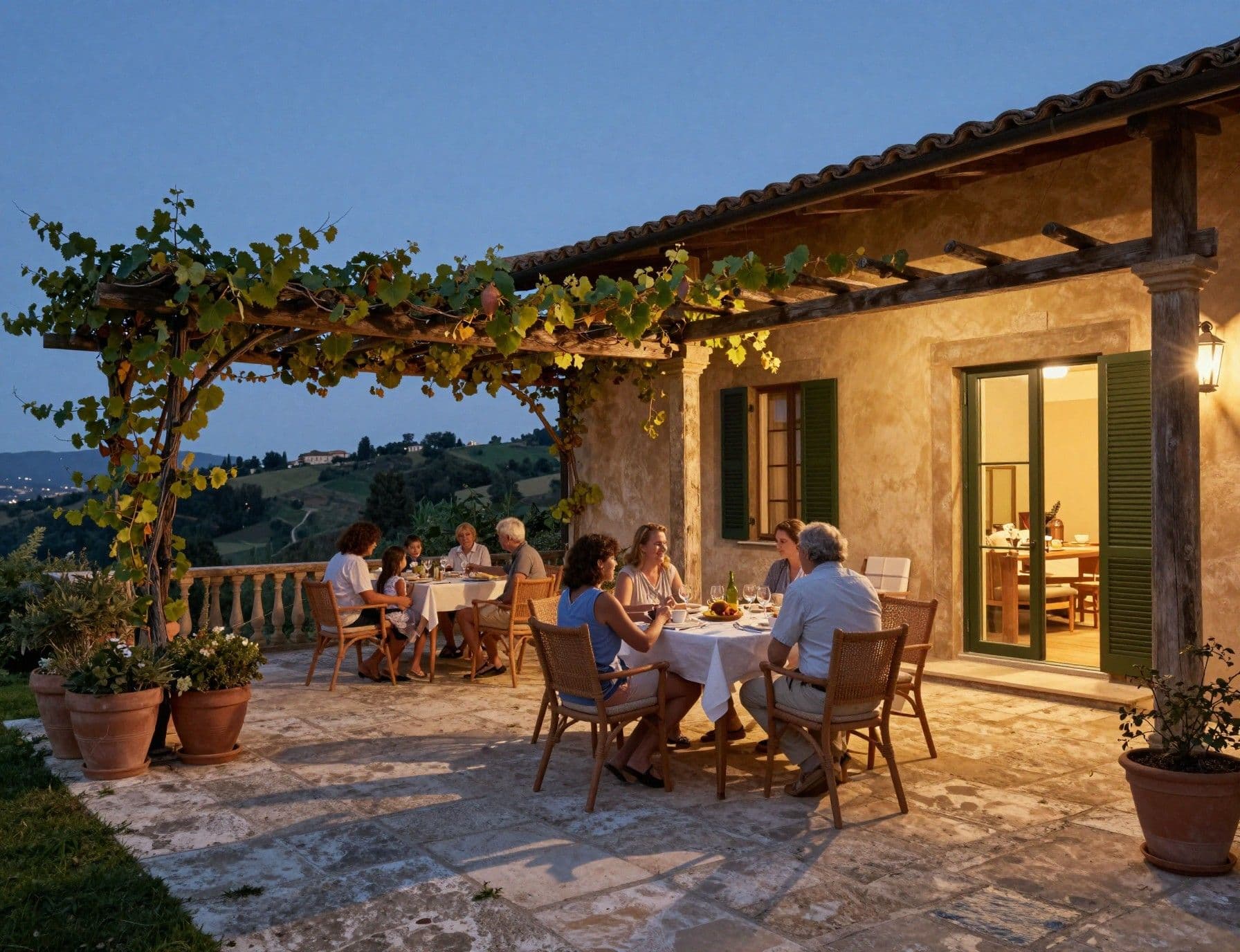
The romantic image of Italy often obscures cost trade‑offs. A restored stone farmhouse in Umbria brings lower purchase prices than a central Rome apartment but higher ongoing maintenance and energy costs in winter. Conversely, a compact apartment in Milan’s Porta Romana may command higher purchase prices yet benefit from lower heating bills, better public transport and steady rental demand. Matching property style to how you intend to live — permanent residence, seasonal use, or rental income — clarifies those trade‑offs.
Property types and the hidden costs they carry
Historic centre flats often have higher condominium fees, complex maintenance and limited parking; rural villas may require well pumps, septic systems and roof work. Buyers who prize character should budget conservatively for restoration and ongoing artisan maintenance. In practice this means a 10–20% buffer over purchase price for near‑term refurbishment plus an annual maintenance reserve that reflects the property’s age and materials.
Working with local experts who understand both cost and character
- Engage an agent experienced in the neighbourhood you love; they know real, not listed, costs.
- Hire an architect or surveyor early to estimate restoration budgets and energy upgrades.
- Talk to a local accountant about region‑specific taxes and exemptions (city vs. rural).
- Visit in both high and low seasons to understand utility costs and neighbourhood life.
Insider knowledge: what expats wish they’d known
Expat owners frequently under‑estimate local bureaucracy and seasonality. In some southern towns, public services slow in August; in alpine villages, heating and road maintenance in winter influence livability. Recent regional data show inflation and price growth are uneven: pockets of rapid rental growth exist in Tuscany and parts of Sicily while many provincial towns remain comparatively affordable. Knowing these microtrends changes both purchase strategy and expected monthly costs.
Cultural integration, language and daily cost choices
Learning local customs — where to buy bread, when shops close for riposo, how to negotiate with market vendors — reduces everyday friction and often lowers routine spending. Communities that welcome newcomers usually reward effort: a trusted baker, a recommended plumber, a local market stall that offers the best seasonal fruit. These relationships translate into a subtler form of savings and a richer life.
Long‑term lifestyle costs and stewardship
Think in decades: a carefully restored farmhouse accrues value through craftsmanship and provenance, while poorly planned modern conversions incur repeated expense. Prioritise durable materials, sympathetic restoration and energy upgrades that respect a property’s fabric — those choices moderate long‑term costs and preserve the investment’s character.
- Budget items to factor in: seasonal heating, artisan restoration, condominium fees, property management for rentals, local service contracts.
- Step 1: Shortlist neighbourhoods after two in‑person visits (high and low season).
- Step 2: Commission a local survey and an energy assessment before offer.
- Step 3: Seek written cost estimates from at least two artisans for likely works.
- Step 4: Agree a contingency fund (10–20%) and a seasonal running‑cost forecast with your agent.
Italy rewards those who buy thoughtfully. The quiet street you choose instead of the headline address will shape not only price per square metre but the texture of your daily life. Match your property type to a realistic view of maintenance, seasonality and community, and you will find costs that align with character rather than contradict it.
Next steps: visit the neighbourhoods that drew you, engage an agent who knows the streets (not just the listings), and commission local surveys before committing. With patience and local expertise, Italy offers a breadth of lifestyles where cost and character can be joined with quiet confidence.
Norwegian with years in Florence guiding clients across borders. I bridge Oslo and Tuscany, focusing on legal navigation, cultural context, and enduring craftsmanship.