Valletta vs St Julian’s: Lived Life and Property Trade‑offs
Valletta’s architectural intimacy, Sliema’s promenades and St Julian’s convenience each shape daily life; align your lifestyle brief with local market realities and expert stewardship.

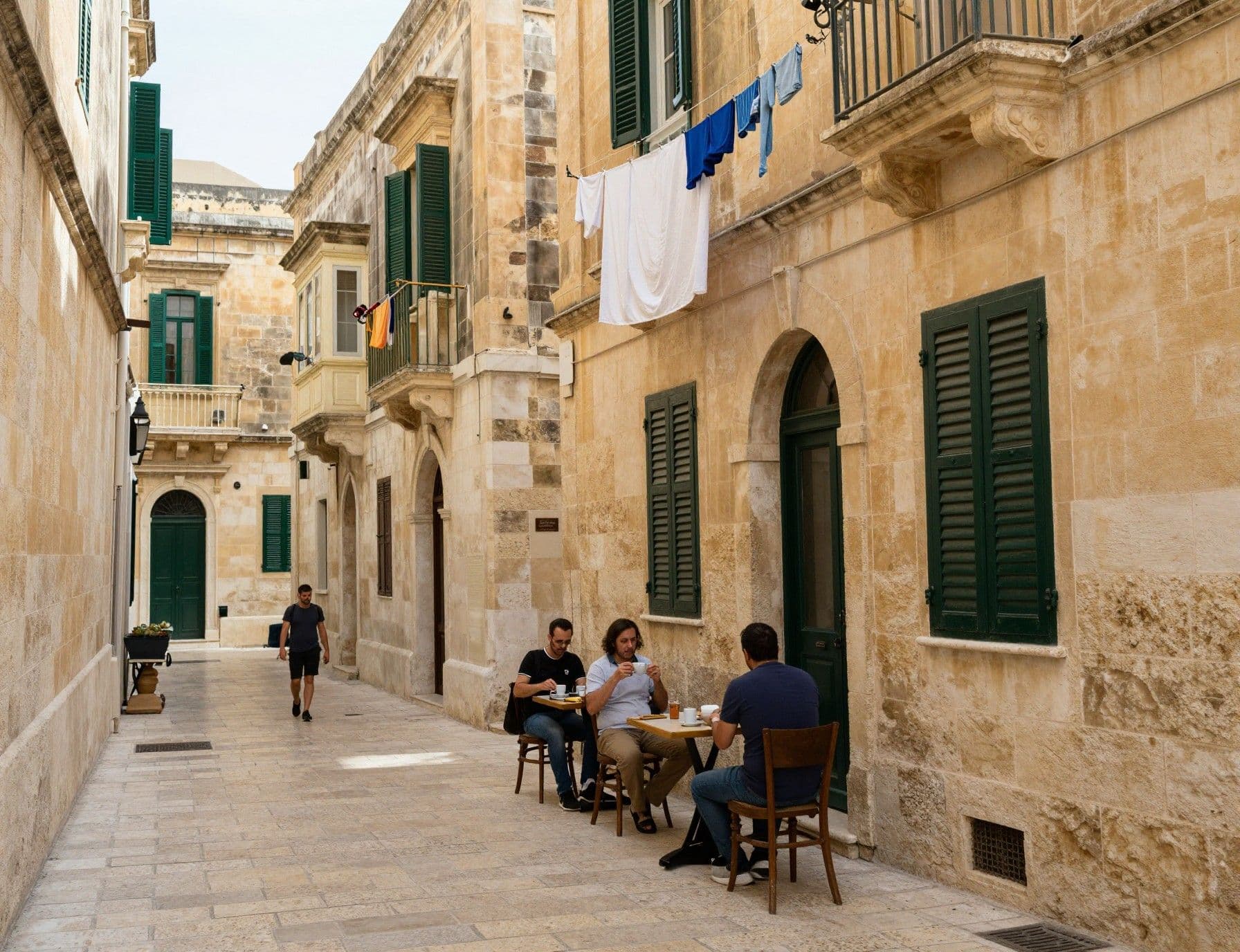
Imagine waking before dawn to the click of espresso cups on a narrow Valletta street, then walking across ochre limestone to a ferry that slips past 16th‑century bastions. In Malta the day moves in small, tactile rhythms: fish markets on Sundays, late aperitifs on ferries, and neighbourhoods that change personality with the hour. This guide places those senses beside the practical: where life feels like the picture you imagined, and where the property decisions make that life sustainable. For buyers who prize provenance, craft and urban intimacy, the island’s trade‑offs—space versus history, light versus convenience—are the point of purchase, not a problem to be solved.
Living the Maltese Life: Atmosphere and Daily Rhythms
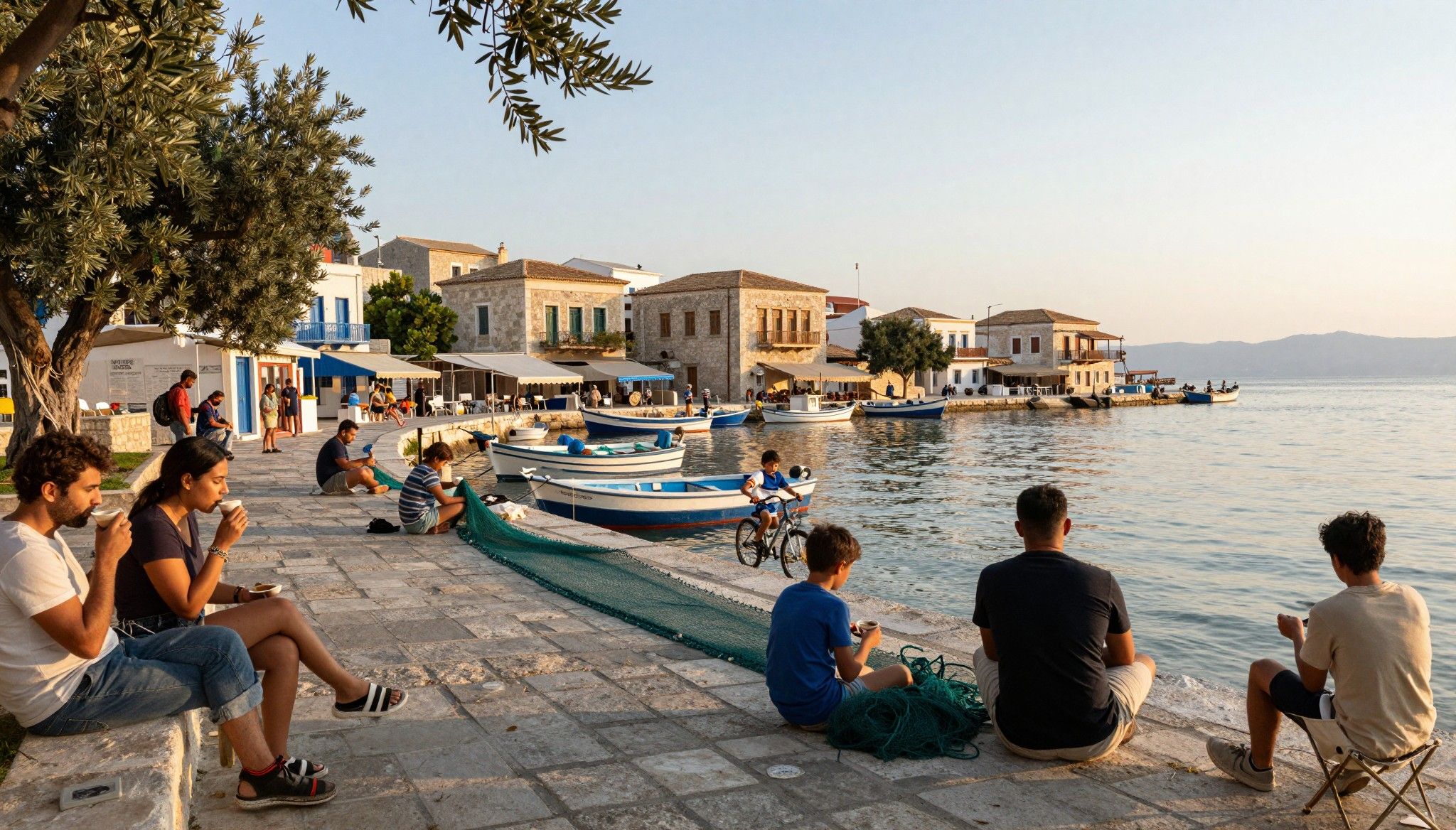
Malta compresses a Mediterranean life into 316 square kilometres of limestone and sea. Valletta carries a measured, architectural cadence: stone staircases, shuttered townhouses and museums threaded with small cafés. Sliema and Gżira tilt toward promenades, boutiques and morning coffee crowds; St Julian’s and Paceville present a livelier, international evening scene. In quieter towns—Marsaxlokk, Mġarr and parts of Gozo—weekends are given over to markets, fishing boats and slow meals. These different paces determine what you buy: a compact maisonette for a cultured urban existence, or a larger terrace home if you plan to entertain and dine outdoors.
Valletta: Architectural life, close to the sea
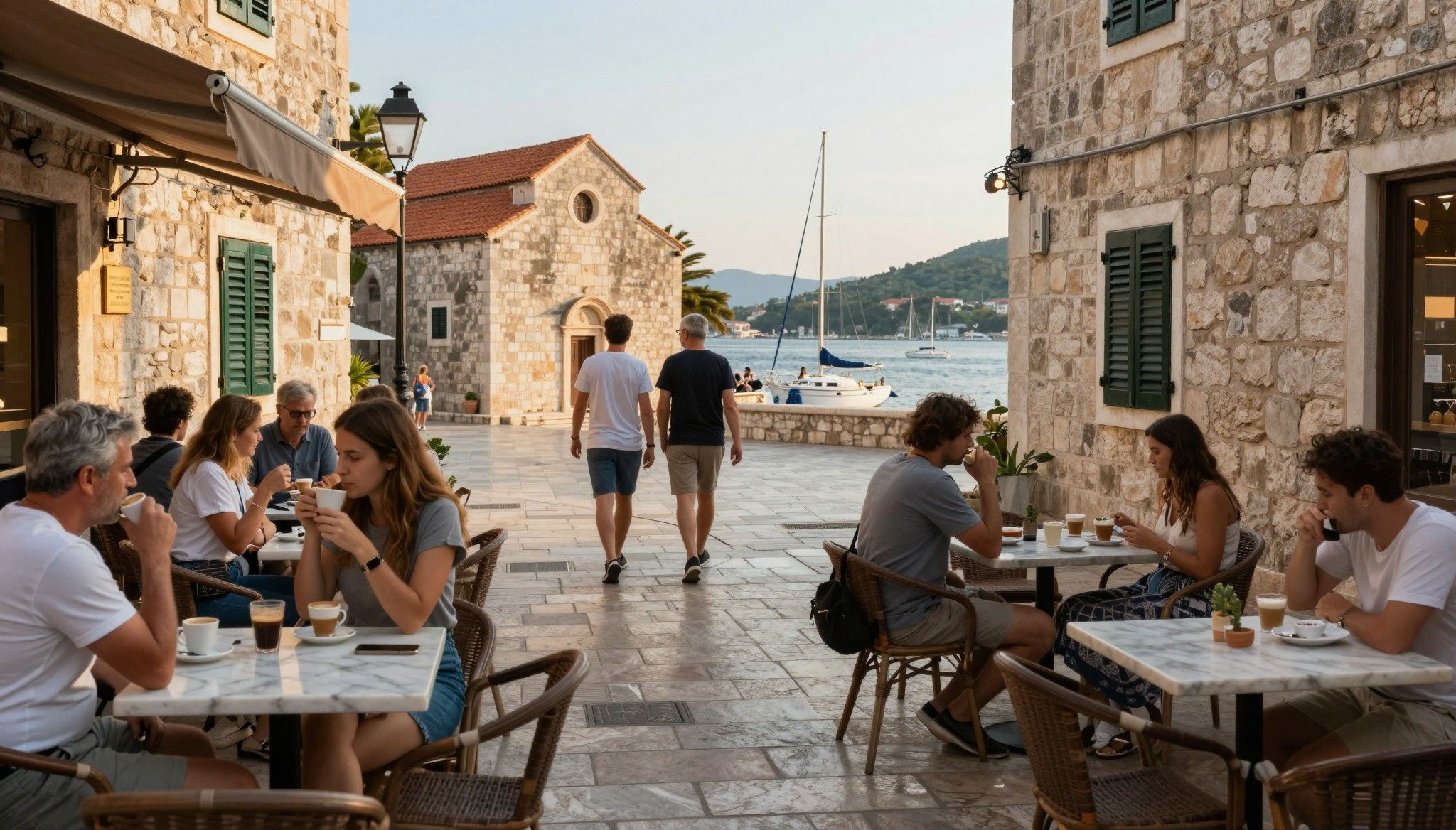
Valletta’s streets reward a slow pace: mornings in Is‑Suq tal‑Belt, afternoons in the Upper Barrakka Gardens and evenings at discreet wine bars on Strait Street. Properties here are often historic—townhouses, palazzini and restored apartments with original cornices and wrought‑iron balconies. Expect smaller floorplates and thoughtful retrofits rather than the generous terraces common elsewhere. For buyers who value architectural provenance and a short walk to cultural life, Valletta is compact perfection; for those requiring parking and open outdoor space, the city imposes constraints that shape renovation choices.
St Julian’s & Sliema: Promenade life and modern convenience
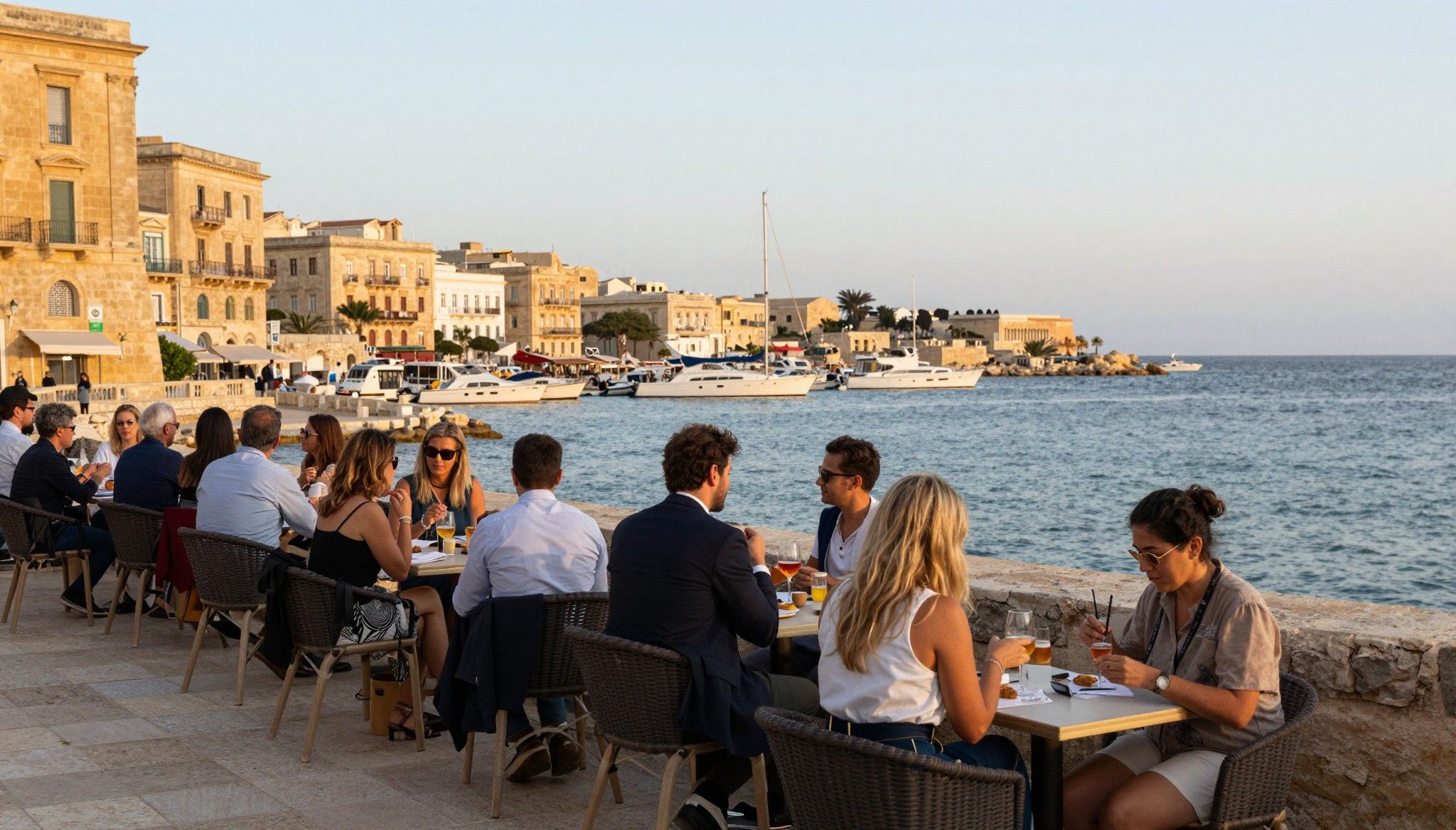
Between Sliema’s seaside terraces and St Julian’s lively waterfront, international cafés, yacht moorings and modern apartments define daily life. You will breakfast on the promenade, schedule meetings mid‑afternoon, and find evening dining that ranges from family trattorie to contemporary seafood. These areas suit buyers seeking immediate convenience—supermarkets, international schools nearby and easier parking—while still offering a strong social scene. Yet they command a premium for that convenience, and new developments can lack the historic character collectors prize.
- Lifestyle highlights across Malta
- Sunday fish market in Marsaxlokk — for fresh seafood and an authentic ritual
- Is‑Suq tal‑Belt in Valletta — restored market stalls and cultured mornings
- Sliema promenade — morning runs, café society and harbour views
- Comino and the Blue Lagoon day trips — summer leisure and neighbourhood getaways
Making the Move: Practical Considerations That Shape Lifestyle
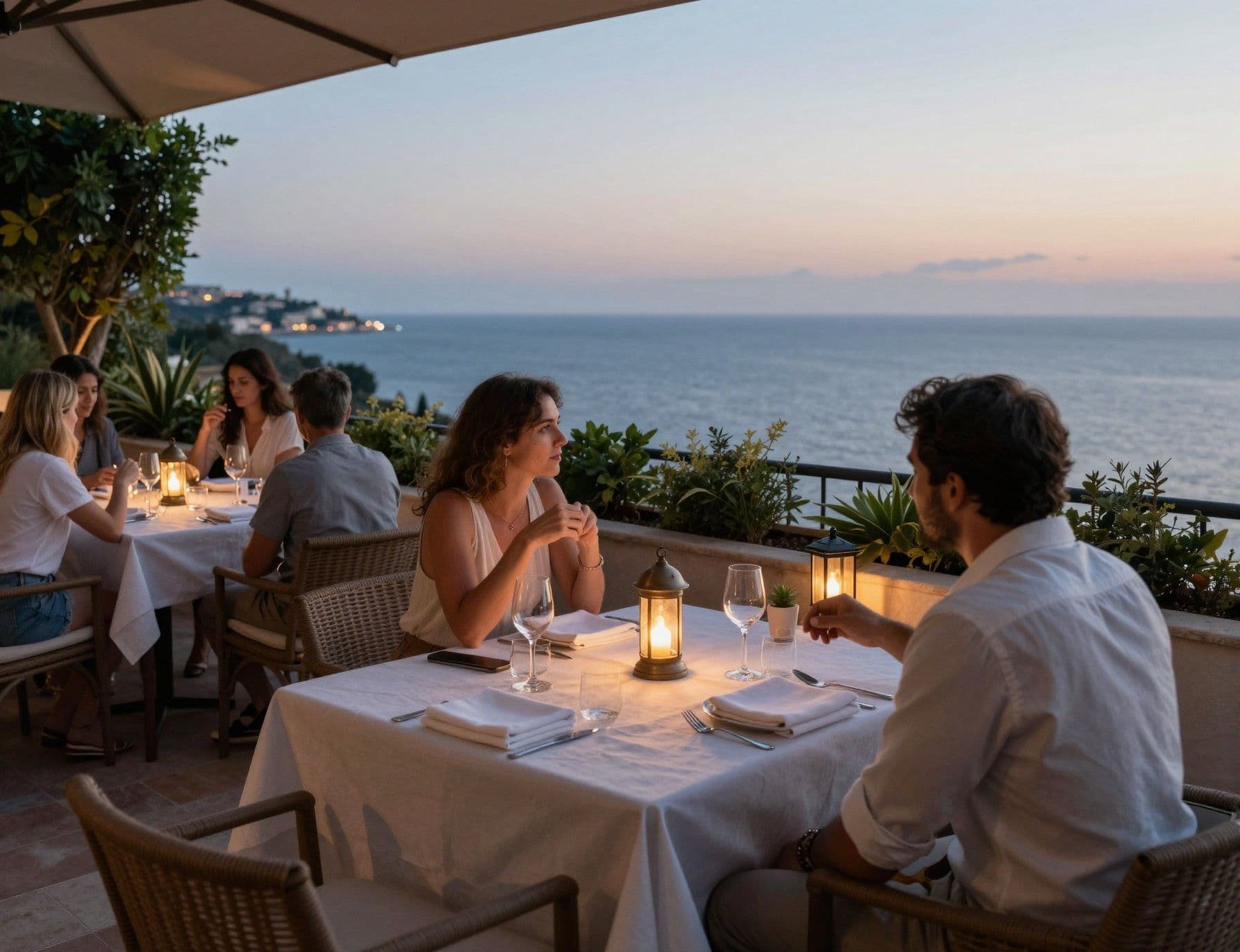
The romance of Maltese living sits beside a compact market and measurable demand. Recent NSO data and industry reports show steady transaction values and persistent buyer interest, which translates to limited supply in central neighbourhoods and rising advertised prices in coastal towns. That reality places a premium on local knowledge: successful buyers couple a clear lifestyle brief with firm criteria on space, light and historic fabric. Below are the property types you will encounter and how they map to daily life.
Property styles and what they mean for living
A 19th‑century townhouse in Valletta offers immediate proximity to museums and the theatre but often requires sensitive retrofit for modern plumbing and insulation. Seafront apartments in Sliema provide views and terraces yet can be thinner on provenance and thicker on service charges. Houses of character in older suburbs and Gozo may offer gardens and scale, with the trade‑off of longer commutes and less nightlife. Consider practical adaptations—double glazing that respects cornices, discreet HVAC, and concealed storage—so the lifestyle you expect will function year‑round.
Working with local experts who know the lifestyle
Choose agents and architects who speak both the language of design and local process. A good local agent will identify period features worth preserving, advise on realistic renovation costs and reveal off‑market townhouses before they are publicly listed. Architects experienced in Maltese limestone work can preserve mouldings while improving thermal comfort; solicitors familiar with local conveyancing will flag registration timelines. These experts convert a lifestyle brief—terrace for dinners, study for remote work—into an executable purchase plan.
- Steps to align lifestyle with purchase (practical + lived)
- Articulate daily routines first: where you’ll work, entertain and rest.
- Shortlist neighbourhoods by weekday and weekend behaviours, not by price alone.
- Interview local agents and an architect to test restoration costs against your lifestyle brief.
- Plan for seasonality: schedule viewings in shoulder months to see neighbourhood life without tourist distortion.
Insider Knowledge: What Expats Wish They’d Known
Many expats arrive enchanted and learn quickly that Maltese life is social and local. English is an official language, which eases everyday life, yet acceptance into neighbourhood circles often follows repeated presence—regular café orders, attendance at parish festas, contribution to community life. Some buyers underestimate the intensity of the summer season: while beaches and harbours brim with life, the quieter months reveal whether a neighbourhood suits year‑round living. Practicalities—parking, delivery access for renovations, and noise from seasonal tourists—frequently outpace headline taxes or residency rules in day‑to‑day significance.
Cultural integration and everyday connections
A ritual such as a Sunday visit to Marsaxlokk’s fish market will introduce you to fishmongers, restaurateurs and neighbours who become practical resources. Volunteering at a festa committee or joining a local club accelerates trust and opens doors to unreleased properties. Language is rarely a barrier, but social fluency—respect for local rhythms and the ministry of small courtesies—matters. Expect to be judged, in a kindly Maltese way, by how you care for a stone house or a small garden: stewardship confers social capital.
Long‑term lifestyle considerations
Malta’s constrained land supply and steady demand suggest values will hold, especially for architecturally significant properties. Yet buyers should think beyond acquisition: maintenance of limestone façades, sensible modernization and neighbourly agreements on shared fabric determine longevity. For those planning to split time between Malta and another home, choose properties with low‑maintenance footprints or reliable local property managers. Stewardship—both cultural and practical—turns a purchase into a legacy.
Conclusion: Where lifestyle and judgment meet the market
If you come to Malta for its light, stone and the intimacy of its towns, accept that the purchase is as much about stewardship as ownership. Pair your lifestyle brief with diligent local advice: agents who value heritage, architects steeped in limestone technique, and solicitors who move calmly through the registration process. Visit in shoulder seasons, prioritise lived‑in neighbourhoods you can imagine every day of the year, and allow the island’s compactness to be an asset rather than a constraint. When lifestyle and technical judgment align, Malta rewards with a life both vivid and quietly enduring.
Dutch former researcher who moved to Lisbon, specialising in investment strategy, heritage preservation, and cross-border portfolio stewardship.