Skip the Sea‑View Hype: Where Greek Value Hides
A stylish reassessment of Greek property priorities: why proximity, provenance and seasonality often matter more than a headline sea view for lasting lifestyle and value.
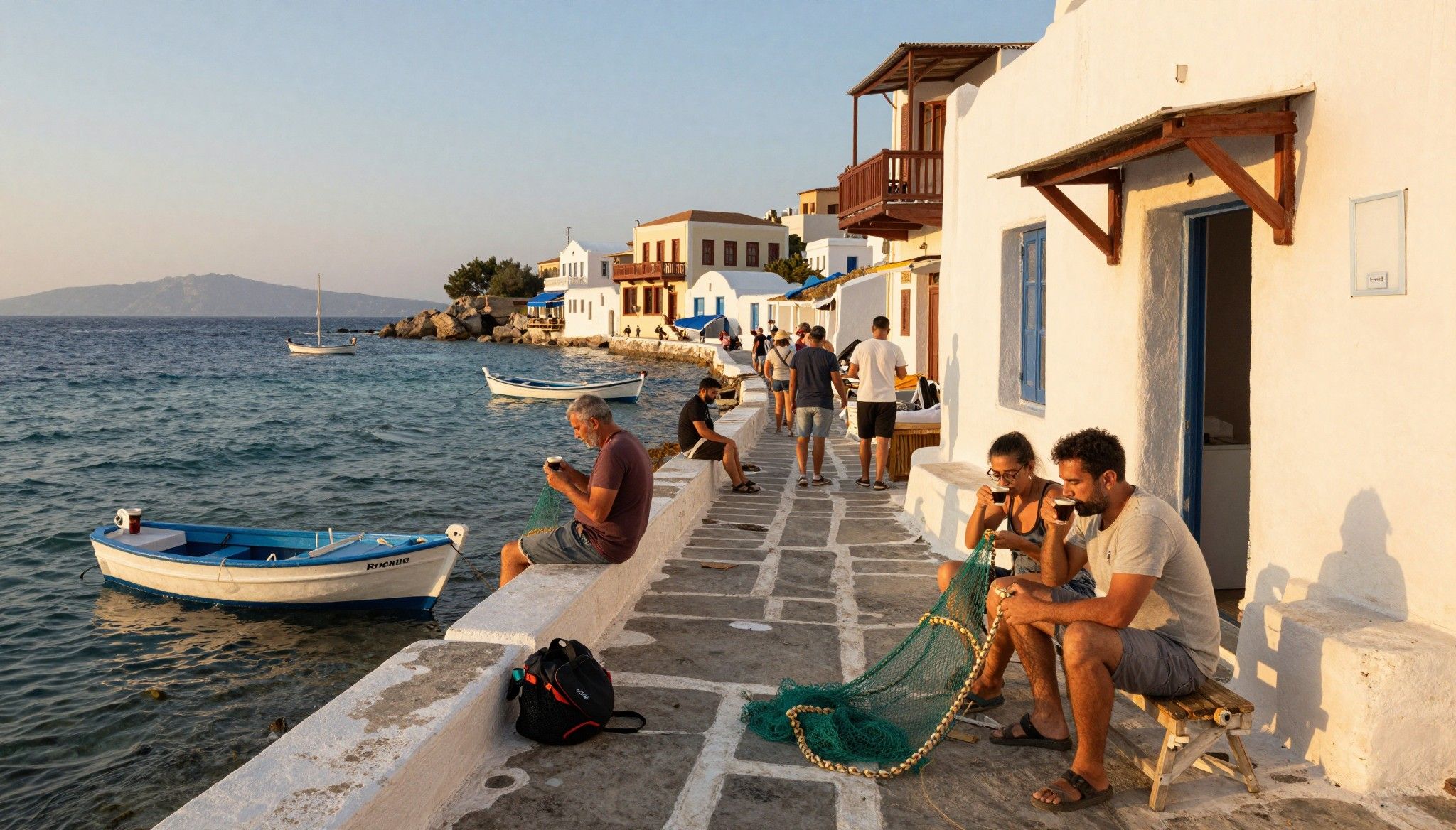
Imagine a late‑afternoon espresso outside a neighbourhood kafeneio while fishing boats slip by in the distance. In Greece the romance of a sea view is everywhere, yet the property decisions that preserve a life of quiet mornings and reliable year‑round income are seldom about vistas alone. Recent market analysis shows notable regional divergence in prices and rental performance; understanding where lifestyle and value intersect changes how — and where — you should look.
Living Greek Life: More Than a View
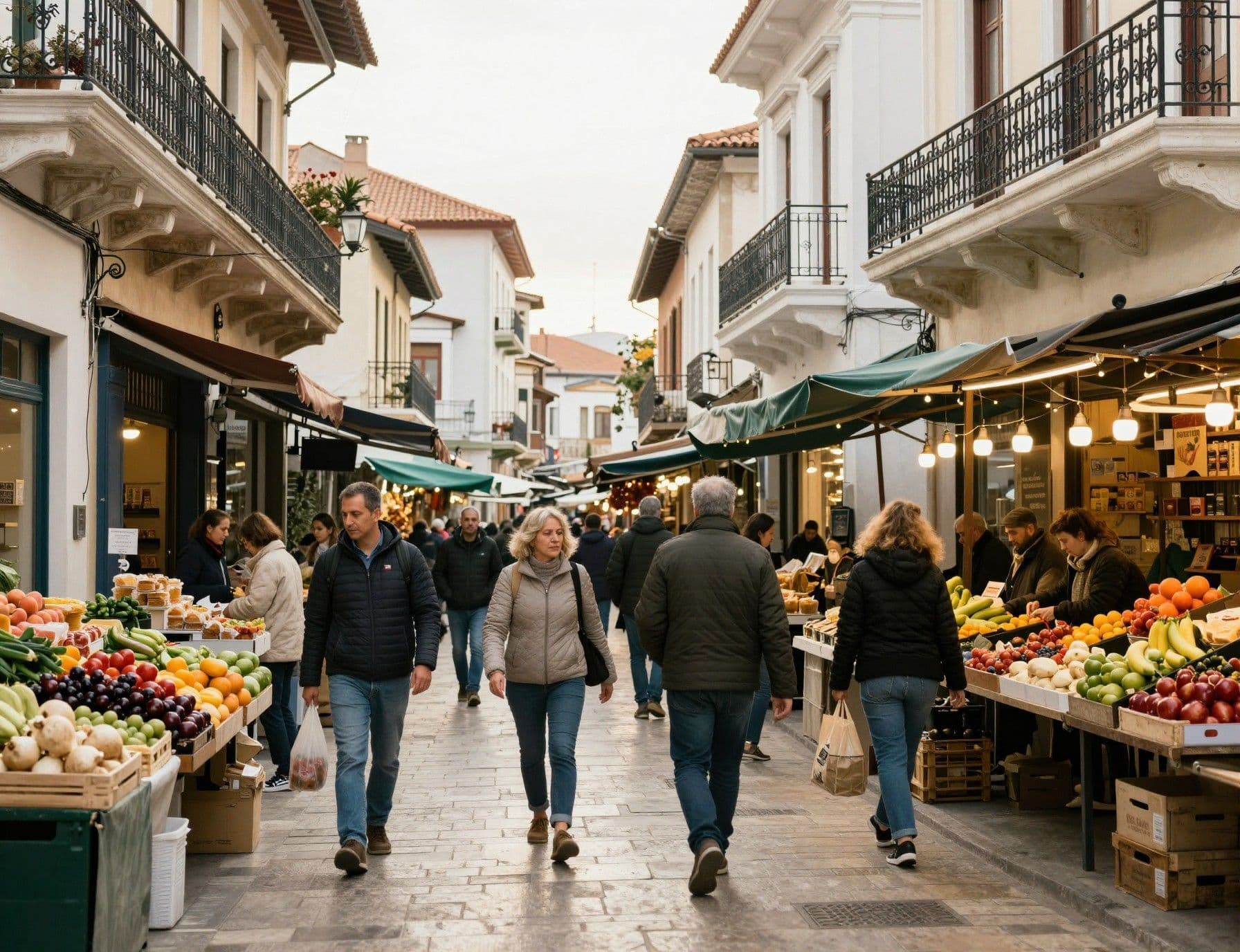
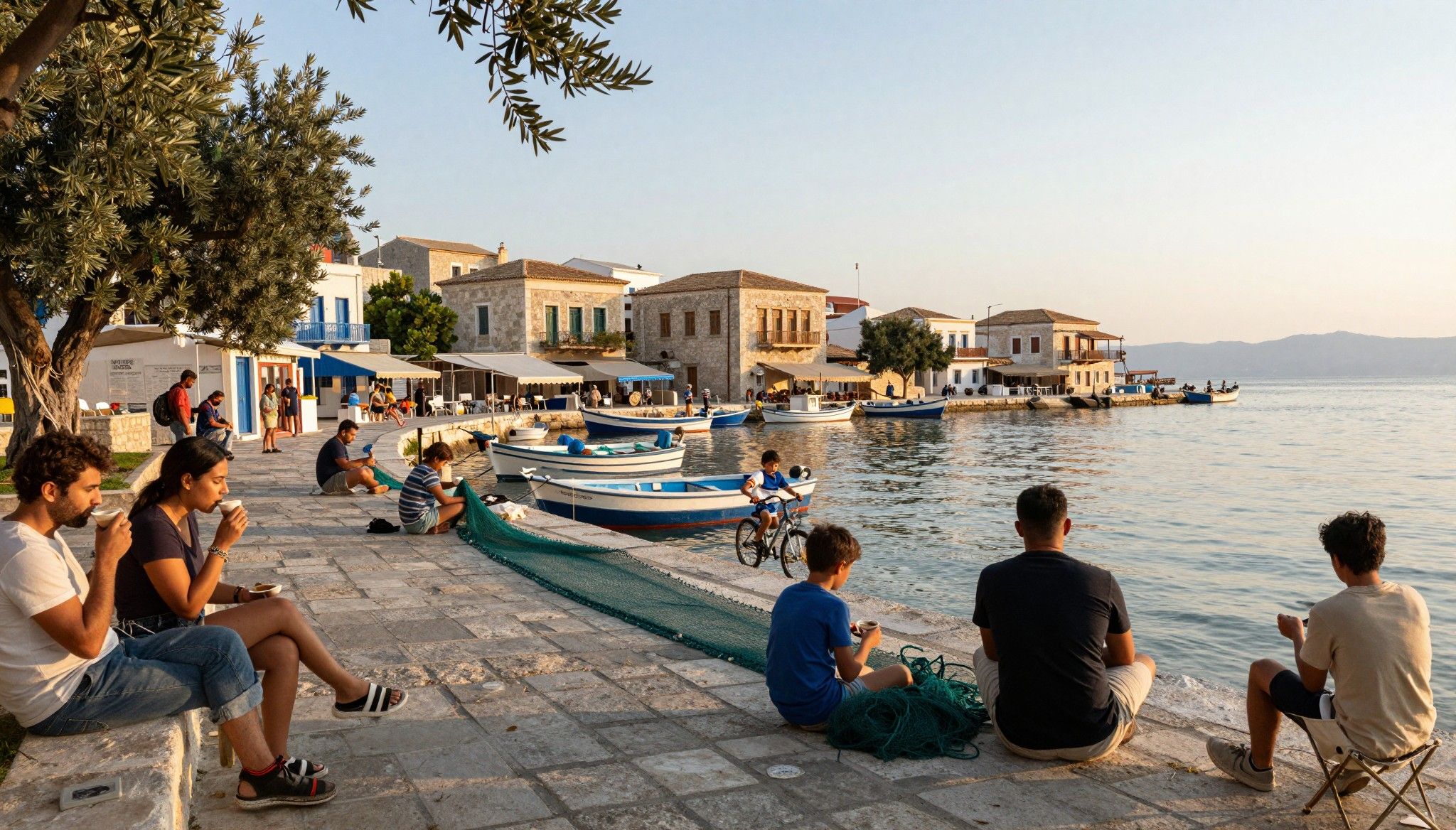
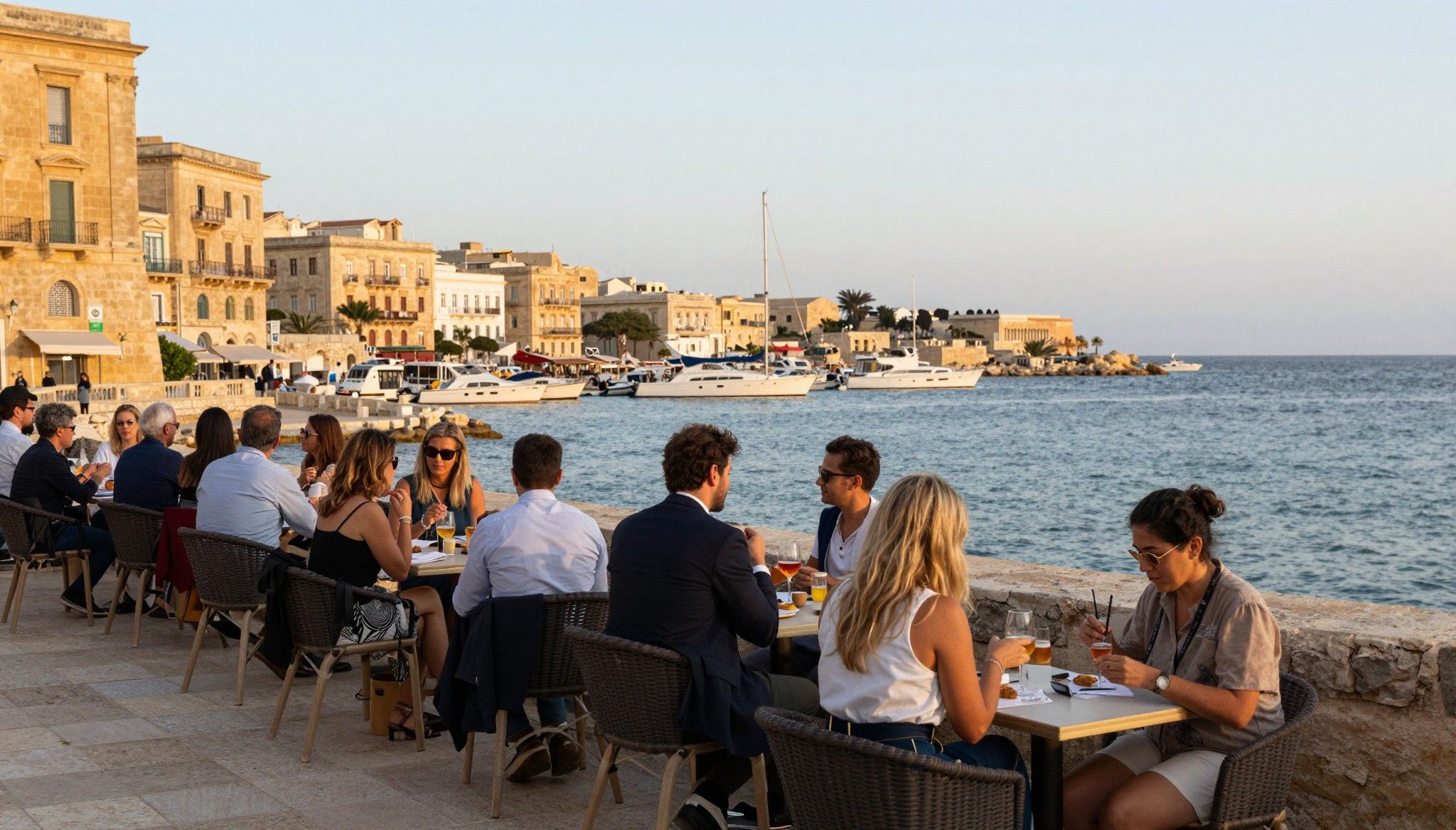
To live well in Greece is to inhabit rhythms set by light, market days, and the seasons of the sea. City mornings begin in narrow streets with patisserie steam and municipal tram bell; island days are shaped by tavernas that open with the catch and close when the wind drops. These rhythms determine what a property must deliver: proximity to services, sheltered terraces, and winter warmth often matter more than an uninterrupted horizon.
Athens: Urban Texture Over Panorama
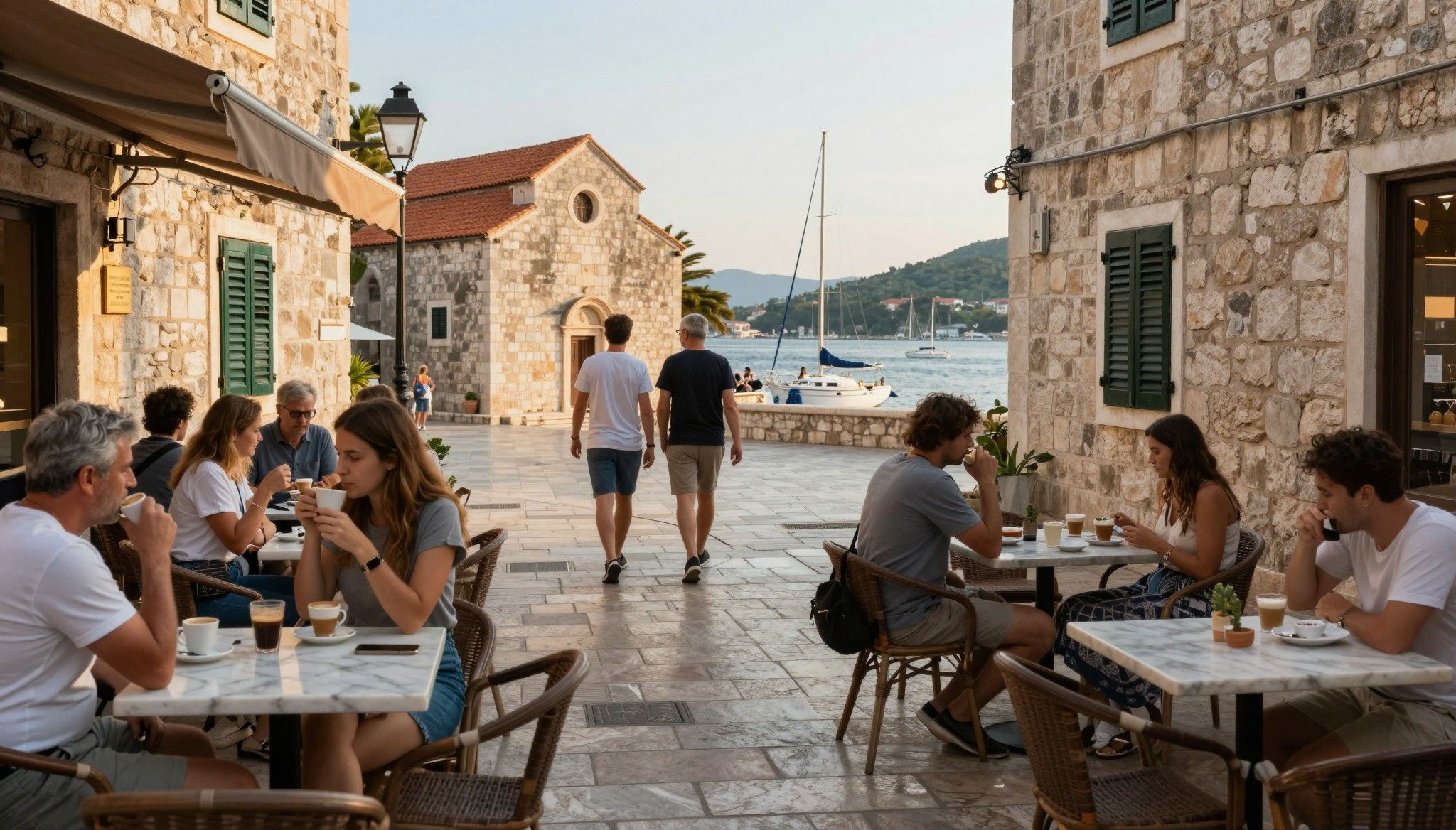
In Athens, neighbourhood character is the asset. Walkable streets in Kolonaki, Kifisia or Pangrati bring cafes, galleries and daily life to your front door — amenities that sustain long‑term rental and resale demand. An apartment on Voukourestiou that trades a sea view for an address in Kolonaki may outperform a coastal pied‑à‑terre the same size because it delivers year‑round urban life, transit access and a stable clientele.
Islands: Microclimates, Micro‑Markets
Not all islands are interchangeable. Mykonos and Santorini carry premium seasonal yields but also higher operating costs and intense regulatory scrutiny of short‑term rentals. Lesser‑known islands such as Naxos, Syros or Kefalonia often offer quieter seasons, lower acquisition prices and a stronger sense of community — factors that favour a lived‑in property over a postcard view.
- Lifestyle highlights that often beat a sea view
- A central Athens apartment two minutes from a morning market and the metro
- A hillside village house with a sheltered courtyard and winter heating
Making the Move: Practical Considerations
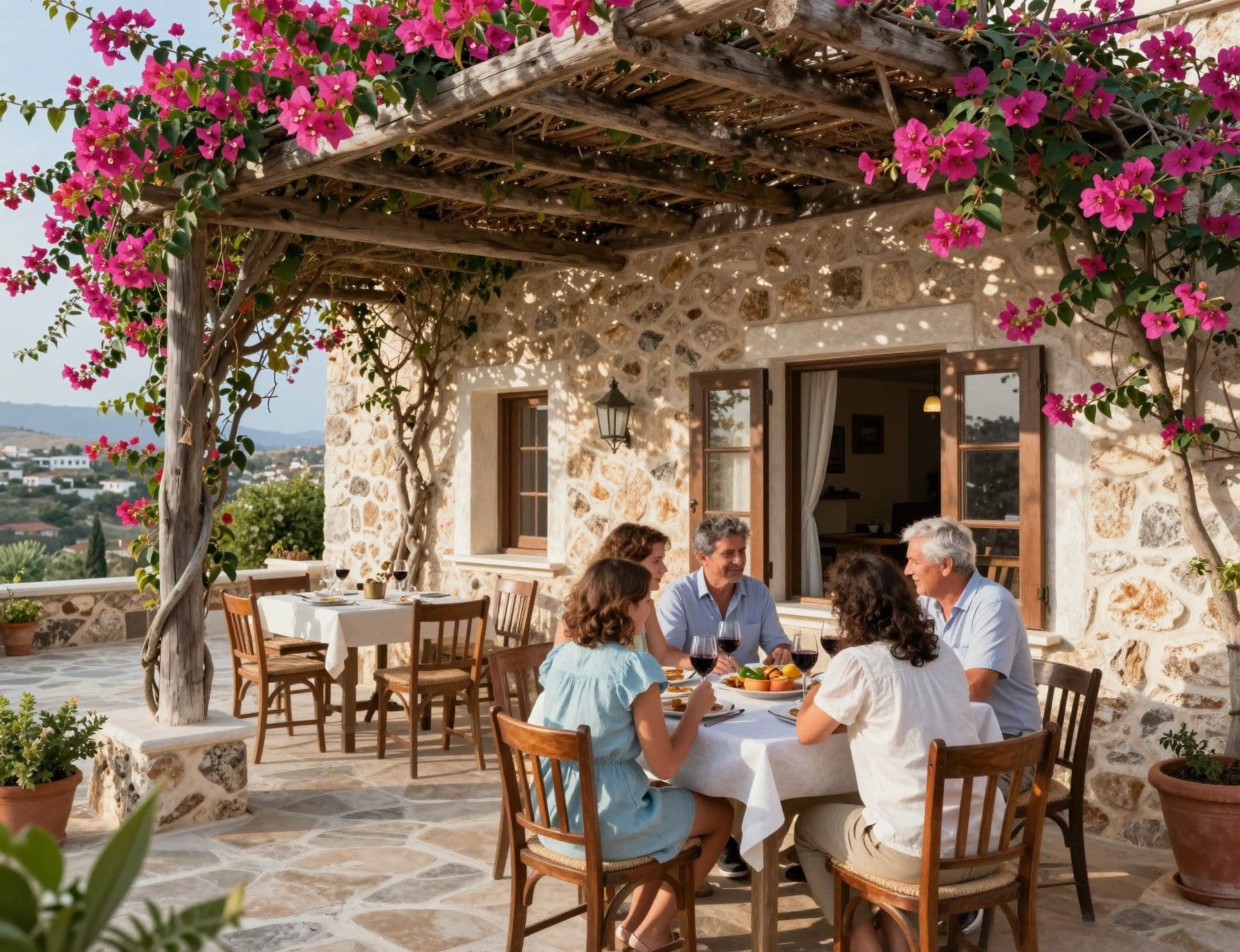
Lifestyle begins the conversation; practicalities finish it. Recent legal changes to the residency‑by‑investment framework and clear house price momentum across regions mean timing, location and contract terms are now more important than ever. Buyers should blend lifestyle priorities with an assessment of regulatory risk and local market dynamics to find durable value.
Property types that suit daily life
A restored neoclassical apartment in Plaka provides generous proportions and thermal mass; a modern shell in Elliniko offers infrastructure and connectivity. Choose by how you will live: courtyards and thick stone walls for winter comfort, covered terraces and shaded loggias for summer months, efficient insulation and heat sources where altitude or northern winds matter.
Local experts who protect the lifestyle
A local agency is valuable when it reads neighbourhood rhythm — which cafés close in August, which streets host weekly markets, where parking is actually available. Look for advisers who can show provenance for a property, speak to the restoration work, and outline realistic operating costs rather than promising headline yields based on peak summer rates.
- Steps that marry lifestyle with sound buying
- Visit the neighbourhood at different times — weekday morning, market day, and an evening — before making an offer.
- Ask for operating histories: utility bills, rental calendars and recent maintenance invoices for any income assumptions.
- Require documented proof of restoration quality and local permissions for any converted or re‑purposed building.
Insider Knowledge: What Expats Wish They’d Known
Expat buyers often recount the same surprise: the neighbourhood you love in June can feel very different in December. Market data show national price growth concentrated in specific areas, which means pockets of value remain for those who prioritise year‑round life over summer premium. Practical knowledge — how utilities work, winter road access, municipal maintenance cycles — keeps a lifestyle plan intact.
Cultural integration and daily life
Learning a few phrases and attending local festivals opens doors. Many communities value reciprocal small‑talk at cafés and market stalls; participation matters more than perfection. Community ties also protect properties: local caretakers, reliable builders, and neighbours who notice unusual activity form an informal safety net that a remote sea‑view property often lacks.
Long‑term stewardship and resale
Think like a steward: choose materials that age beautifully, prioritise structural soundness over fashionable finishes, and document every intervention. Properties that respect local fabric — whether a Cycladic stone house or an Athenian townhouse — retain cultural value and attract buyers who appreciate provenance rather than transient trends.
- Red flags to watch for
- Unclear title history or missing permission documents for conversions
- Properties dependent on short‑season rental income without documented operating records
- Homes with high exposure to seasonal winds or access issues that leave them isolated in winter
If you love the sea, keep it on the checklist — but balance it against everyday comforts: a shaded market square, a dependable village baker, and neighbours you see in January. These are the qualities that make a house into a home and an investment into a legacy.
Conclusion: Where to begin next
Begin with a short, purposeful reconnaissance: three neighbourhood visits, a local agent who values provenance, and a review of municipal and title records before an offer. In Greece the sweetest returns often come from properties that deliver everyday life gracefully, not from the most photographed terrace. When you prioritise lived experience, both lifestyle and value align.
Relocating from London to Mallorca in 2014, I guide UK buyers through cross-border investment and tax considerations. I specialise in provenance, design integrity, and long-term value.