Off‑Season Advantage: Buying in Malta’s Quiet Months
Why off‑season viewings and local stewardship matter in Malta: official indices show steady growth, but seasonality and provenance create the real buying opportunities.
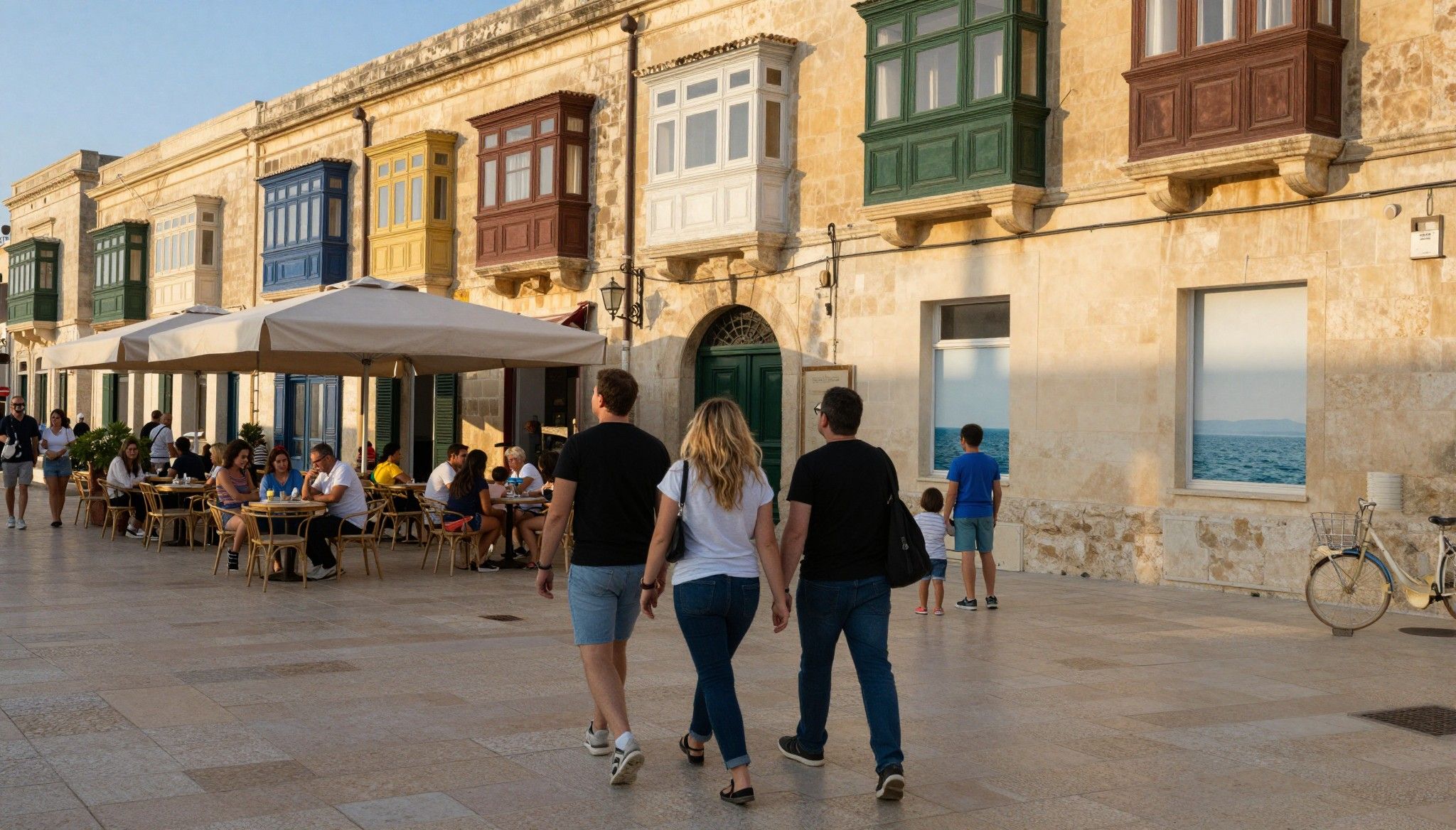
Imagine stepping out at dawn onto a narrow limestone street in Valletta, the air carrying espresso steam and sea salt, local shopkeepers unlocking their shutters while an elegant Maltese townhouse collects the first light on its balcony. For many international buyers the island’s postcard calm is the promise; the reality is a compact market where seasonality, festivals and shoreline sit side by side with steady price growth. Understanding when to look—often contrary to popular advice—changes what you can buy and where you feel at home.
Living the Maltese Life
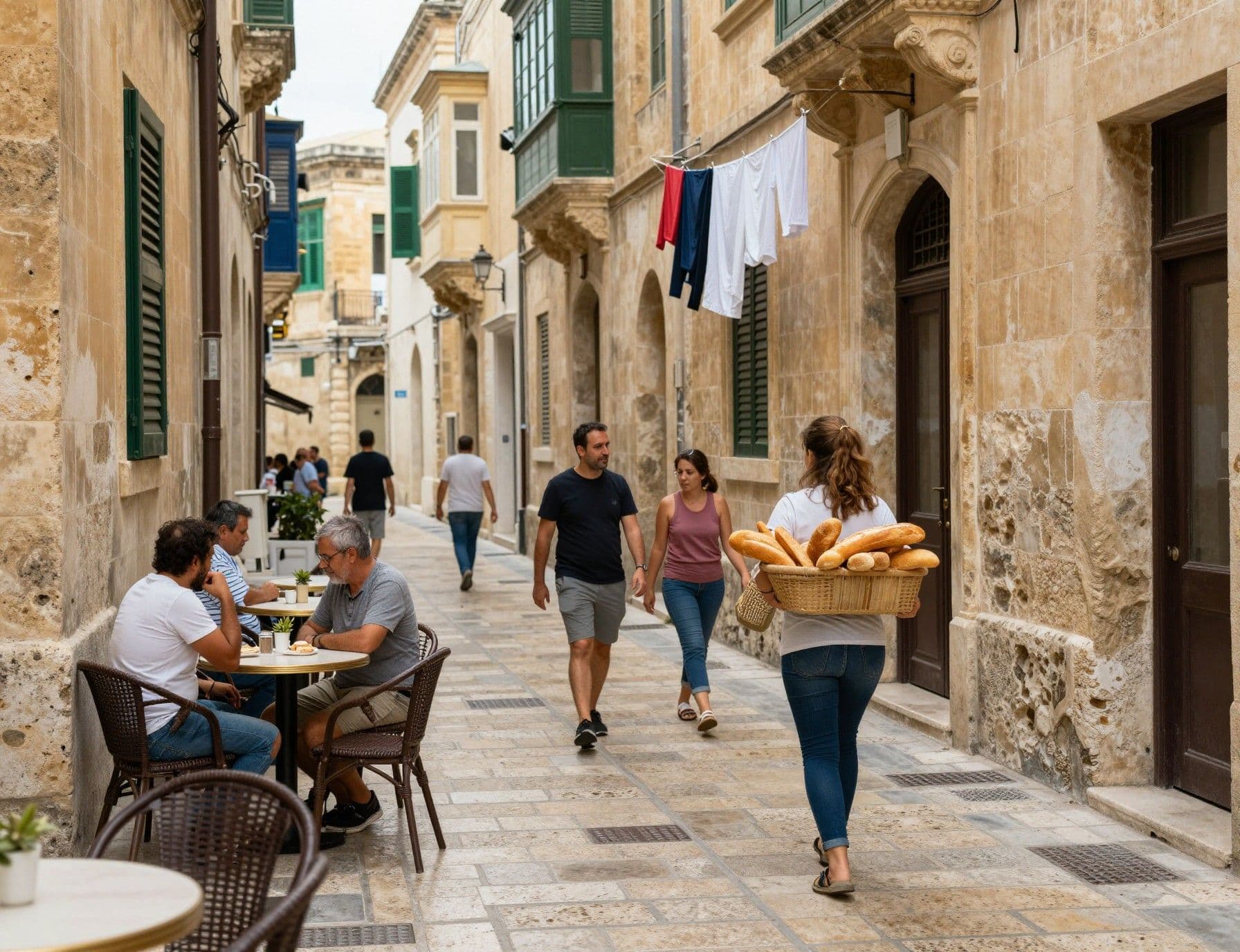
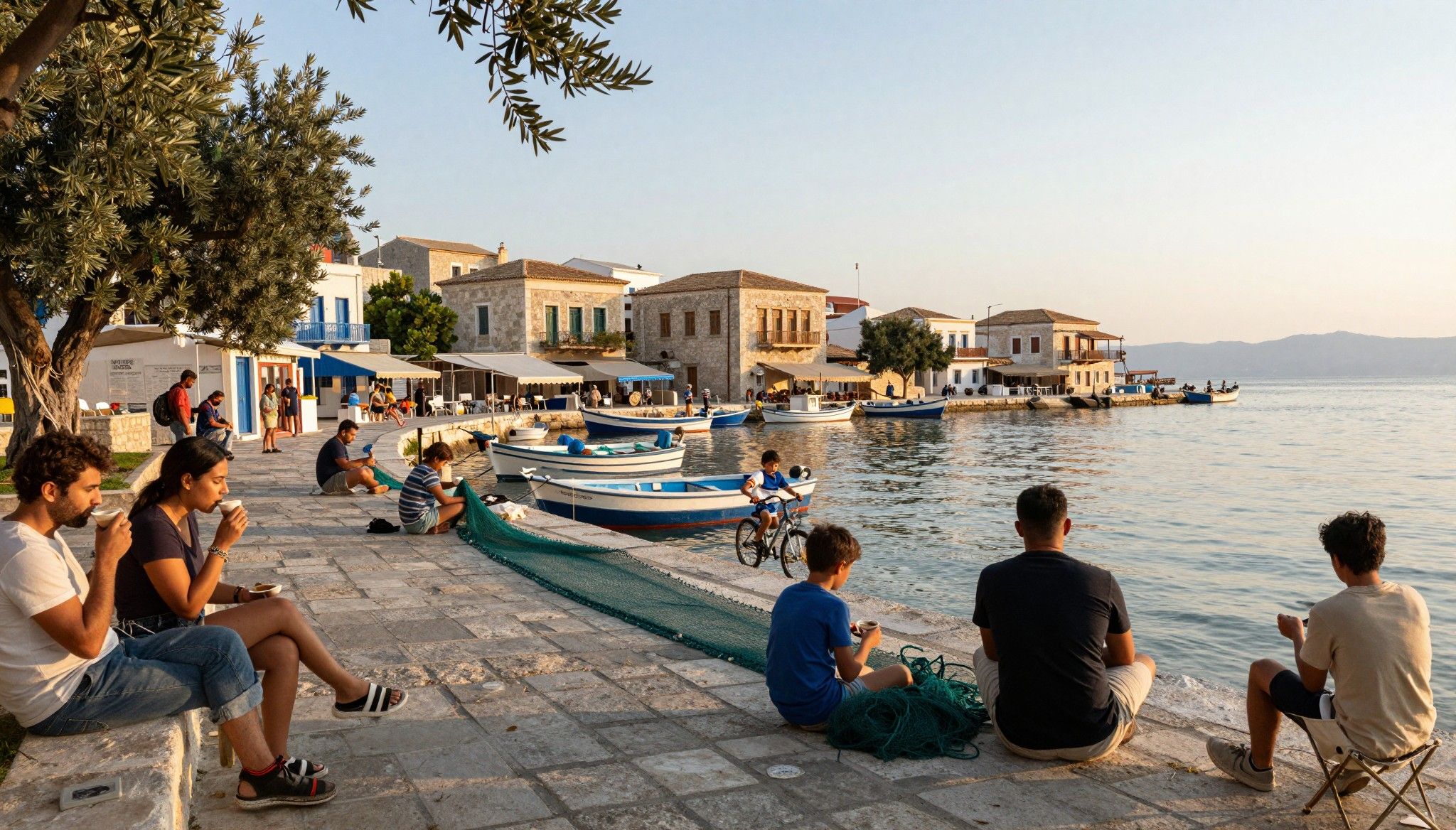
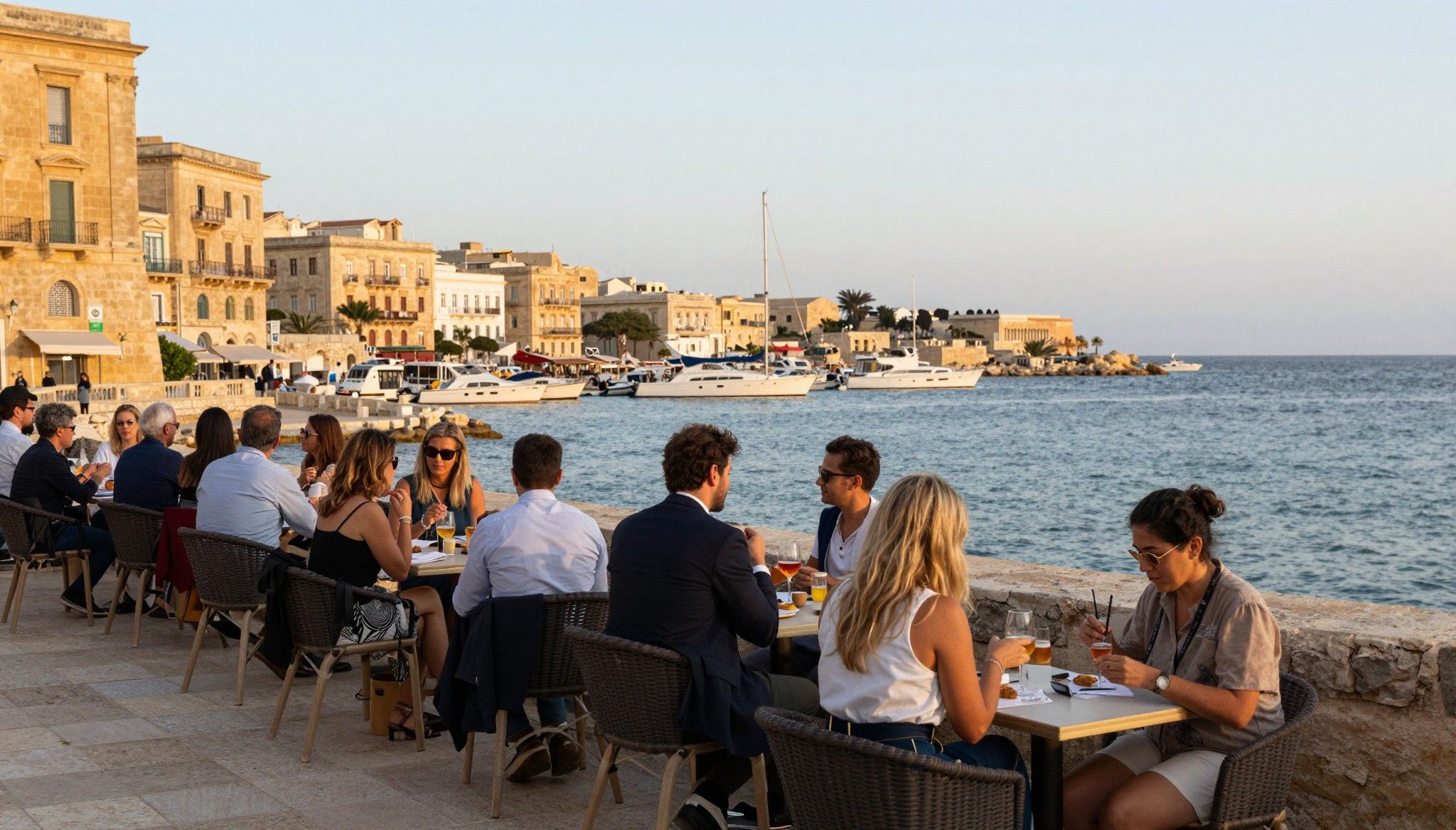
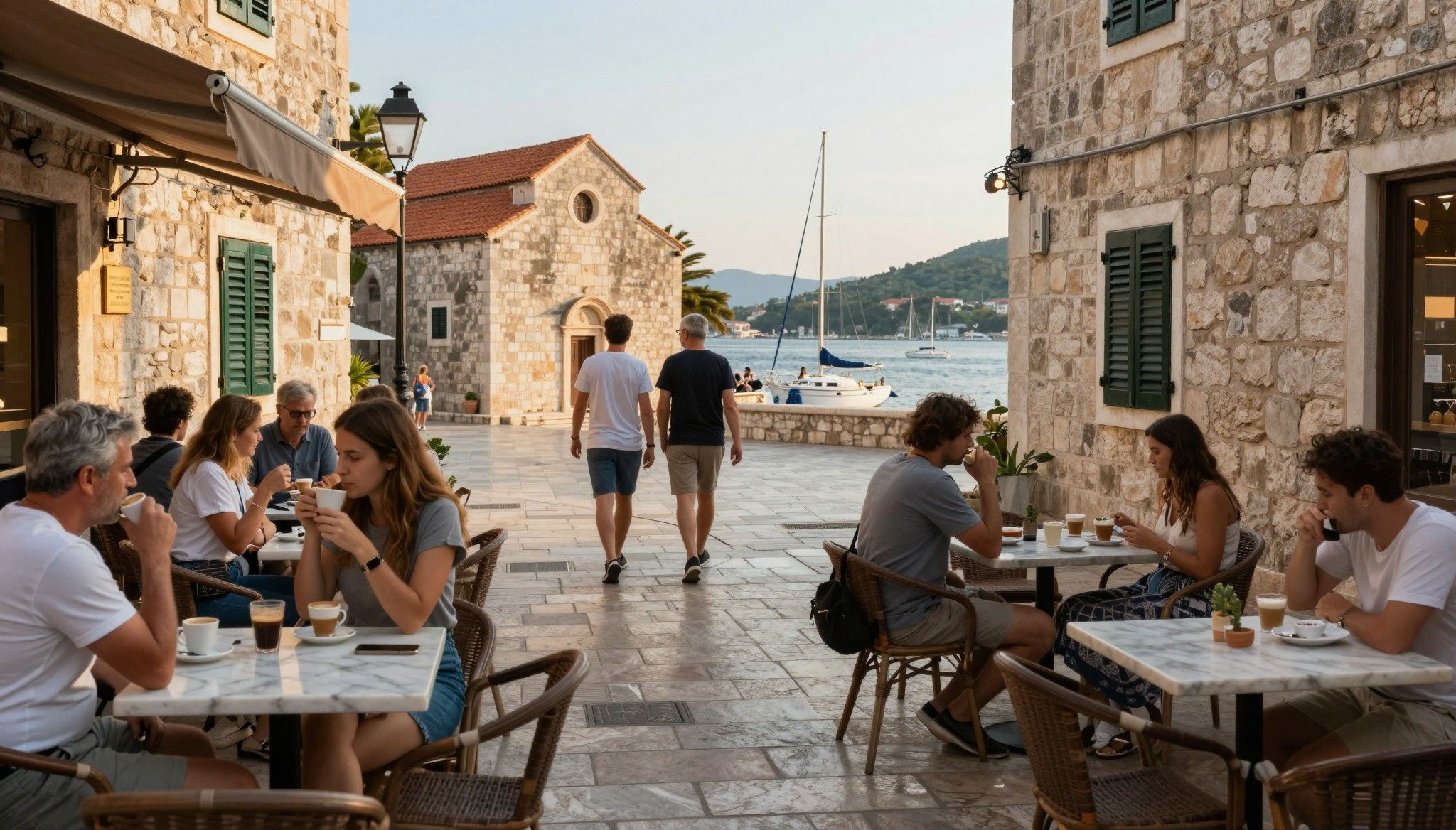
Malta lives like a village scaled to an island nation: short walks, lingering coffee, and neighbourhoods that announce themselves by scent and sound. Mornings in Sliema begin with promenades and newspapers, while evenings in Marsaxlokk are given over to fresh-catch dinners and fishermen’s banter. English and Maltese appear in equal measure; the bilingual day-to-day eases practical transition for many newcomers and shapes social life around cafés, parish feasts and the rhythm of the sea.
Valletta & The Three Cities: Historic cadence and quiet corners
Valletta rewards slow discovery: a grid of baroque facades, hidden courtyards and neoclassical thresholds. Cross the Grand Harbour to Vittoriosa and Senglea and the pace softens further; narrow alleys reveal workshops and family-run bakeries. These areas suit buyers who prize provenance and are willing to steward delicate masonry and period interiors—properties that read as heirlooms rather than commodities.
Sliema–St Julian’s: Coastal life with discreet urban comforts
If you prefer a modern seaside routine—morning swims, terraces for long lunches and a choice of international dining—Sliema and St Julian’s answer with simply scaled apartment living. Expect promenades, boutique shops and a more outward-facing social scene; architectural quality varies, so look for buildings with considered proportions and traditional stonework rather than purely speculative façades.
- Lifestyle highlights: Valletta’s quiet cafés on Strait Street; Il-Fortizza in Mdina at sunset; Marsaxlokk’s Sunday fish market; Għar Lapsi for cliff swims; the promenade cafés of Sliema; boutique restaurants in St Julian’s.
Making the Move: Practical Considerations
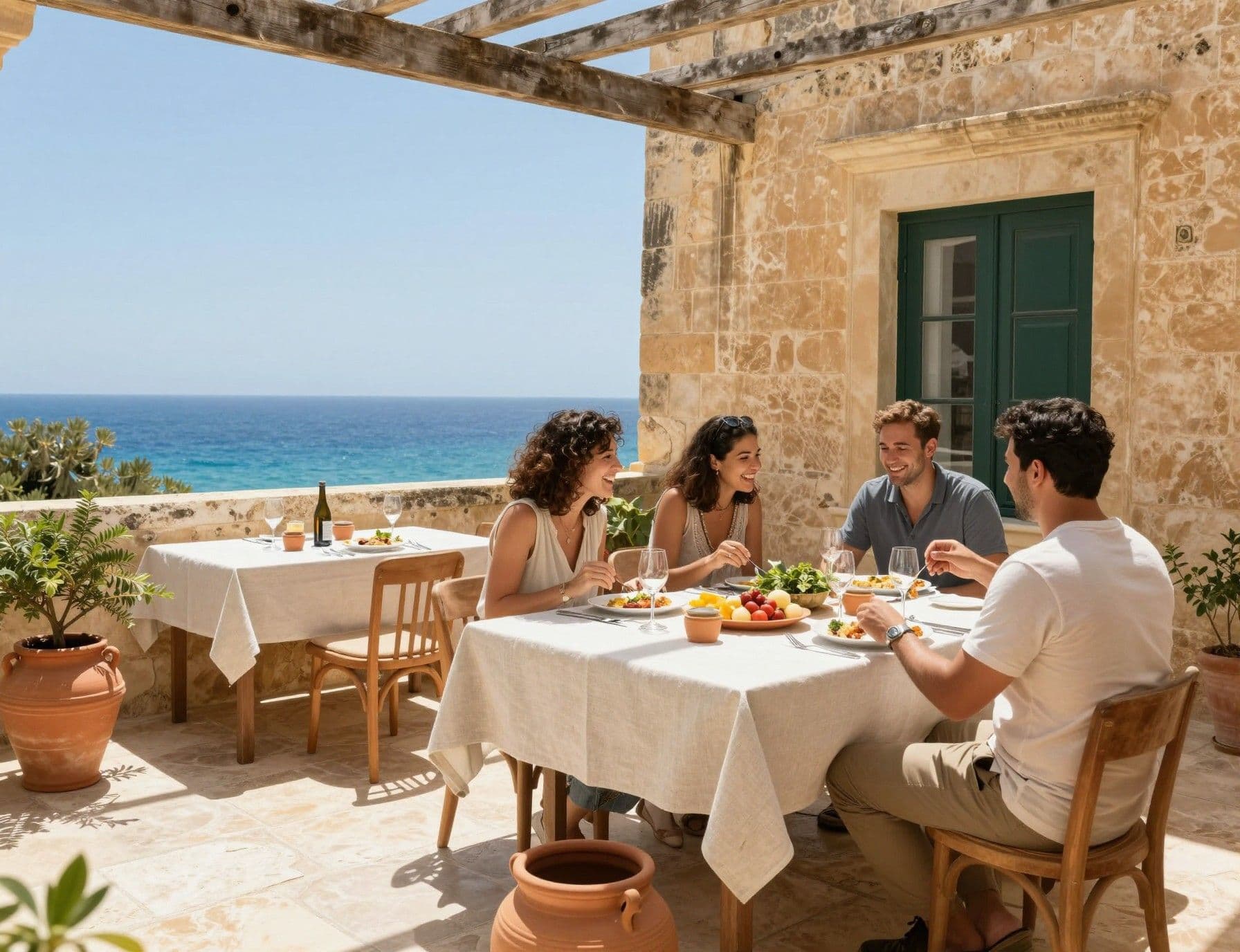
The market is compact and active: official indices show consistent price growth through 2024–2025, so timing and local knowledge materially affect value. That said, the island’s rhythm—busy summers, quieter winters and festival-driven spikes—creates opportunities for attentive buyers who are ready to view outside high season and to trust local expertise when negotiating heritage restorations or apartment upgrades.
Property types and how they shape daily life
Maltese property ranges from restored townhouses in heritage cores to contemporary seafront apartments and terraced maisonettes inland. A townhouse brings intimacy—internal courtyards, timber shutters, original stone details—but requires stewardship: damp control, specialist contractors and patience. Apartments often provide simpler maintenance and immediate lifestyle access; ask about communal ledger, historical façades and the soundness of modern insertions.
Work with agencies who know life, not just listings
- 1. Choose agents who live and work in the neighbourhoods they show; their taste often mirrors local provenance. 2. Ask for recent comparable sales, not asking prices; transaction indices from the NSO and Central Bank provide context. 3. Request evidence of structural surveys for older townhouses—insist on masonry and roof condition reports. 4. Confirm service charges and communal maintenance histories for apartments; the ledger tells the story of the building. 5. Consider off‑season viewings (November–March) to see year‑round light, noise and neighbour activity.
Insider Knowledge: What Expats Wish They'd Known
Expats frequently say their best decisions began with slowing down: choosing off-season visits, tasting local mornings, and prioritising neighbourhood routines over surface glamour. Many buyers underestimate everyday logistics—where to park, how deliveries happen in narrow streets, or when maintenance contractors are available—which matter more in practice than headline square‑metre prices.
Cultural integration, language and social rhythm
English fluency eases formalities, but integration flourishes around local rituals: festa processions, the Saturday market, and weekday cafés where neighbours catch up. Make small investments—learn basic Maltese phrases, attend a parish event, patronise a corner bakery—and the island’s social fabric opens in ways that benefit long‑term custodianship of a property.
Longer view: stewardship and resale perception
Think generationally: properties with authentic material quality and careful restoration hold allure for discerning buyers and collectors. Conversely, speculative, poorly detailed renovations depreciate faster on the island where texture and provenance are noticed. Where you plan to live or rent, prefer quality of finish and contextual sensitivity over maximal floor area alone.
- Red flags to watch for: unclear common‑area ledgers; walls with repeated paint over damp; non‑permitted extensions; aggressive short‑term rental histories that may signal management challenges; missing structural reports for historic roofs.
If Malta feels like a promise, make it sustainable: visit in quiet months to feel the true daily light; insist on surveyors who understand limestone and Mediterranean humidity; and partner with agents who can describe both the festival calendar and the utility of a neighbourhood in ordinary weeks. When lifestyle and stewardship align, the island offers a life that is quietly grand, lived in well and preserved for what comes next.
Norwegian with years in Florence guiding clients across borders. I bridge Oslo and Tuscany, focusing on legal navigation, cultural context, and enduring craftsmanship.