When Italy’s Neighbourhood Rhythm Becomes Your Investment
Italy’s real value is lived: prioritize neighbourhood rituals, seasonality and restoration quality to find homes that offer both daily pleasure and durable capital growth.
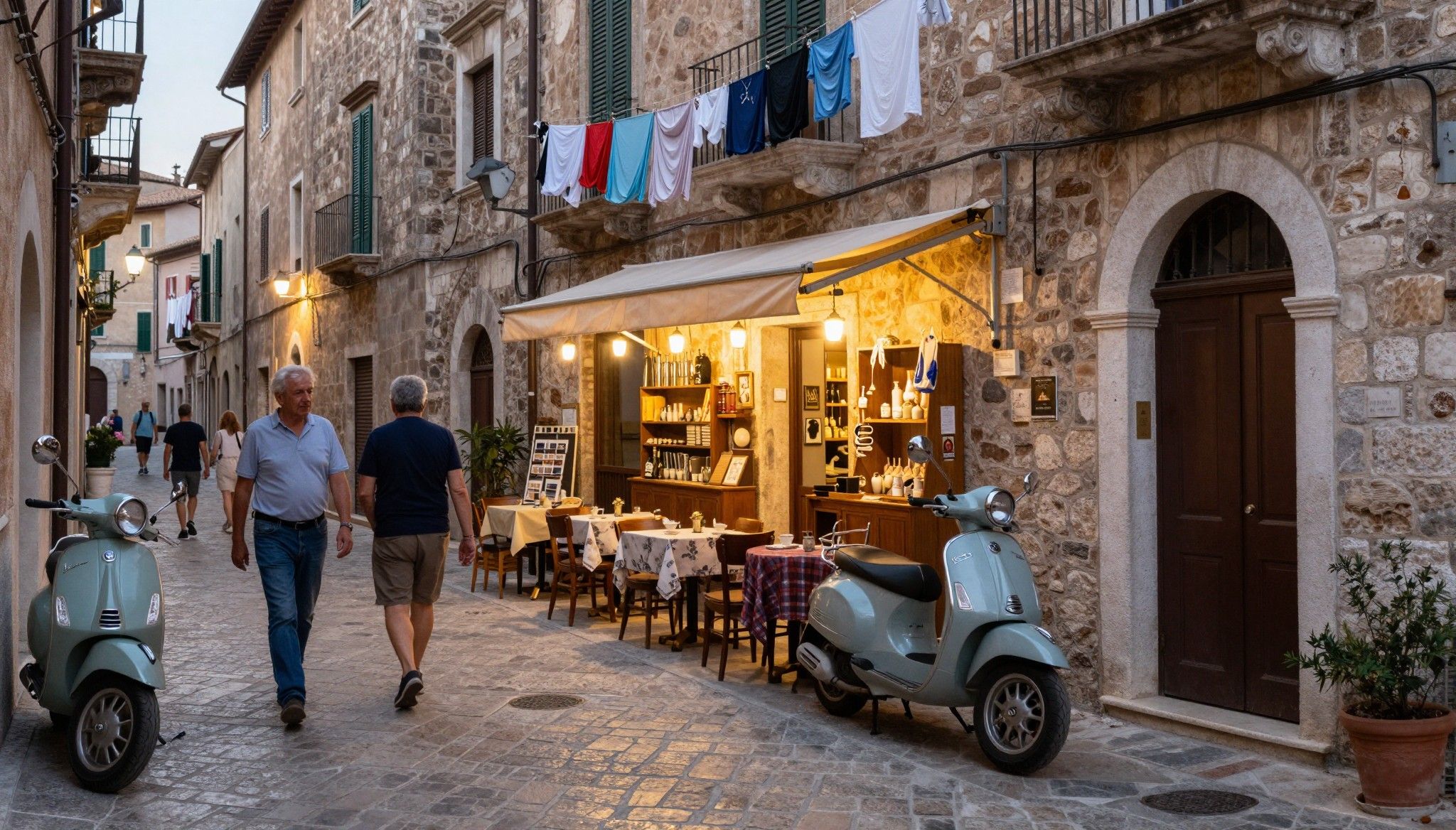
Imagine a late‑afternoon walk through a narrow Tuscan lane: stone facades warmed by low sun, a barista tamping espresso at Via Roma, a prosciutto shop sending out the dry, salted scent of air cured meat. That exact combination — workmanship in stone, market life that pauses for conversation, and a measured rhythm between seasons — is what buying in Italy actually buys you. For many international buyers the country is a collage of postcards; for those who live here it is a lived sequence of small, exact pleasures. This piece shows how that everyday life translates into where and what to buy, and why some contrarian choices reward both lifestyle and long‑term value.
Living the Italian Life — city lanes, markets and ritual
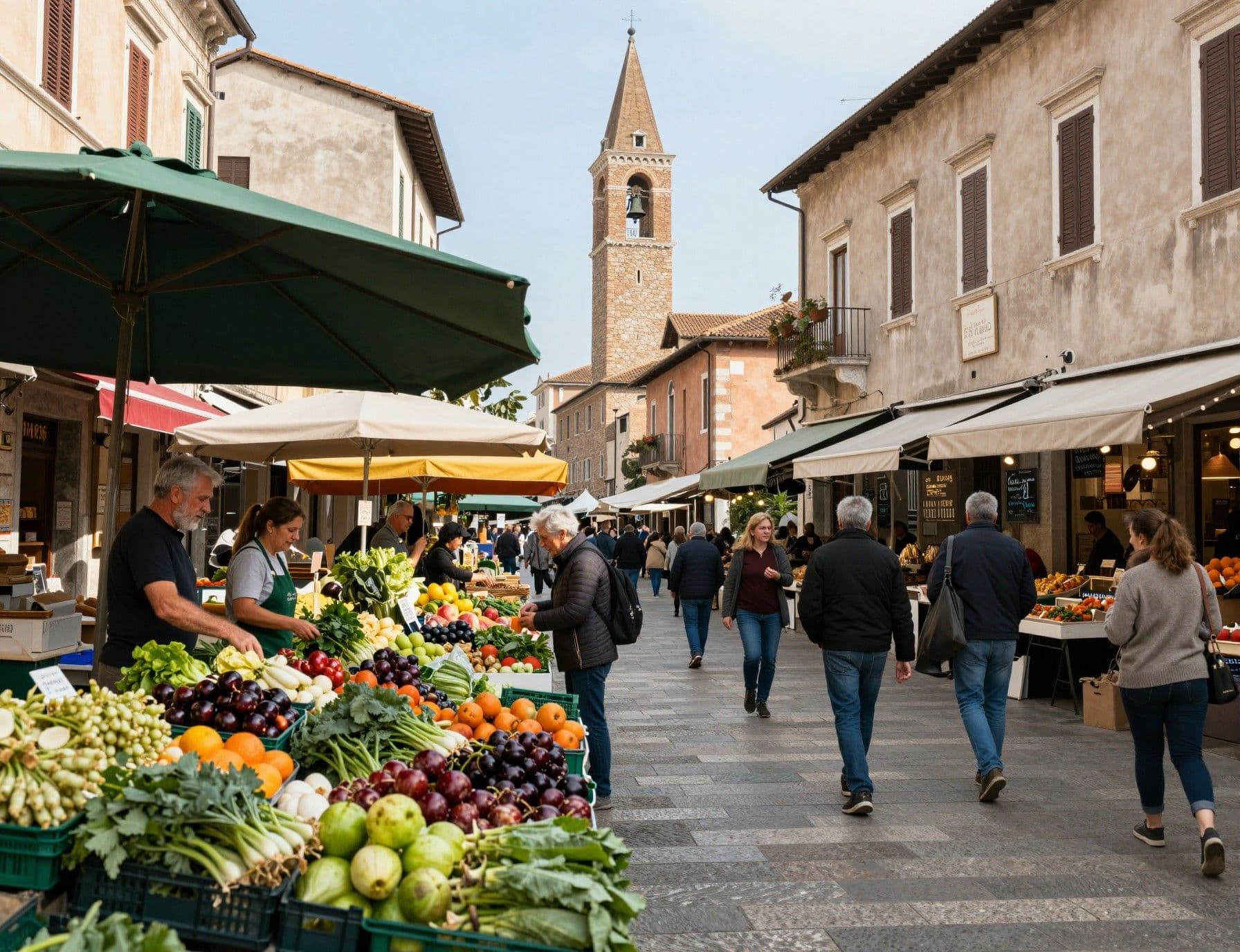
Morning in an Italian neighbourhood is a lesson in routines: the baker’s van on Via Garibaldi, children in uniform passing under a carved cornice, market traders arranging vegetables in pyramids. In Milan you hear the measured clack of Vespa mirrors and see modernist façades framed by chestnut trees; in Naples the street is louder, layered with song and small cafés that stay open late. These differences matter because they shape the kind of property that will feel like home — a pied‑à‑terre in a palazzo needs a different plan to a house with a walled garden in Puglia. Read the place first; the property follows.
Neighborhood spotlight: Oltrarno (Florence) and Santa Croce rhythm
Walk Oltrarno at dusk and you find artisan workshops, an osteria pouring Chianti, and piazzas where neighbours set out chairs. Properties here are often characterised by high ceilings, fresco fragments, and internal courtyards; restoration is frequently bespoke and craft‑led. For international buyers who value provenance and material quality, a modestly scaled apartment near Santo Spirito can deliver both daily life and rental demand during cultural weeks such as Pitti Uomo. This is the sort of address where the domestic life — evening passeggiata, neighbourhood bookshop, a trusted fruttivendolo — becomes the principal return on investment.
Food, markets and the habit of gathering
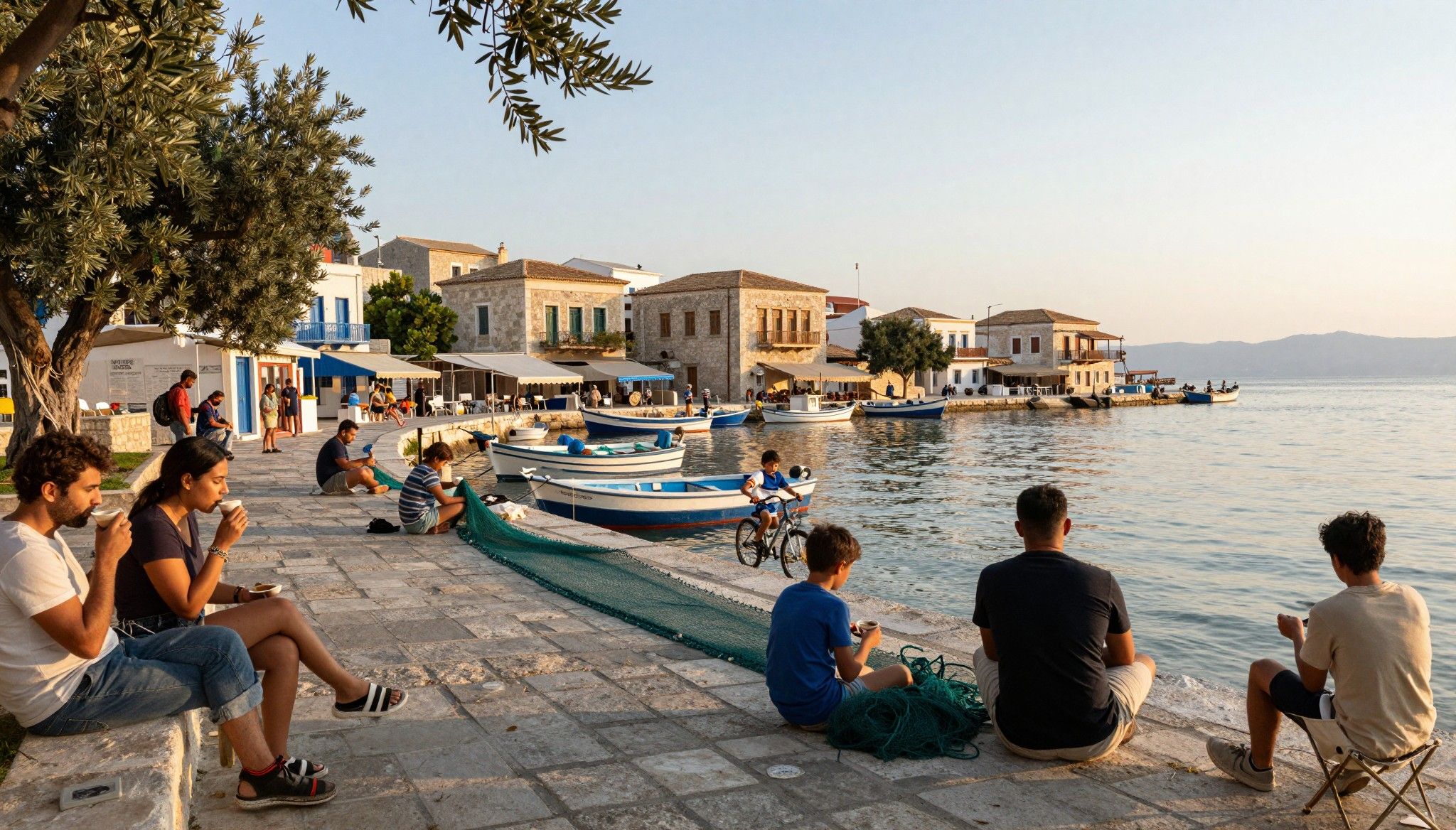
In Italy the market is not only commerce; it is civic theatre. From Mercato Centrale in Florence to Campo de’ Fiori in Rome, these places determine daily routes and social networks. Buying close to a morning market influences how you live — you will cook more, entertain earlier, and know your suppliers by name — and it strongly affects desirability for long‑stay rentals where authenticity matters. Consider the cadence of market days when choosing a neighbourhood; it is an architectural and social amenity in equal measure.
- Lifestyle highlights: lived details that matter
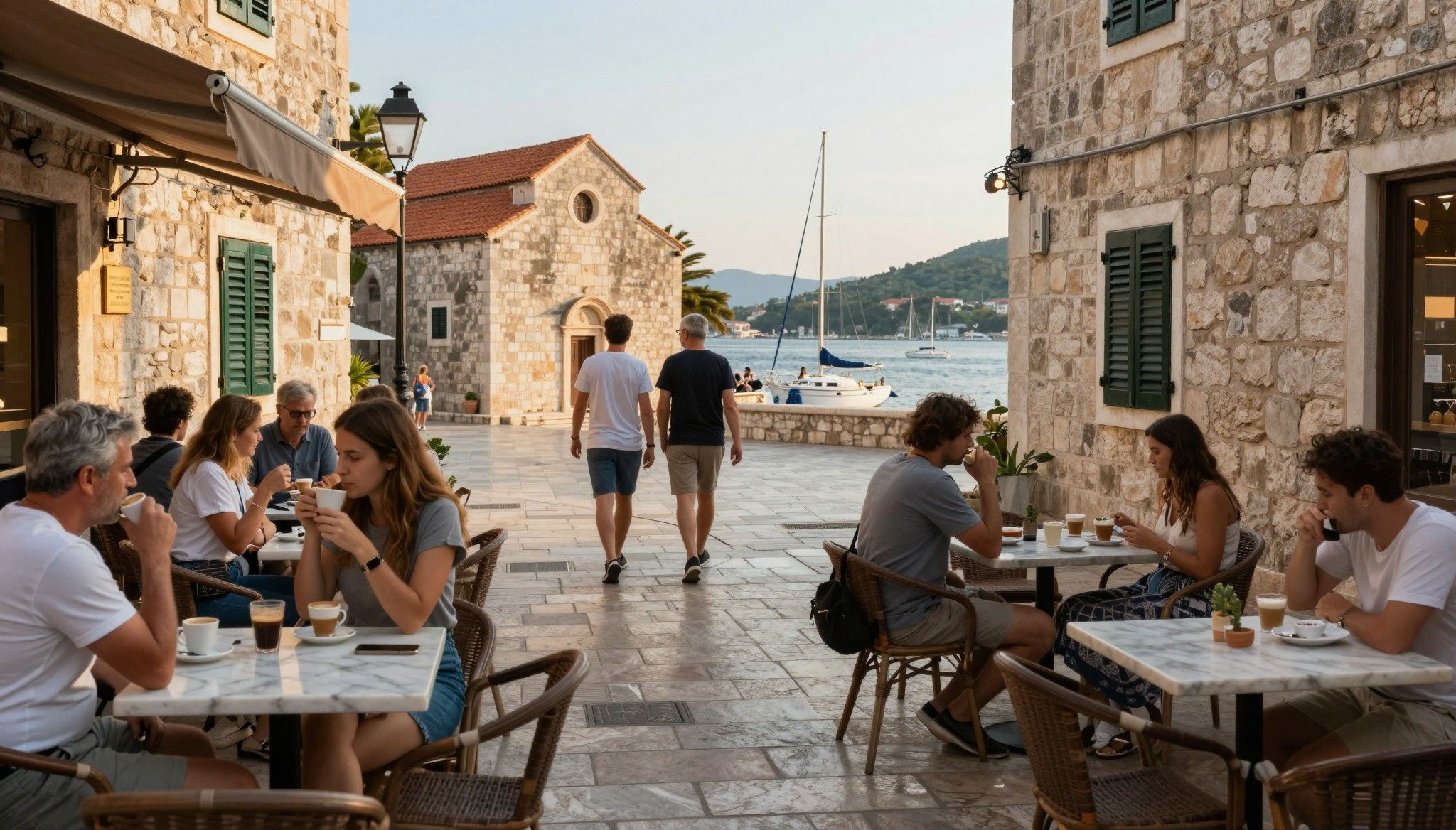
- Morning espresso rituals — Caffè Gilli (Florence), Caffè Gambrinus (Naples)
- Weekly markets — Mercato di Testaccio (Rome), Mercato del Capo (Palermo)
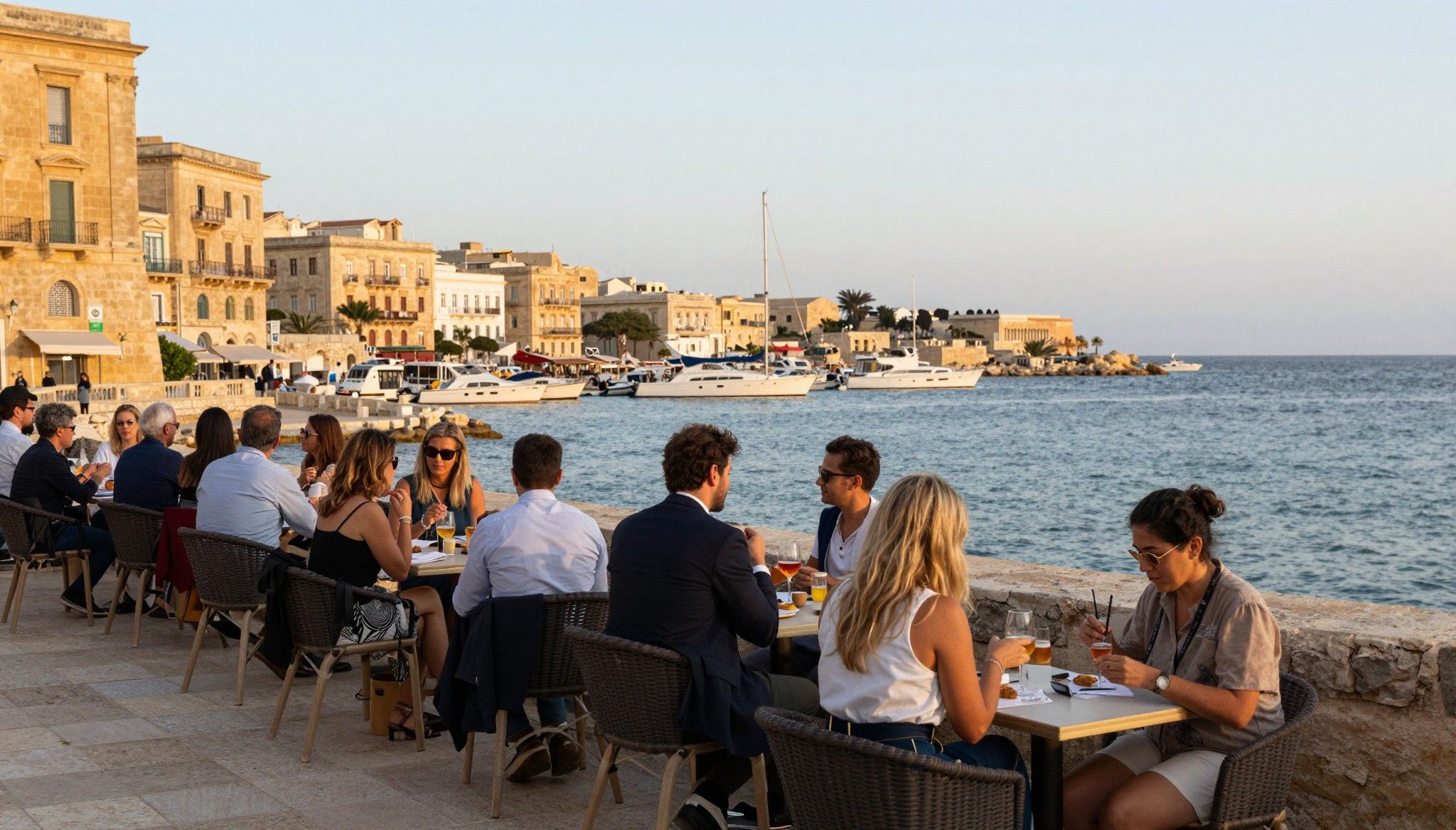
- Coastal promenades — Lungomare Caracciolo (Naples), Viareggio boardwalk
- Hidden courtyards and botteghe in Oltrarno and Trastevere
Making the move: how lifestyle choices shape property decisions
The practicalities of buying follow from the life you want to lead. Recent reporting shows a clear rise in international purchasers in 2025, with demand spreading beyond the traditional luxury enclaves into mid‑market towns where lifestyle and value align. In context, that means choices such as proximity to markets, daylight orientation of principal rooms, and the presence of private outdoor space should be prioritised. These are lifestyle parameters that also tend to preserve capital growth.
Property types and how they support daily life
Italy’s stock of housing includes historic city apartments, stone farmhouses, alpine chalets and modern coastal villas. Each type answers a different lifestyle need: a palazzo flat with tall windows suits collectors and those who prize proximity to museums; a restored Masseria offers seclusion and olive groves for someone pursuing farm‑to‑table living. Market data from national statistics underscores varied regional dynamics: price growth and transaction volumes are not uniform, which rewards specificity in search criteria.
Working with local experts who understand life and value
An agent who knows the rhythm of a place will point you to properties that fit how you intend to live: which street gets afternoon sun, which courtyard hears children playing, which terraces catch the breeze from the sea. Specialist boutiques in Florence, Milan and along the Amalfi coast offer this granular intelligence. That local knowledge shortens search time and safeguards against expensive surprises during restoration and occupancy.
- Steps that blend lifestyle and practical selection
- Rank neighbourhoods by daily ritual — markets, cafés, and leisure — then review listings that match the top two rhythms.
- Inspect orientation and light: visit properties at the times you will live in them — morning for breakfast spaces, evening for terraces.
- Ask local agents for recent comparable sales within a one‑kilometre radius rather than city‑wide averages; street‑level data is more predictive.
- Factor in small‑scale amenities (a trusted grocery, post office, pharmacy) before aesthetic features; they determine long‑term comfort and resale demand.
Insider knowledge: the expat truth, seasonal reality and what seldom gets said
Expats often discover three things: first, that integration is local and slow; second, that festivals and seasons alter neighbourhood life dramatically; and third, that some favoured tourist streets are quieter and more attractive off‑season. Reports from 2025 show increasing foreign interest and pockets of price growth, but they also highlight regional divergence. Knowing which months a location truly lives — carnival in Venice, grape harvest in Piedmont, summer festivals on the Adriatic — helps time visits and negotiations.
Cultural integration and daily social life
Language matters, but routines matter more: regular attendance at a market, church, or sports club builds social ties faster than conversational fluency alone. In many towns a single barista or accountant functions as an introduction to the neighbourhood; cultivating those relationships transforms a house into a maintained home. An agent who understands these social pathways adds genuine value by recommending the right street, not just the right floorplan.
Long‑term lifestyle considerations that preserve value
Choices that feel right this year — proximity to a popular coastal promenade, a rooftop terrace — can increase desirability if they are durable. Invest in quality of materials, sensible thermal upgrades and water management; these interventions preserve both comfort and capital. Regional reports indicate that prime markets such as Tuscany and selected lakefront towns continue to attract buyers who prize provenance and restoration quality, which in turn supports long‑term performance.
- Red flags and quiet costs to watch for
- Over‑promised sea views — confirm if the vista is protected or slated for development.
- Undocumented renovations — request permits and consult the local comune records.
- Under‑insulated historic fabric — budget for sympathetic thermal upgrades that respect heritage.
- Short‑term letting saturation — check occupancy seasonality if rental income matters.
Conclusion: Italy as lived conviction and curated investment. Choosing where to buy in Italy is first a choice of life. Prioritise the daily rituals you cannot imagine living without, then apply street‑level data and local expertise to protect value. Begin with a short reconnaissance visit timed to the seasons that matter to you, speak with agents rooted in the neighbourhood, and ask to see the small things that reveal habit: the morning queue at a bakery, the light across a sitting room at dusk, the neighbour who waters the plants. These are the markers of a life well chosen, and the practical anchors that make an Italian purchase a stewardship rather than a gamble.
Former Copenhagen architect who relocated to Provence, offering relocation services, market analysis, and a curator’s eye for authentic regional design.