When Italy’s Lifestyle Outweighs Its Price Tag
A lifestyle-led look at Italy that pairs sensory neighbourhood detail with up-to-date market data and practical steps for international buyers.

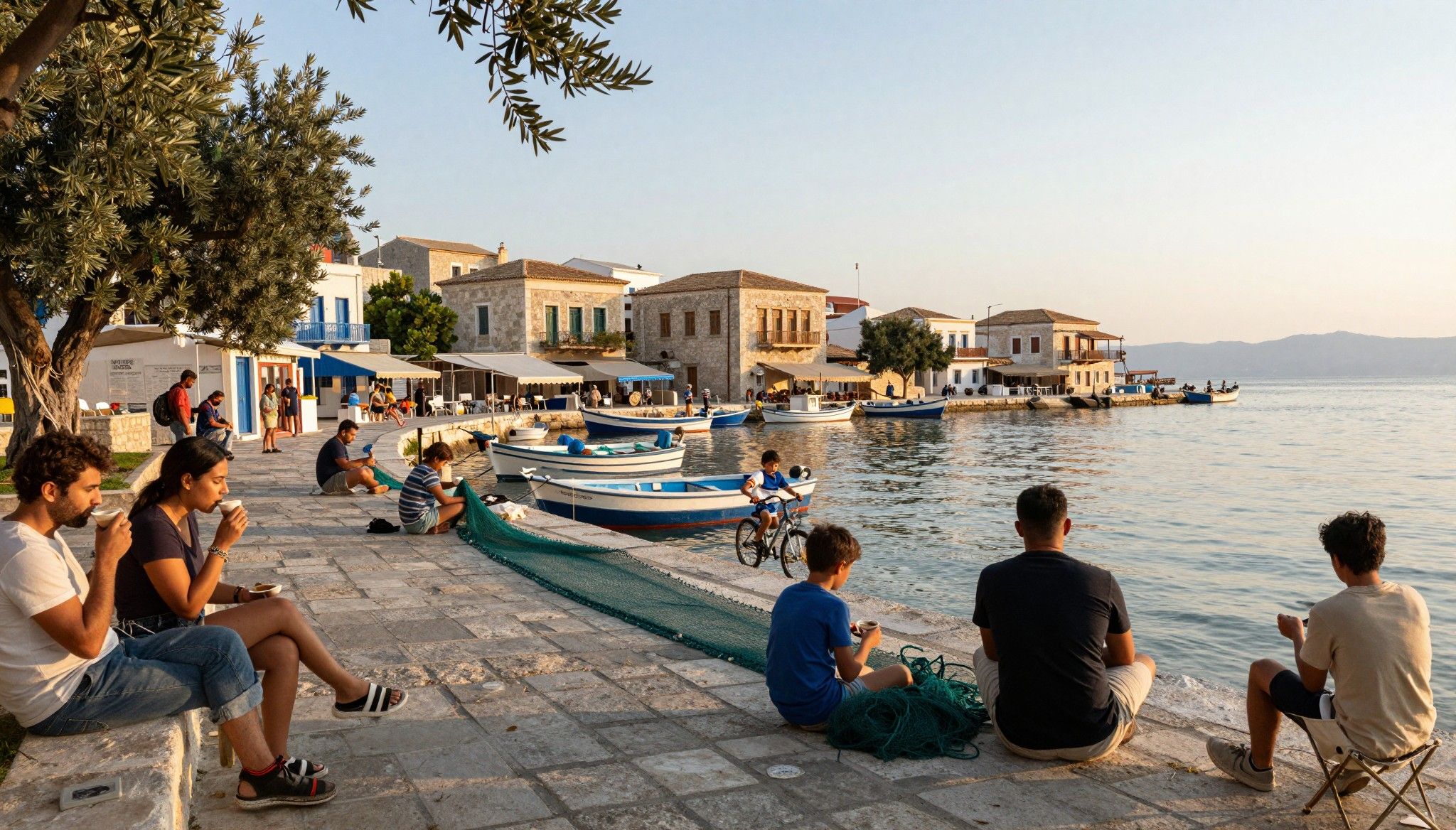
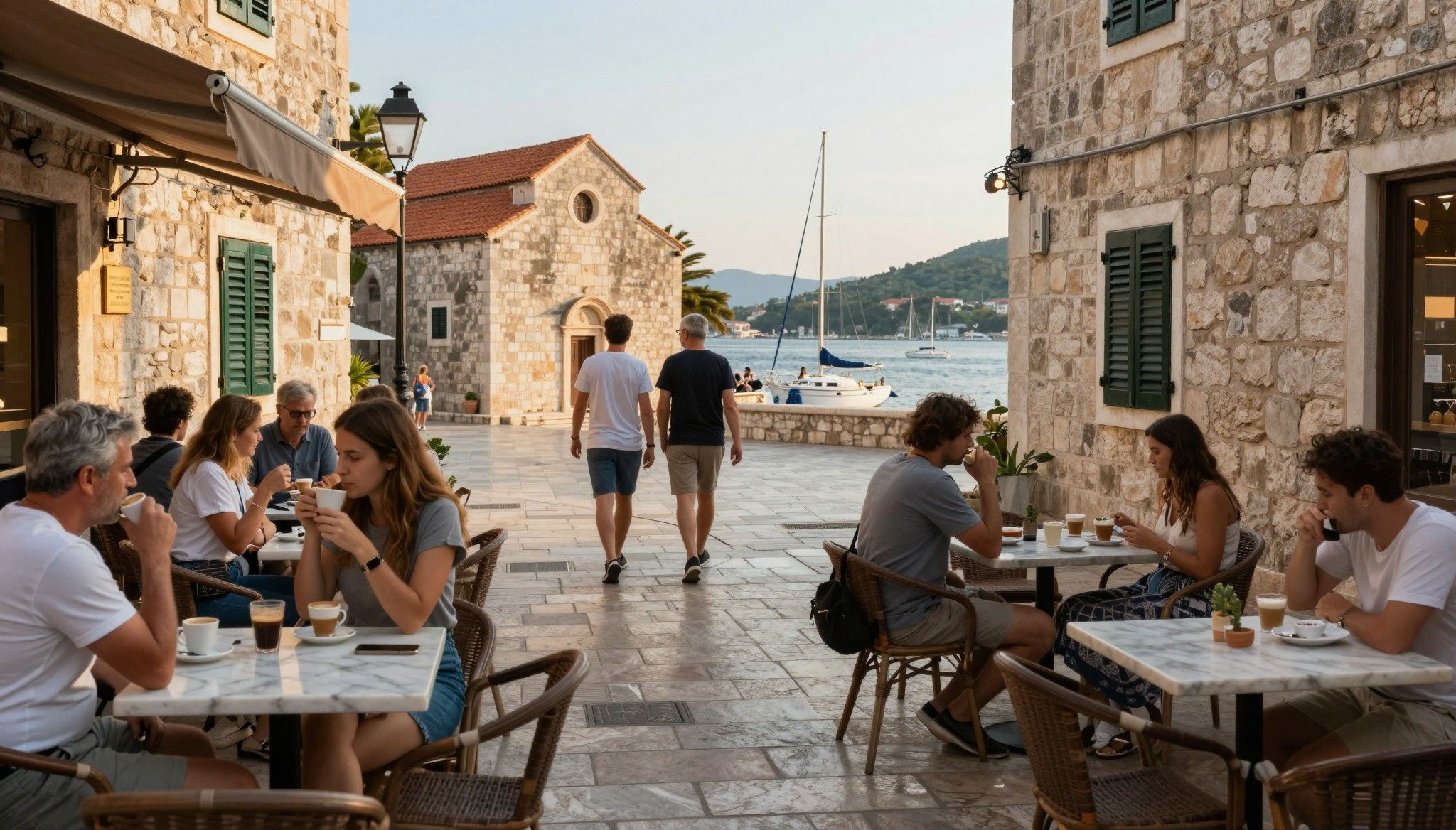
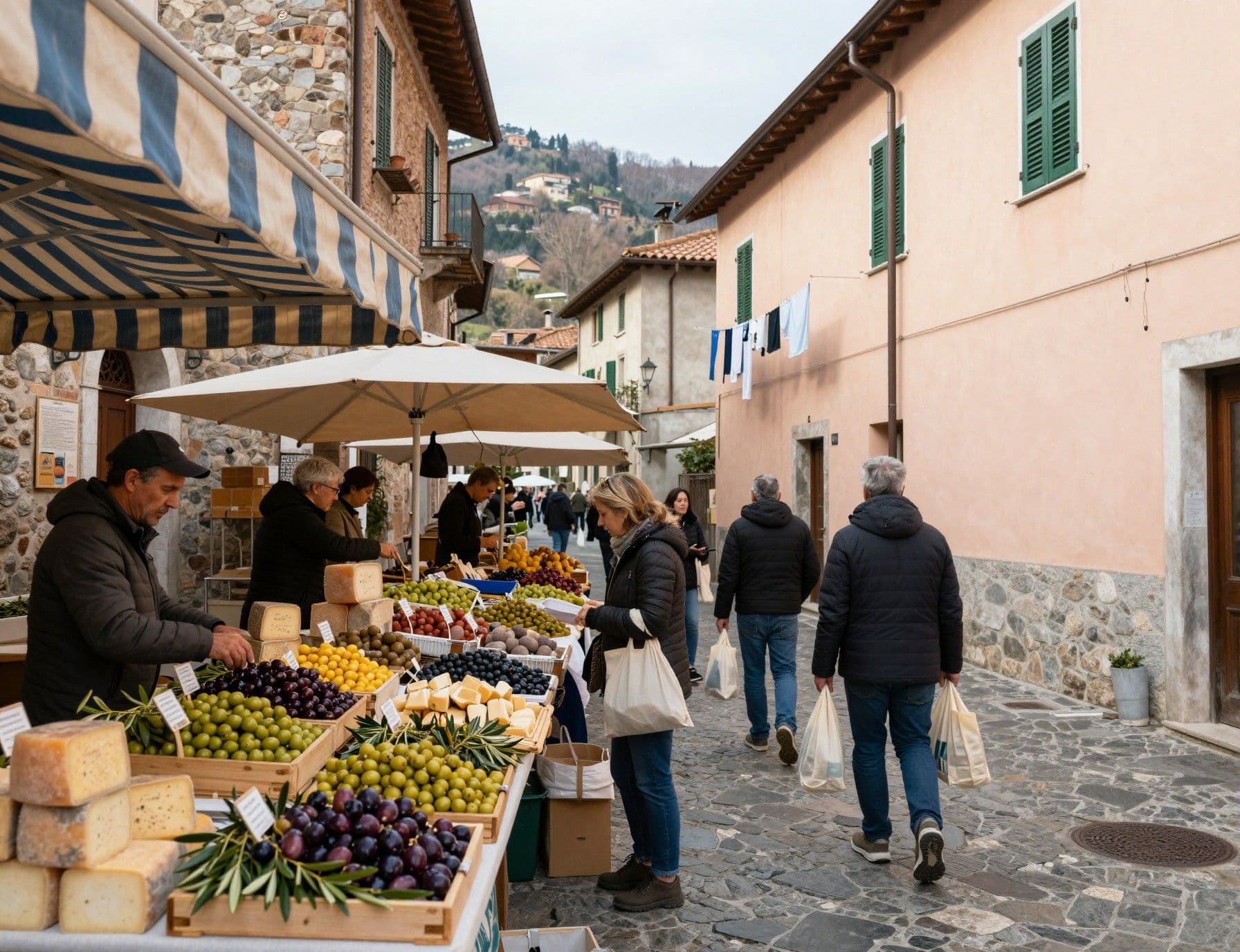
Imagine an October morning in an Italian hill town: a barista easing crema onto an espresso, shutters opening to warm light on stone façades, and a market where the olive vendor already knows your name. This is the rhythm many international buyers come for — not a postcard, but a domestic cadence of neighbourhood cafés, weekday markets and slow Sundays. Yet loving a place and buying in it are distinct acts; both require fidelity to detail: neighbourhood textures, seasonal shifts in life and price, and the small trade-offs that make a house a home.
Living the Italy life — how places actually feel
Italy is a mosaic of rhythms. In Milan, mornings begin with brisk espresso and tram bells; evenings gather in courtyards and tucked-away osterie. In coastal Liguria, life unfolds around passeggiata and the small cove; in Puglia, courtyards scented with citrus and the crescendo of village festivals define residency. For buyers this matters: the sensory character of a neighbourhood—soundscape, market cadence, proximity to a daily barista—determines whether a property serves as a holiday retreat, a full-time address, or a lettable asset.
Florence: pocketed grandeur and measured pace
Florence rewards slow discovery: narrow streets, ateliers, and Renaissance façades forming a residential fabric that privileges walking and provenance. Buyers here prize apartments with high ceilings, original cornices, and central courtyards rather than large gardens. Expect quieter weekdays and intensely busy tourist seasons around the Duomo and Oltrarno; the right address offers that balance—close enough to cultural life, removed enough to live.
Liguria and the Riviera: compact coastal living
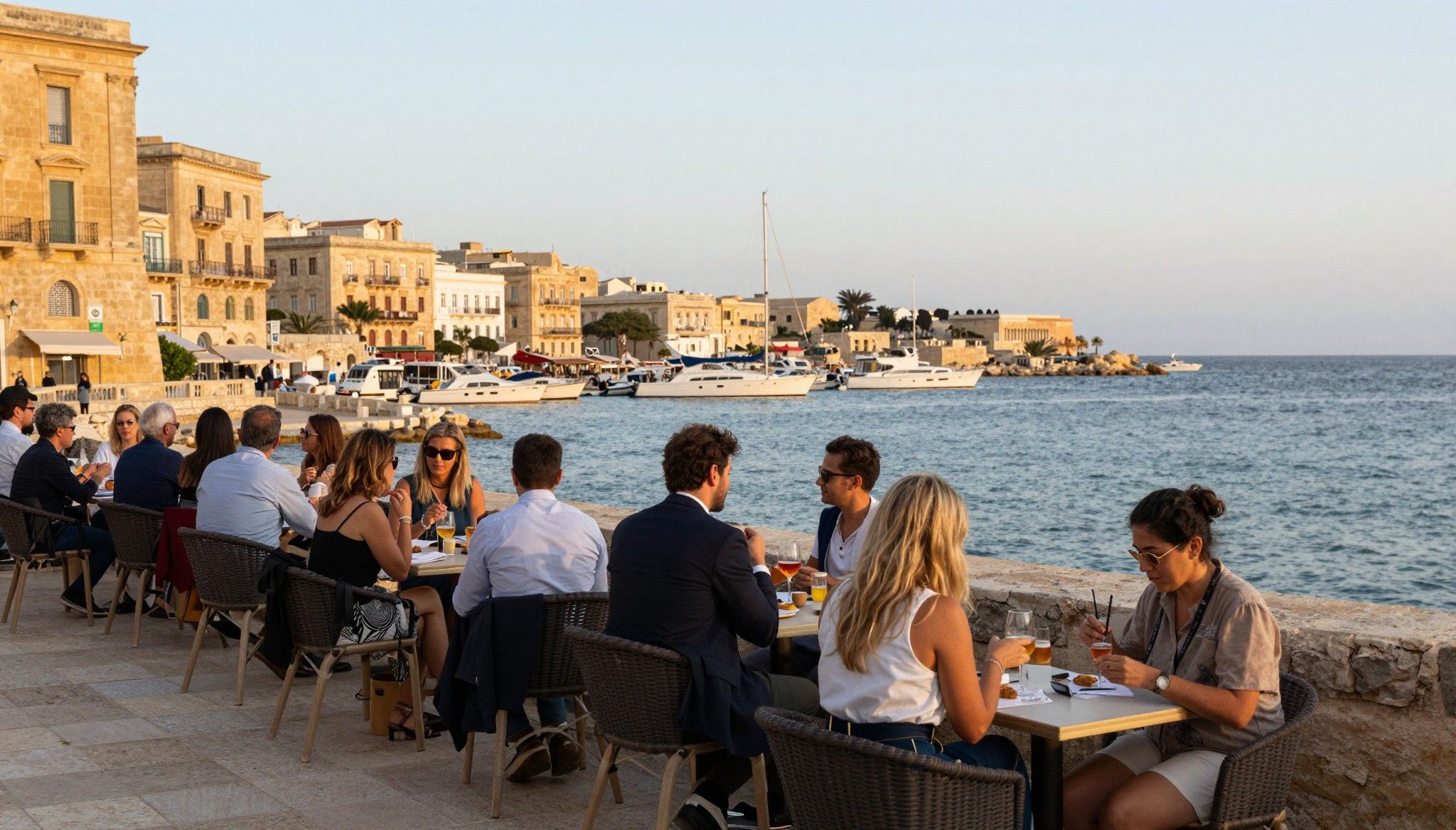
The Ligurian coast rewards buyers who value proximity to sea and a strollable routine: small piazzas, a favourite trattoria around the corner, and terraces tuned for morning light. Properties tend to be compact, often stacked within historic centres; a renovated apartment with sea glimpses commands a premium not only for view but for immediate access to everyday life. For international owners who split time between countries, these addresses function as lived-in refuges rather than weekend showpieces.
- Lifestyle highlights to map onto a property search
- Morning espresso and a daily mercato within five minutes
- A local osteria or bakery that is consistently good and nearby
- A green space or coastline that structures weekend life
Making the move: where lifestyle and market meet
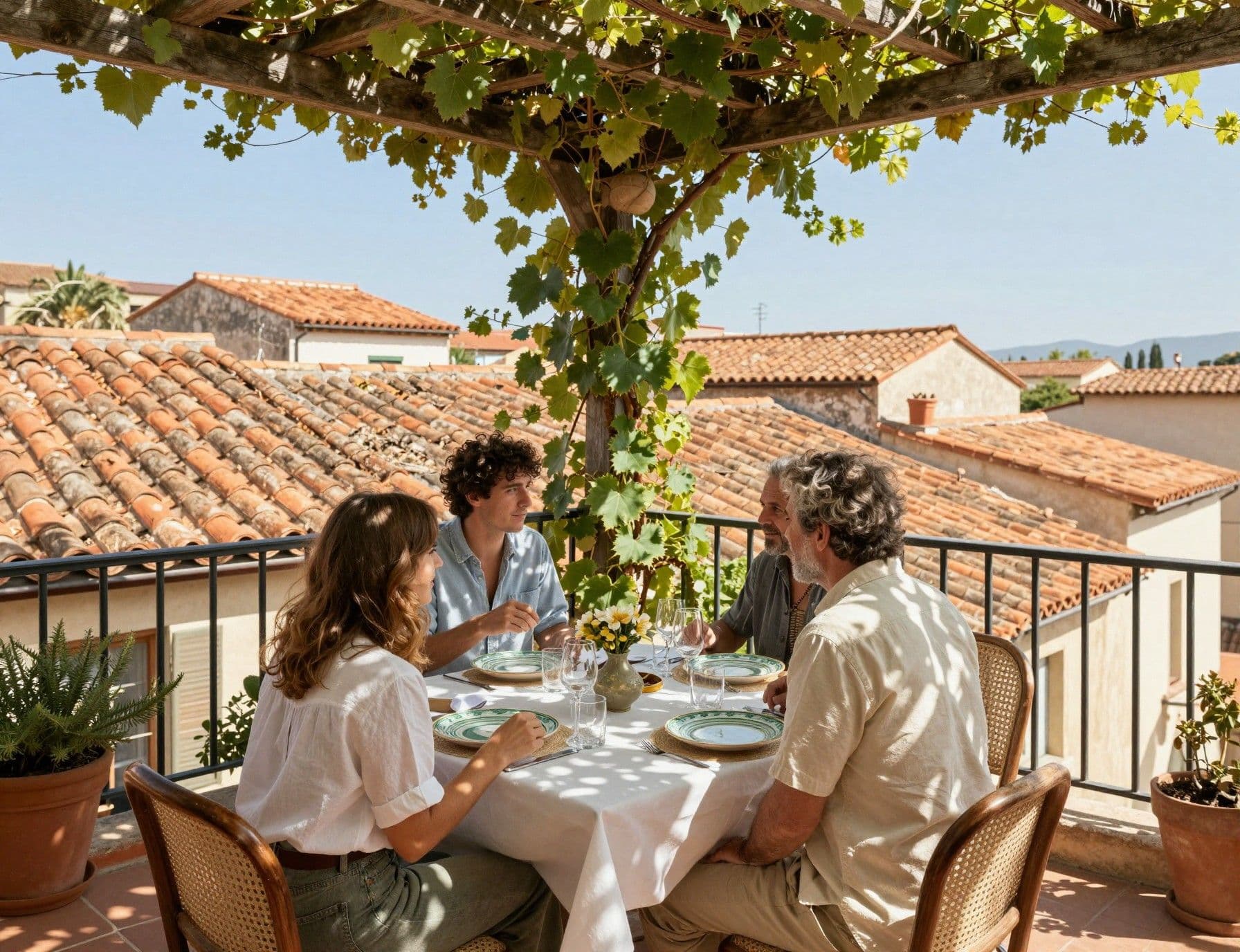
The Italian market is steady rather than spectacular. Recent ISTAT measures show modest year-on-year price movement in many areas, with clear regional divergence between sought-after centres and depopulating inland communes. For buyers the consequence is straightforward: lifestyle priorities should guide geography, but data must shape timing and budget. A neighbourhood with year-round life sustains value more reliably than one with only seasonal demand.
Property types and how they inform everyday life
Historic apartments reward stewardship: tall windows, frescoes, and original joinery deliver immediate atmosphere but often need careful systems work. Country villas offer land and privacy at the cost of maintenance and seasonal isolation. New-builds promise convenience and efficiency but sometimes lack the narrative that makes an Italian home feel rooted. Choose the typology that supports the life you will actually live—frequent visits argue for low-maintenance, year-round living; weekend use allows for more romantic, maintenance-heavy choices.
Working with local experts who understand living, not just listings
Agents who know the neighbourhood rhythm are indispensable. They can distinguish between an address that sparkles in high season and one that sustains community year-round, and they understand restoration costs, local tradespeople networks, and permitted works—matters that affect both pleasure and value. Seek advisors who present comparable lived-in examples and who will introduce you to the people who make the place function: concierge, restaurateur, architect, or a long-standing notary.
- Six practical steps that blend lifestyle and process
- Map daily life: identify morning routines you cannot do without and test them on short visits
- Prioritise durable features: heating, insulated windows, water systems—these affect year-round comfort
- Obtain local comparables from your agent, then visit at different seasons when possible
- Engage a local architect or surveyor early to cost sensible upgrades rather than aesthetic-only work
- Negotiate with clarity about what is included (fixtures, shutters, garden tools)—small exclusions later become headaches
- Ask for references from recent international clients and speak with neighbours where possible
Insider knowledge: what expats wish they'd known
Most expats discover that the small rituals matter more than grand vistas. A reliable baker, a neighbour who takes in your mail, and a municipal waste schedule that suits your life are the true currency of comfort. Language helps, of course, but the social code of reciprocity — showing respect for rhythms and small courtesies — opens doors more quickly than perfect Italian.
Cultural integration and everyday practicalities
Learn the local calendar: festival days, market rhythms, and shop hours. These shape where you shop, where you meet friends, and how a neighbourhood breathes across the year. For parents, school terms and proximity to bilingual options matter; for those seeking quiet, discover which streets host late-night municipal events before committing.
Longer-term thinking: stewardship and value
Italy rewards stewardship. Thoughtful restoration, attention to materials and choice of architectial interventions preserve provenance and tend to outperform purely cosmetic upgrades. Where you invest—whether in a compact palazzo flat or a restored farmhouse—should reflect an intention to care for the property and its place. That approach tends to sustain returns and, more importantly, preserves the pleasures that drew you in.
- Red flags local experts will help you spot
- Properties with unresolved condominium suits or unclear ownership chains
- Homes sold as ‘move-in’ that have deferred essential systems work
- Addresses dependent solely on high-season tourism without a year-round local fabric
Conclusion: imagine the life, then measure the steps that make it possible. Begin with short, well-planned visits to test daily rhythms, work with agents who show you lived-in examples rather than staged listings, and prioritise properties whose architecture and systems support the life you intend to lead. When you pair an honest love of place with disciplined local advice, Italy becomes not only a dream but a durable home.
Having moved from Stockholm to Marbella in 2018, I help Scandinavian buyers navigate Spanish property law, restoration quality, and value through authentic provenance.