Italy: Match the Life You Want to the Right Property
Italy is a mosaic of lived rhythms. Match the life you want — market mornings, coastal terraces, artisan streets — to property type, local experts, and seasonal realities.
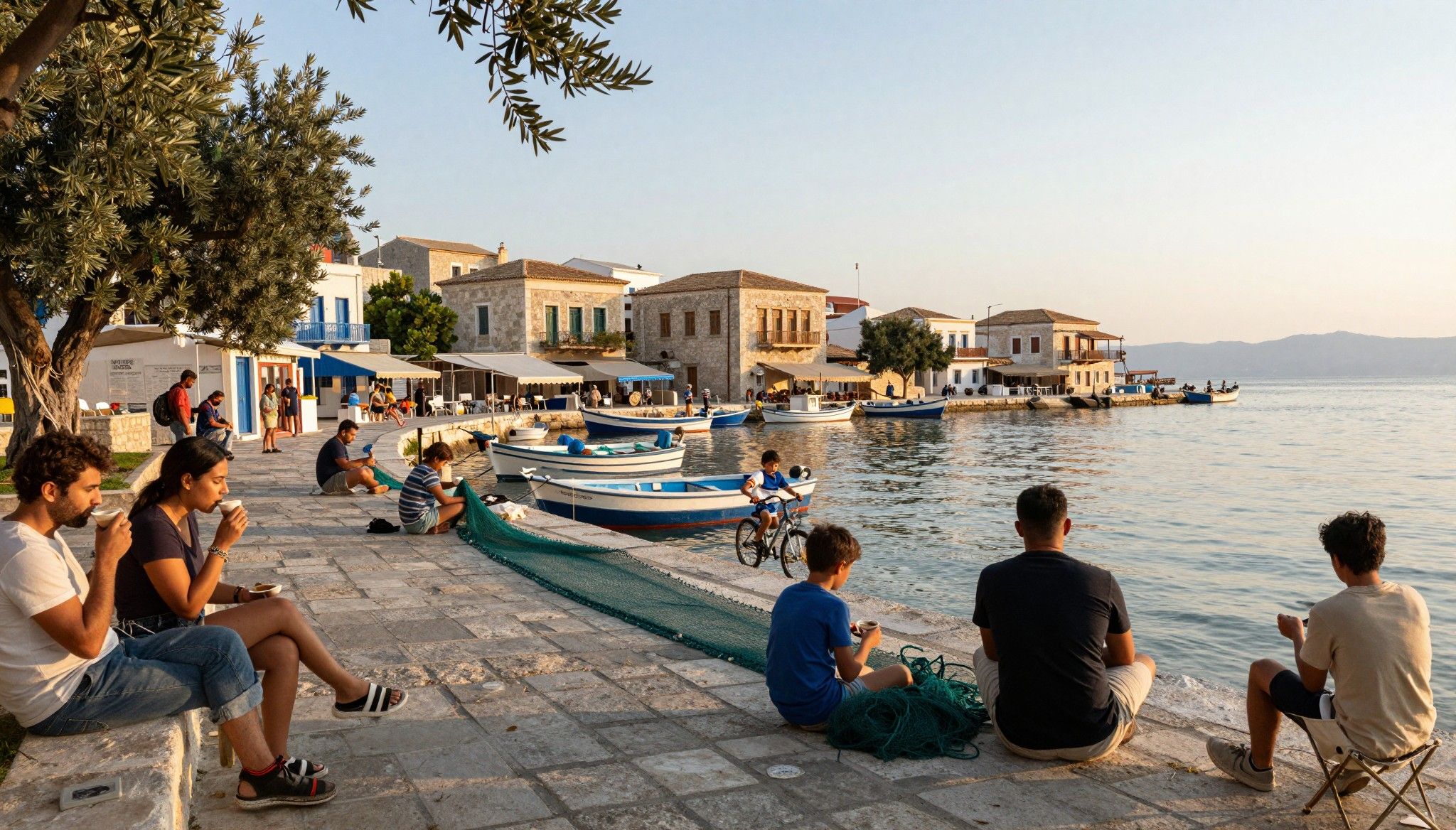
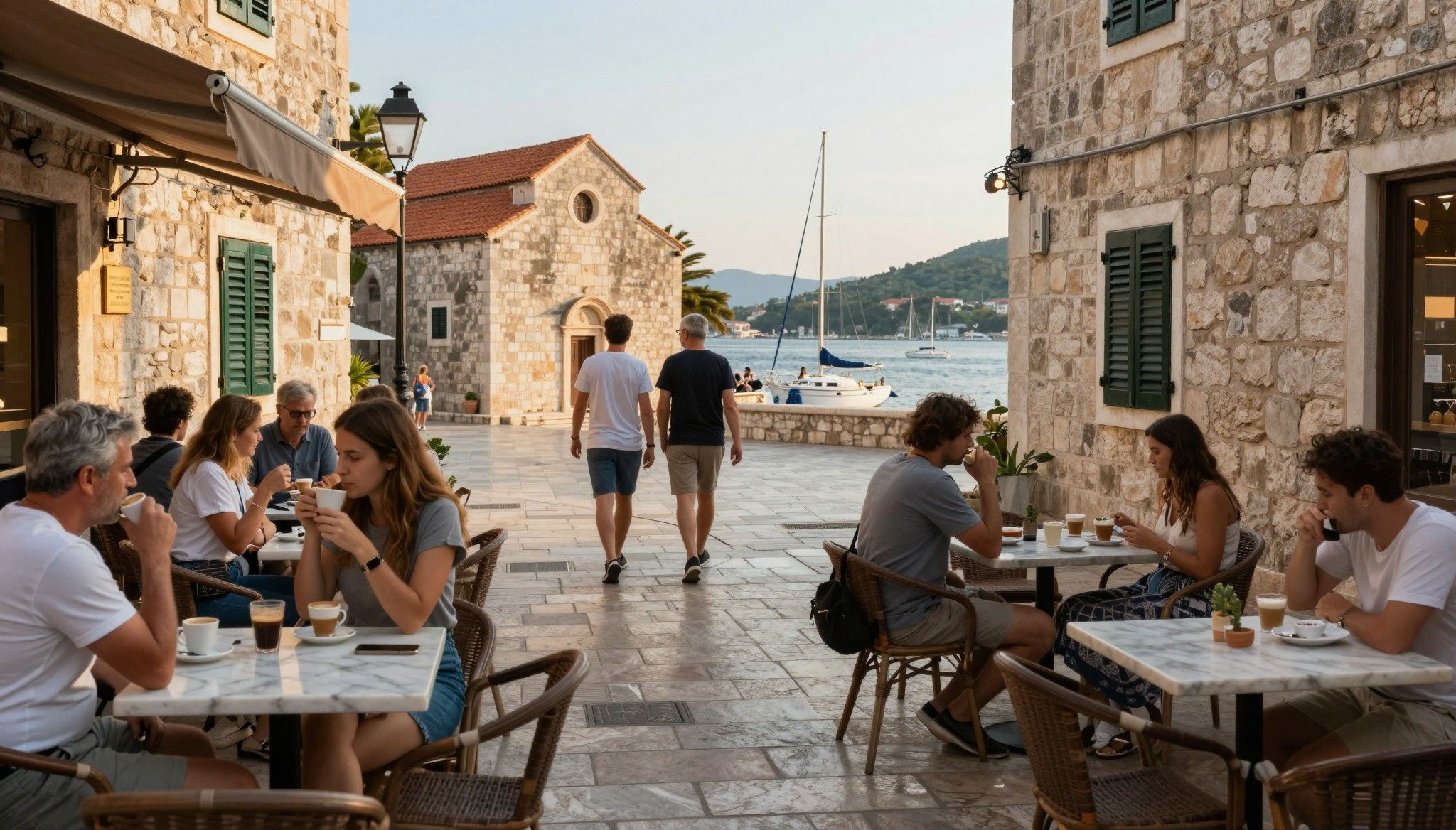
Imagine an early morning in Italy: steam rising from an espresso at a corner bar in Florence’s Oltrarno, a fisherman mending nets at dawn on the Ligurian coast, and a hilltop farmhouse in Umbria where the scent of wood smoke mixes with rosemary. These are not postcards; they are daily rhythms that shape where Italians choose to live. For international buyers the question is less "Can I own here?" and more "Which life do I want to live?" — and how the market and neighbourhoods translate that life into an inheritance-worthy property.
Living Italy: a portfolio of everyday pleasures
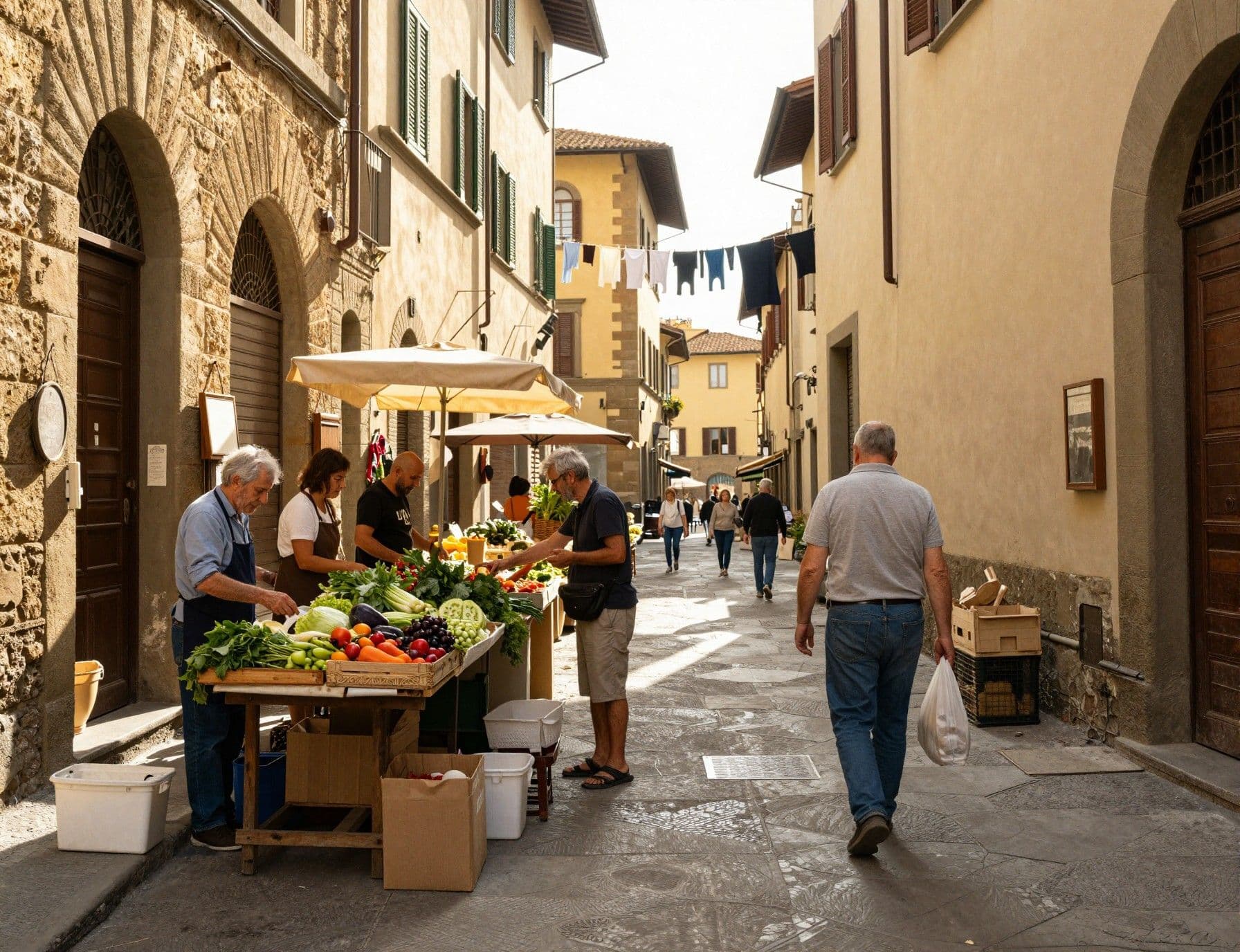
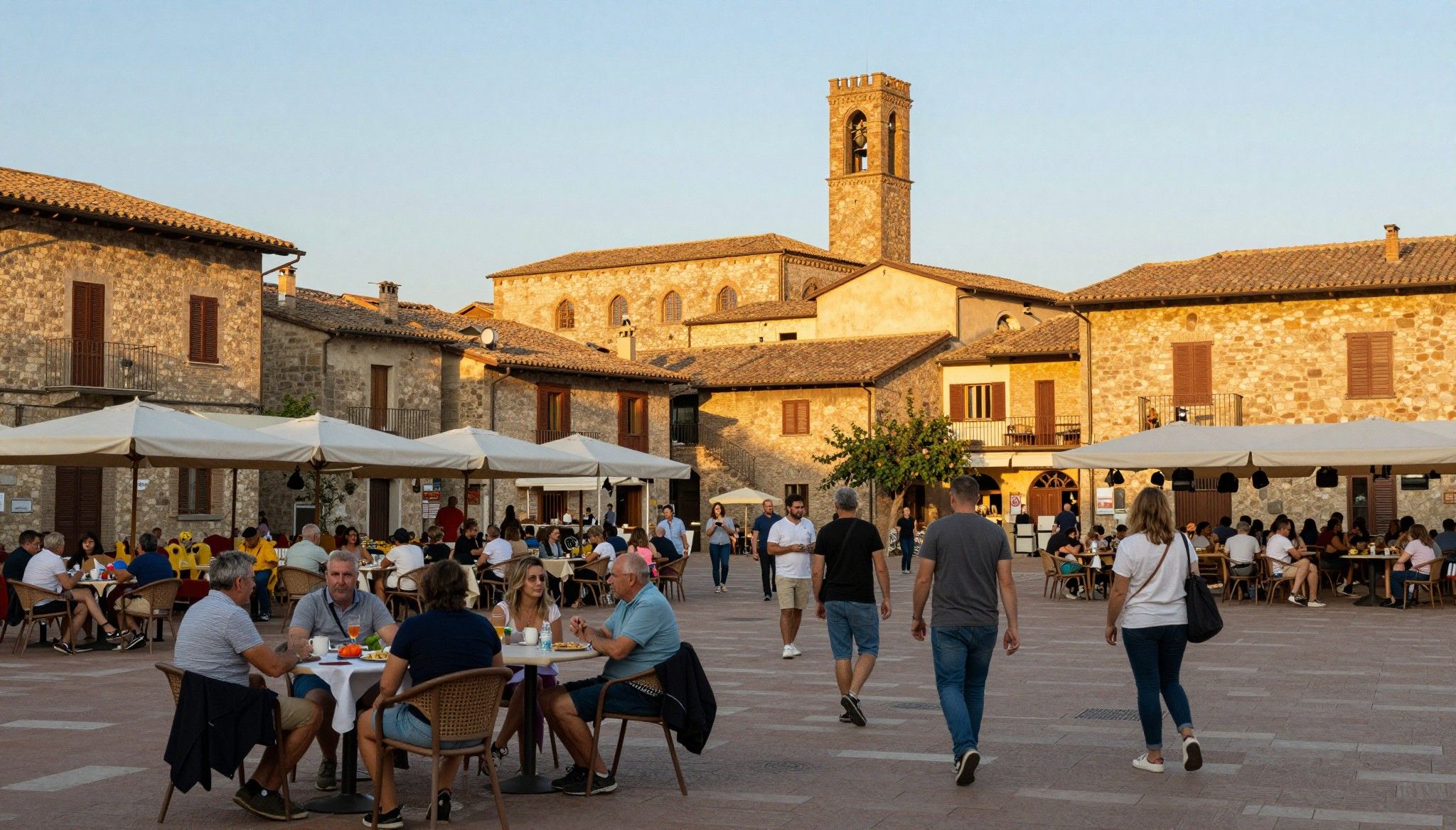
Italy is not a single lifestyle but a curated collection of neighbourhoods. In Milan you live within a pulse of design and late‑night aperitivo culture; in Siena you move according to the slow calendar of markets and palio rehearsals; on the Amalfi Coast, terraces and viewpoints dictate your day. This mosaic means buyers can choose an urban atelier, a provincial villa, or a seaside casa and be sure the surrounding social life will validate that choice. The practical consequence is that property selection must start with rhythm: daily routines, not just square metres.
Neighbourhood spotlight: Florence — Oltrarno and Santo Spirito
The Oltrarno feels lived in: artisan workshops, narrow streets that open to gardened squares, and cafés where neighbourhood politics still get debated loudly. Properties here range from restored palazzi with frescoed ceilings to compact pied-à-terres above bottegas. For buyers seeking provenance and craft, these streets offer the rhythm of morning markets at Mercato di Sant’Ambrogio and evenings on Piazza Santo Spirito; owning here is as much about joining a community of makers as it is about owning a view of the Duomo.
Food, markets and daily ritual
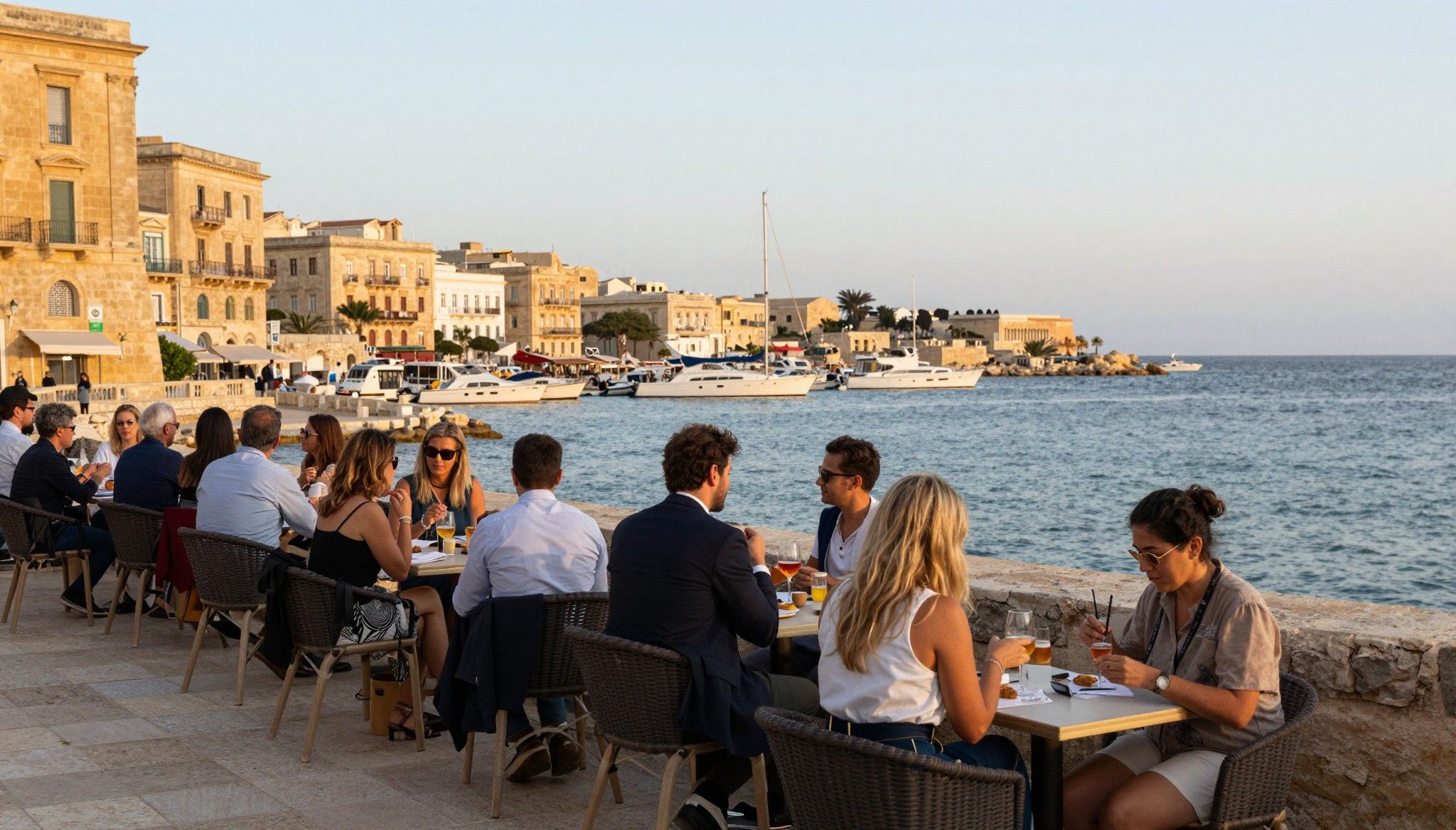
Meals shape neighbourhood life. In Bologna and Parma, weekends are defined by market hauls and slow lunches; in Puglia the fish market at 7 a.m. dictates how the day tastes. These rituals influence property choices: larger kitchens and storage for preserves in food‑focussed towns, terraces for al fresco dining where evenings run long, and proximity to markets or trattorie for those who want an immediate connection to local producers.
- A quick sense of lifestyle highlights: Mercato di Testaccio (Rome) for food culture, Via della Spiga (Milan) for discreet luxury and design, Porto Ercole (Tuscany) for sea and sailing, Matera’s Sassi for heritage living, and the Trento valleys for alpine life.
Making the move: property types that match a life
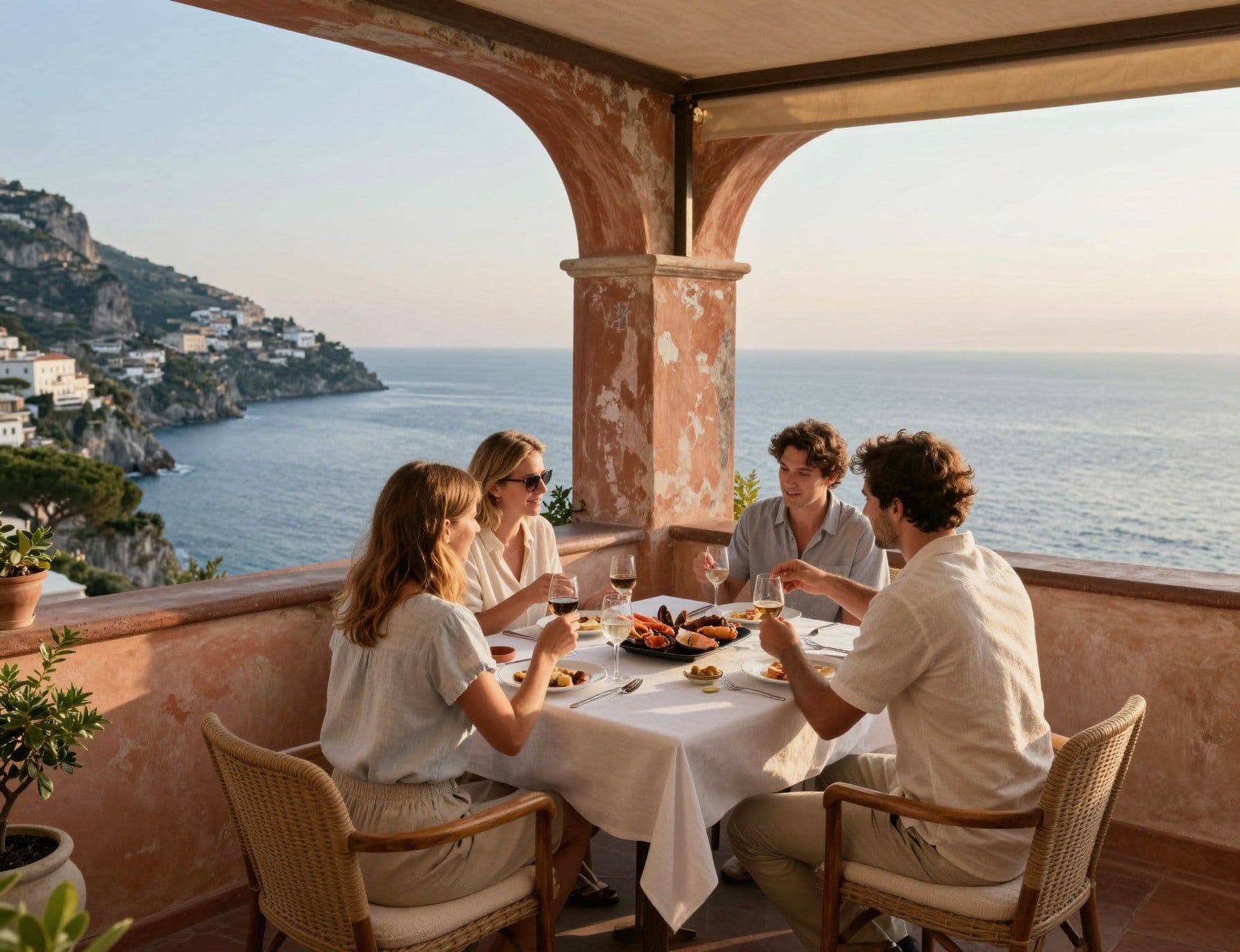
Translating a lifestyle into bricks requires clarity about the building type. Historic apartments in central cities deliver proximity and architectural pedigree; rural stone farmhouses offer land, privacy, and a scale for restoration; modernised villas on the coast deliver indoor‑outdoor living. Recent market data show steady, modest price growth nationally, but regionally the story varies — prime Tuscan villas behave differently from coastal Ligurian cottages. Match the property’s typology to the life you intend to lead, not to a generic class of "Italian dream".
Architecture and practical comfort
Older stock requires thought. Many Italian buildings pre‑date modern insulation and wiring; yet they reward patience with thick stone walls, high ceilings, and artisan finishes. Practical upgrades — insulation, modern plumbing, seismic reinforcement in many zones — are not optional if you want comfort and value. Work with architects experienced in local conservation rules and with contractors who understand traditional materials; tasteful, measured interventions preserve provenance and improve long‑term value.
How local experts shape a purchase
A local agency is more than a listings service; it is the curator of neighbourhood access. The right agent introduces you to a local notary, a surveyor familiar with Italian cadastral records, and restoration specialists with respect for heritage. For international buyers, agencies that provide discreet off‑market opportunities or that know restorative workflows in towns such as Lucca or Orvieto can materially change the quality of the property you buy.
- Practical steps that marry lifestyle and process: 1. Define your daily rhythm (market, café, coastal, alpine) before searching. 2. Shortlist property typologies (palazzo, farmhouse, marina apartment). 3. Engage a local architect and a notary early to assess constraints. 4. Prioritise energy and seismic upgrades in older buildings. 5. Ask agencies for neighbourhood references — cafés, markets, and artisans that animate a street.
Insider knowledge: what expats wish they’d known
Expat experience often begins with enchantment and then encounters small, practical frictions: opening hours that privilege late afternoons, municipal bureaucracy that values completeness over speed, and neighbourhood networks that reward patience. Those frictions are not obstacles; they are part of the social fabric you buy into. Knowing them in advance lets you plan — for local permits, for seasonal rhythms, and for how community life shifts from summer’s bustle to winter’s tranquillity.
Language, community and everyday integration
Learning Italian is the single best investment in social capital. Even a modest command opens doors in markets, with craftsmen, and in local associations that run cultural festivals. In many provincial towns, participation in parish events, market days, and neighbourhood committees is how residents test commitment and extend trust — and that trust affects everything from recommended builders to the warmth of neighbours.
Seasonality, tourism and long‑term stewardship
Tourist seasons reshape neighbourhood economies: coastal towns swell in July and empty in November; ski villages reverse that cycle. If you plan to rent, factor seasonality into yield expectations; if you plan to live full‑time, choose areas where year‑round communities persist. Long‑term stewardship also includes local tax realities and maintenance regimes — the smallest villa garden can become a full‑time commitment without trusted local help.
- Red flags and subtle checks: • Vague cadastral records — insist on a recent visura catastale. • Unusual access via easement — confirm rights of way in writing. • Historic properties without seismic classification — consult an engineer. • Overly styled listings with no neighbourhood photos — meet neighbours. • Promises of quick permits — verify timelines with the local comune.
If Italy feels inevitable, begin with a life first and a process second. Visit the neighbourhoods in different seasons, have espresso at the same bar twice, and ask the same question about practicalities to at least three local professionals. Agencies that guide this behaviour — arranging off‑hour visits, introducing craftsmen, and advising on modest but impactful restorations — are the ones that convert aspiration into a property you will love for years.
Next steps: compile a brief of the life you want (daily rhythms, climate, scale), request an agency to propose three live visits that show how neighbourhoods feel at different hours, and commission a short feasibility review from a local architect. Those three modest acts will change search results from an inventory of houses to a shortlist of homes that suit a well‑considered life in Italy.
Dutch former researcher who moved to Lisbon, specialising in investment strategy, heritage preservation, and cross-border portfolio stewardship.