Life Before Price: Stewardship, Seasons & Value in Italy
Italy’s variety is the investment: buy the lifestyle first—market rhythms, seasons and stewardship—and the property value will follow.
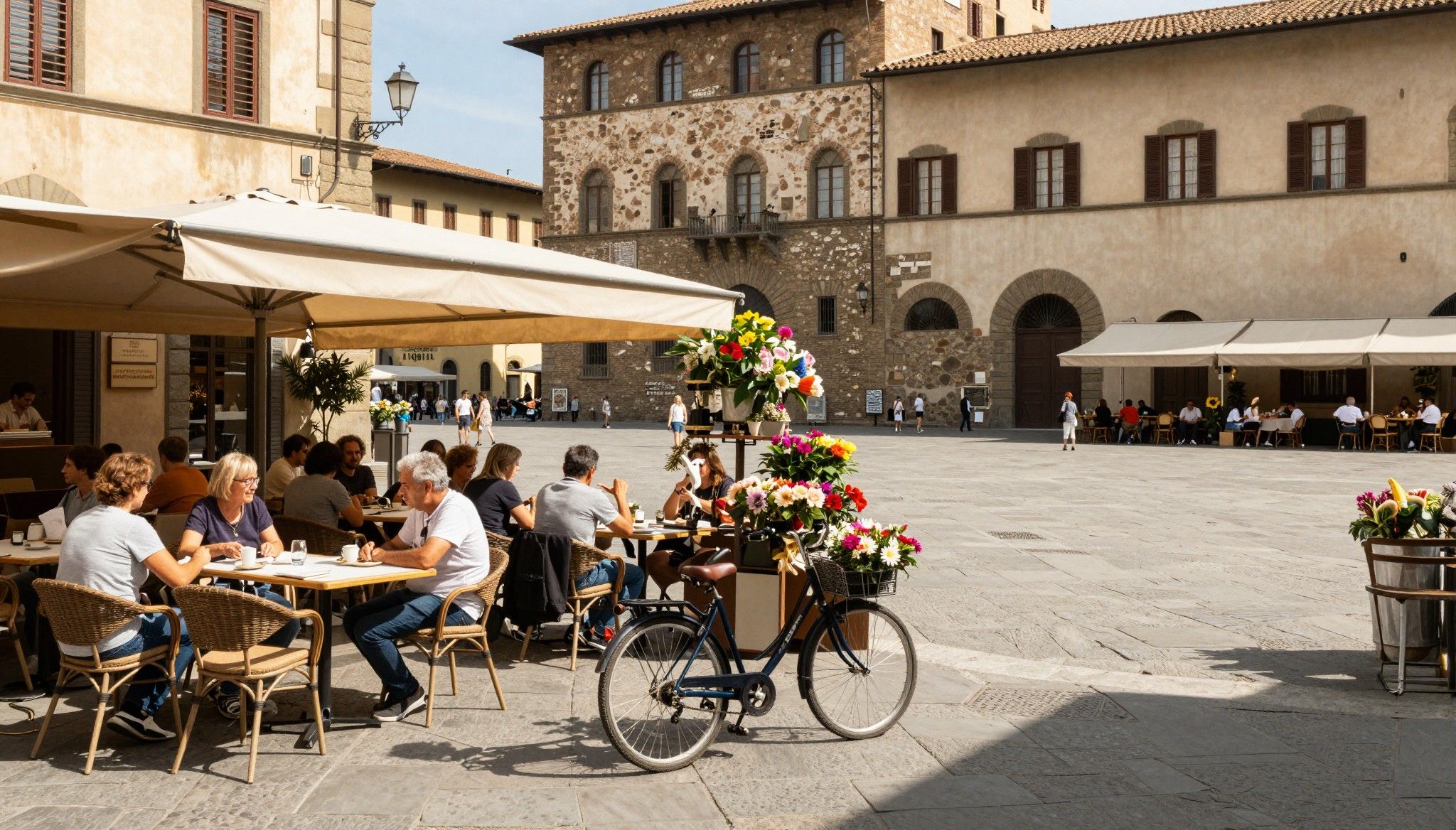
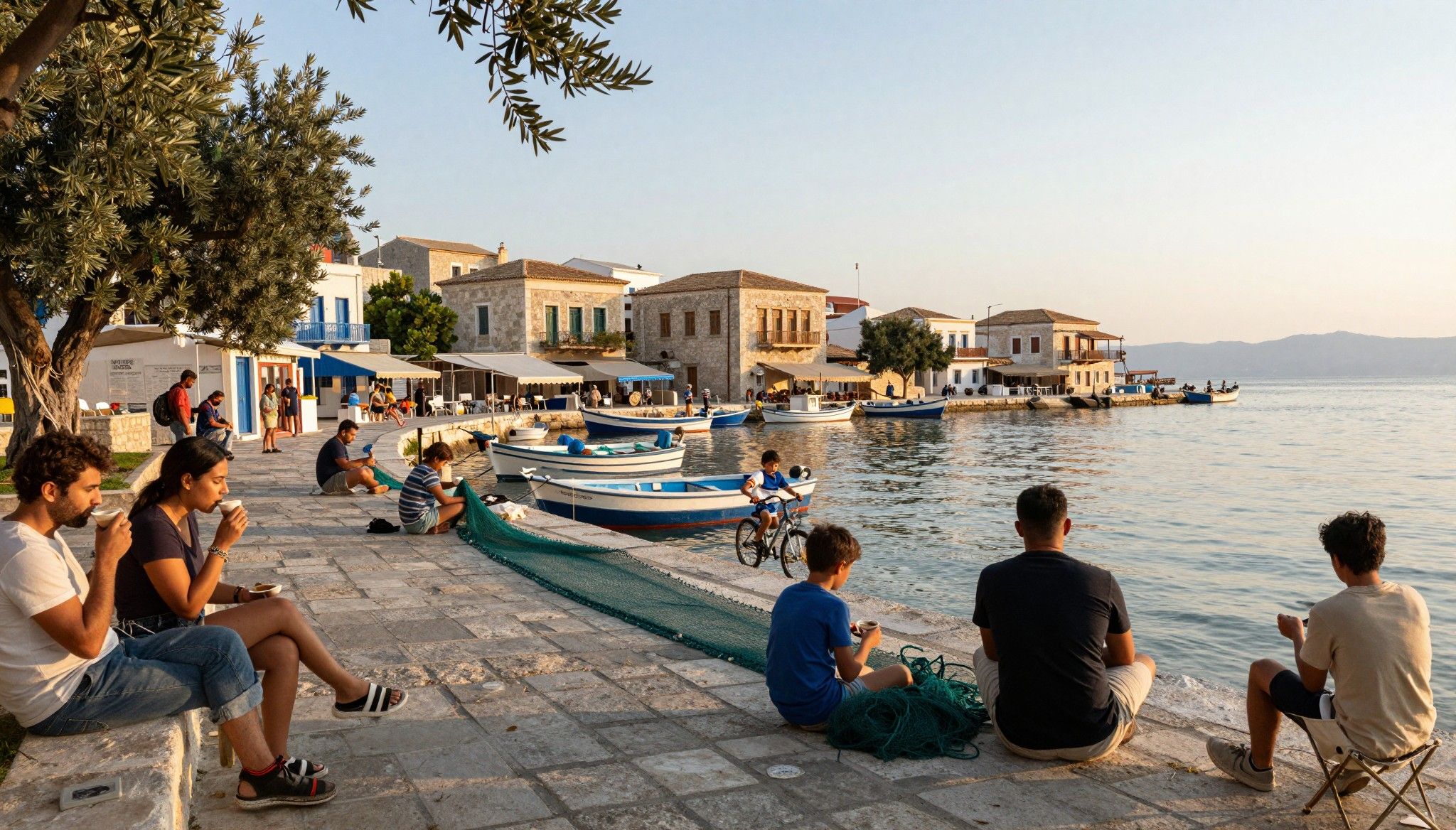
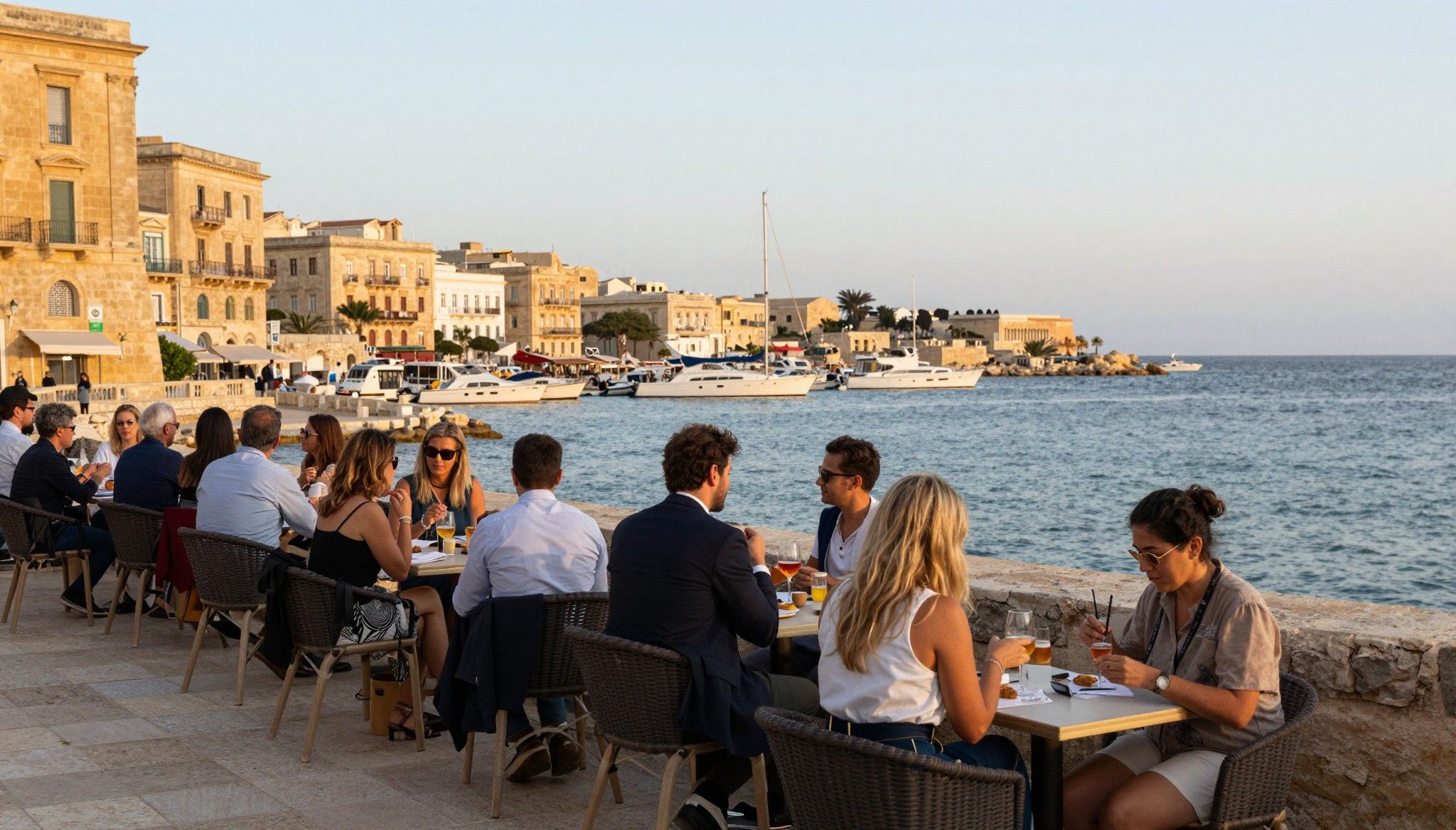
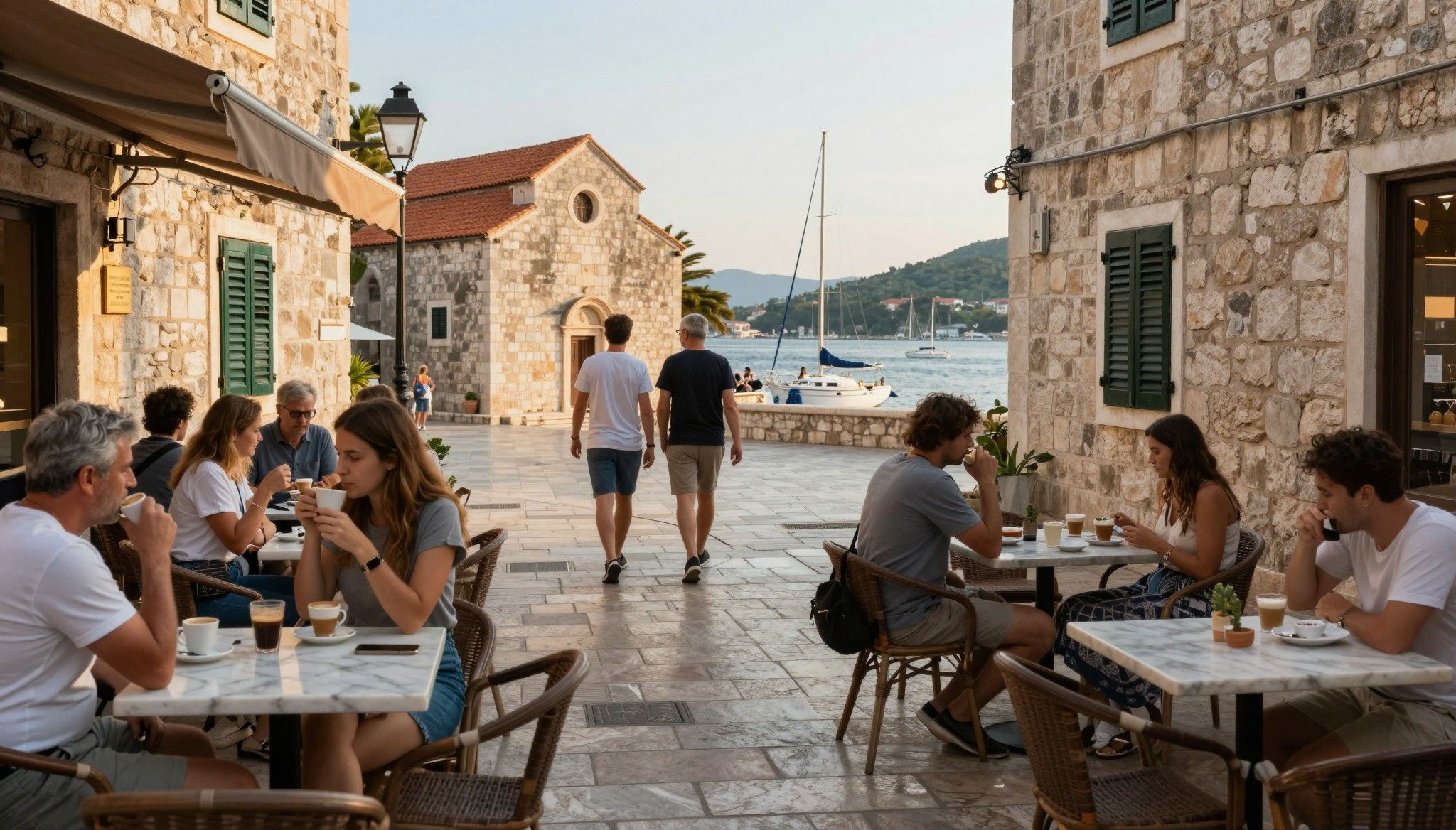
Imagine arriving in an Italian morning where the market square fills with voices, paper bags of oranges and the hiss of an espresso machine. In cities and villages alike, life is shaped by streets that remember centuries; mornings belong to cafés, afternoons to siestas and passeggiata, evenings to small, purposeful dinners. For international buyers this is not only a promise of taste and texture but a set of daily rituals that determine what a home needs: a quiet breakfast nook, a street‑facing balcony, proximity to a lively market. That sensory life matters as much as price per square metre; the two together create value you will live, not just own.
Living Italy: rhythms, places and what they demand
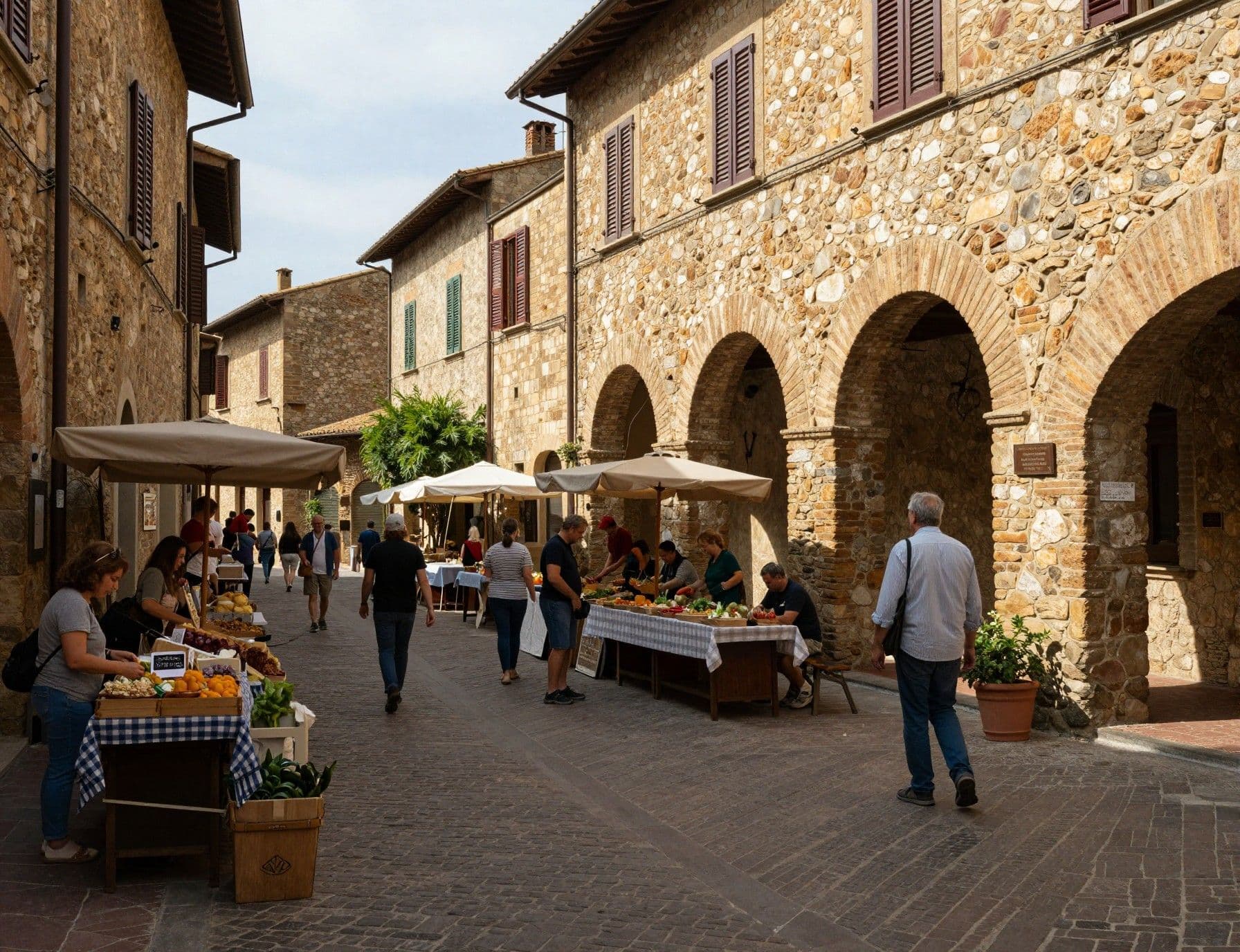
Italy’s daily life varies with scale: Milan’s measured efficiency and café culture feel different from the intimate, stone‑walled mornings of Puglia or the slow harvest tempo of the Langhe. Each region sets its own requirements for a property to perform as a home; a pied-à-terre in Trastevere needs sound insulation and a reliable lift, a farmhouse in Chianti needs robust heating, good cell coverage and storage for preserves. Recent market data from Istat and leading market reports show modest, steady price appreciation across regions, but the lived experience—light, street life, local services—remains the decisive factor for many buyers. In short: buy the life, then the investment will usually follow.
Neighborhood focus: central Rome and Campo de' Fiori
Picture a flat above a trattoria in Campo de' Fiori: mornings punctuated by flower stalls and the clink of espresso, an evening hum from people lingering after dinner. The area’s layered history—Renaissance facades, cobbled lanes, small palazzi—means apartments often come with high ceilings and original shutters, but also with quirks: small kitchens, staircases, and limited storage. For buyers who prize immediacy to piazza life, these trade‑offs feel deliberate rather than inconvenient; they are part of the provenance. According to national price indices, central Rome shows differentiated micro‑markets where lifestyle premiums persist alongside long‑term capital resilience.
Coast and countryside: Amalfi cliffs, Ligurian coves, and Tuscan hills
The sensory lives of coastal and rural properties differ in obvious ways: sea breezes and terraces dominate the Amalfi Coast and Liguria, while indoor‑outdoor flow, stone barns and olive groves define Tuscan living. Many buyers underrate seasonal service constraints—winter access on narrow coastal roads or heating in old stone houses—yet these are manageable with local stewardship and a well‑chosen agent. Knight Frank and regional reports note rising foreign interest in Tuscany and Lake Como, yet value can be found in lesser‑known communes where authenticity outlives the crowd. If you imagine harvests, long Sunday lunches and an exterior kitchen, choose properties that support those actions structurally, not just cosmetically.
Making the move: property realities that preserve the lifestyle
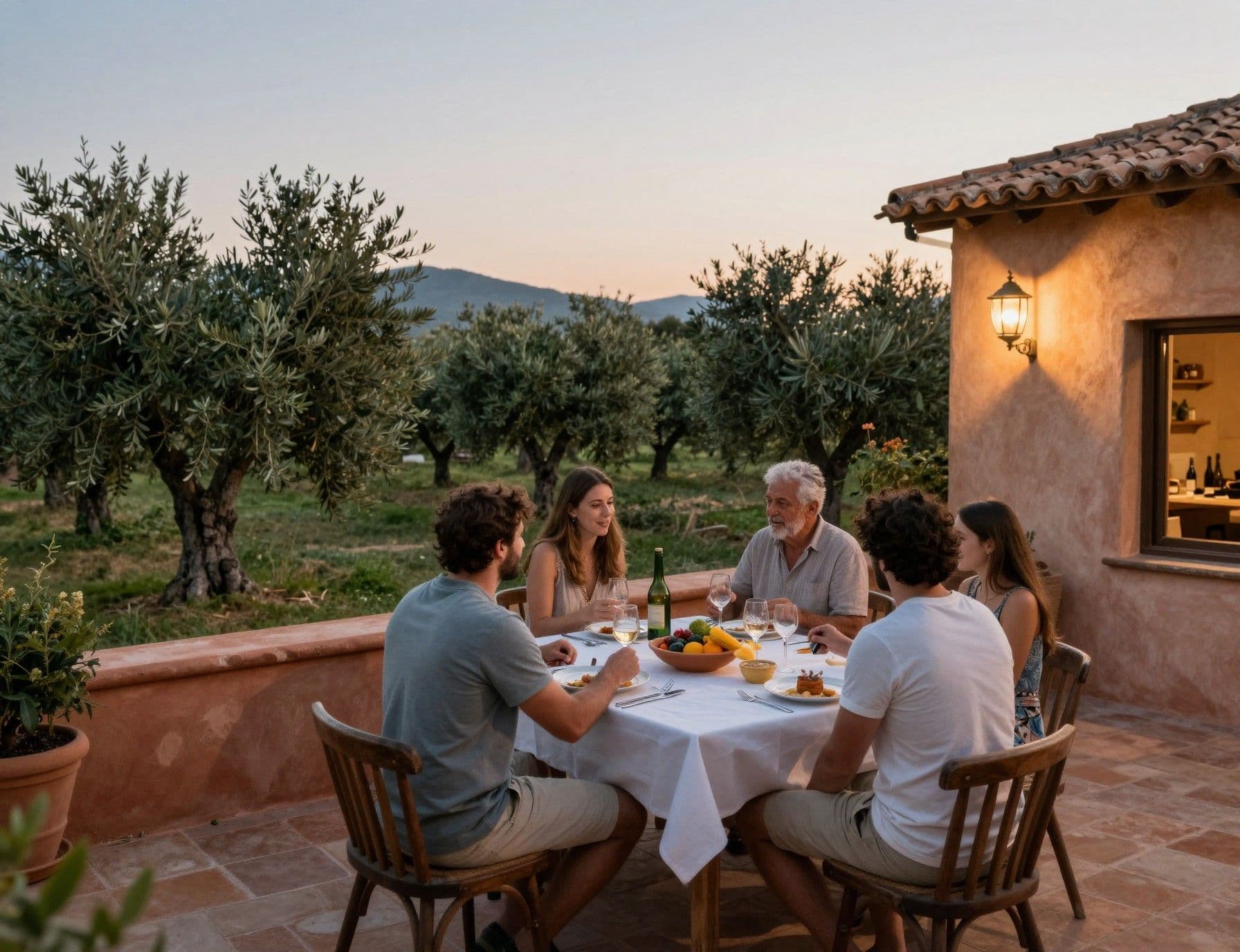
Dreams meet realities at the point of infrastructure: heating, water pressure on hilltop streets, broadband for remote work, and storage for seasons. Market overviews from national and industry sources show steady transaction volumes and regional variation; aligning lifestyle expectations with these practicalities avoids disappointment. Working with an agent who knows both the neighbourhood cafés and the municipal building code will save time and reveal off‑market opportunities. A refined search couples sensory priorities—light, street life, harvest access—with clear checklists for systems and access.
Property types & how they shape daily life
A restored palazzo apartment offers formal rooms, high cornices and provenance but often requires careful climate control and maintenance. A converted farmhouse yields space for entertaining, cellaring wine and gardening but can require investment in insulation, septic systems or road improvements. New‑build residences provide comfort and efficiency but may lack the patina and neighbourhood fabric that define Italian living. Choose the typology that matches how you spend time: receptions and entertaining, slow productive hobbies (cooking, gardening), or compact urban life.
Working with local experts: a practical sequence
1. Clarify lifestyle priorities (market, seasonality, services). 2. Engage a bilingual agent with regional provenance knowledge. 3. Commission structural and systems surveys before offer. 4. Confirm planning, heritage constraints and practical access. 5. Arrange a local manager or trustee for long absences.
Insider knowledge: what expats wish they’d known before buying
Expat owners often speak of three surprises: the rhythm of local bureaucracy, the intimacy of neighbourhood networks, and the way seasons reorder daily life. Language is a facilitator not a full barrier; basic Italian opens doors at market stalls and with artisans, while skilled agents translate municipal processes. Many newcomers also underestimate running costs tied to provenance—restoration standards, insurance for historical features and the need for specialist contractors. Market reporting shows strong foreign interest in prime and regional markets alike; an informed local partner converts that interest into a sustainable life.
Cultural integration and community rhythms
Integration is incremental: attending a local festa, joining a Thursday market queue or buying bread from the same forno builds the social scaffolding of daily life. Expect to be invited to neighbourly dinners and, in return, to respect quiet hours and customary courtesies. For long‑term contentment, prioritize streets where people are active at the times of day you prefer—morning markets, late‑evening passeggiata or weekend agriturismo rituals—and choose properties that facilitate those patterns.
Practical red flags and how to spot them
• Historic façades without structural survey (risk: hidden decay). • Properties sold 'as is' where energy upgrades are impossible due to heritage rules. • Limited access roads that become impassable in winter. • Poor internet or mobile coverage for remote work. • Lack of reliable local tradespeople for restorations.
Longer view: stewardship, seasons and resale
If your intention is intergenerational ownership, consider provenance: documented restorations, original fittings and a property’s role in its town’s story enhance both pleasure and marketability. Seasonal living—summer on the coast, winter in the city—changes maintenance cycles and cashflow expectations. Recent Italian market reports highlight consistent foreign demand and regionally differentiated appreciation; careful stewardship preserves lifestyle while sustaining value. A measured approach—buy what you will use and can maintain—tends to outperform speculative chasing of trends.
If Italy feels like a mosaic of lived histories, then buying here is about choosing the pieces you want to live inside. Begin with the life you imagine—markets, light, neighbours—then find an agent who knows both the street and the statute. For next steps: visit in two different seasons, commission a technical survey before offer, and ask for recent utility bills and service contracts. With the right local partner, a home in Italy becomes a practiced life rather than a collection of rooms.
Norwegian with years in Florence guiding clients across borders. I bridge Oslo and Tuscany, focusing on legal navigation, cultural context, and enduring craftsmanship.