Reciprocity, VAT or Transfer Tax — A Croatia Checklist
Practical, lifestyle‑led advice for buying property in Croatia—how reciprocity, VAT vs transfer tax and local rules shape the life you’ll build on the Adriatic.
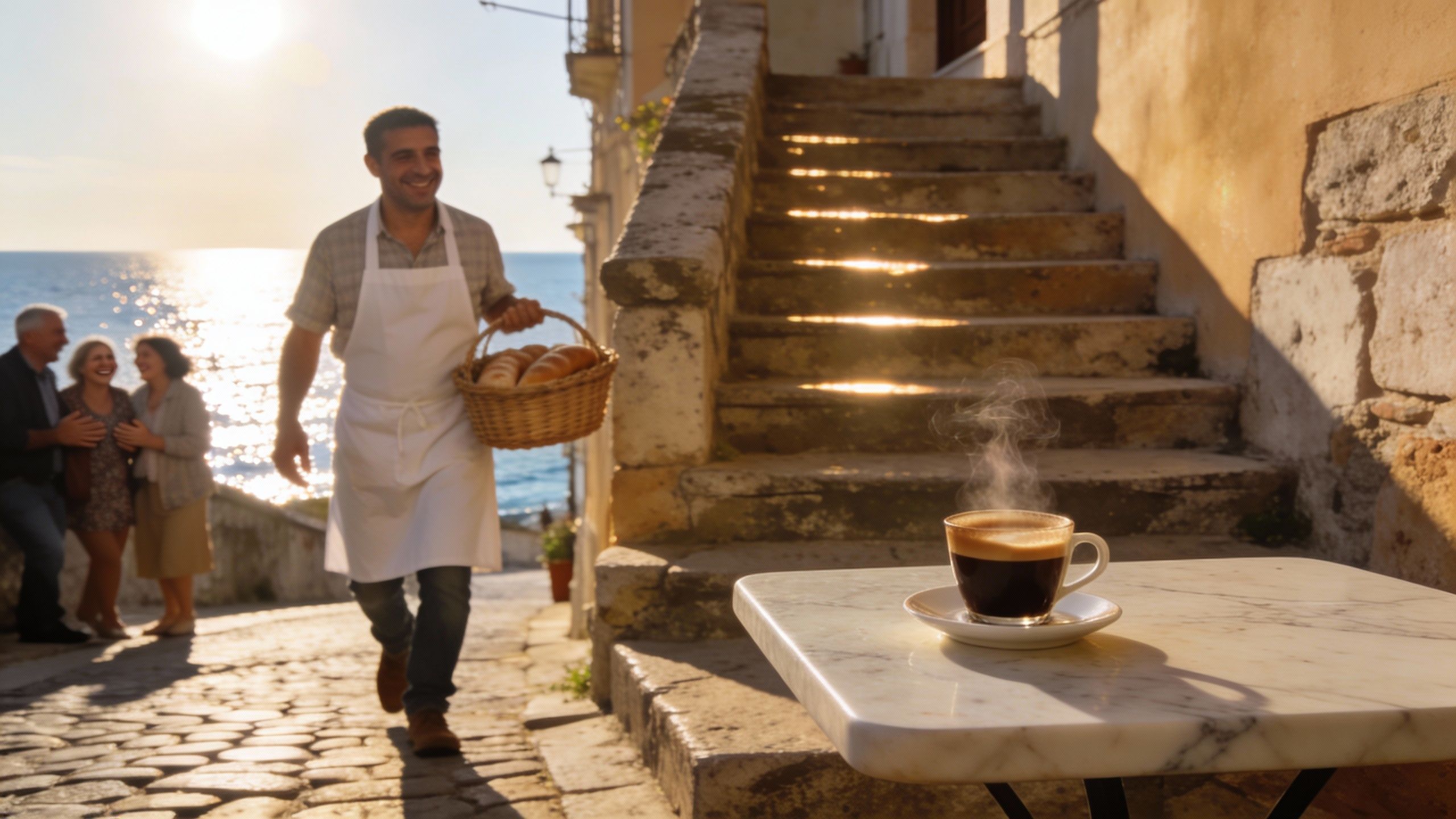
Imagine a morning in Split: an espresso at Uje oil bar, the harbour light skimming Roman stone, and a narrow lane where a neighbour hangs laundry like small white flags. Croatia’s daily life moves with the Adriatic tide—slow, tactile and exacting—with centuries of craft visible in church facades and private courtyards. For many international buyers, that lived-in quality is the reason to come; for lawyers and advisors it is the reason to ask precise questions. You do not buy only a roof here. You buy into a legal tapestry—reciprocity rules, tax choices and seasonal rhythms—that will shape how that morning feels five years on.
Living Croatia: the rhythms that matter
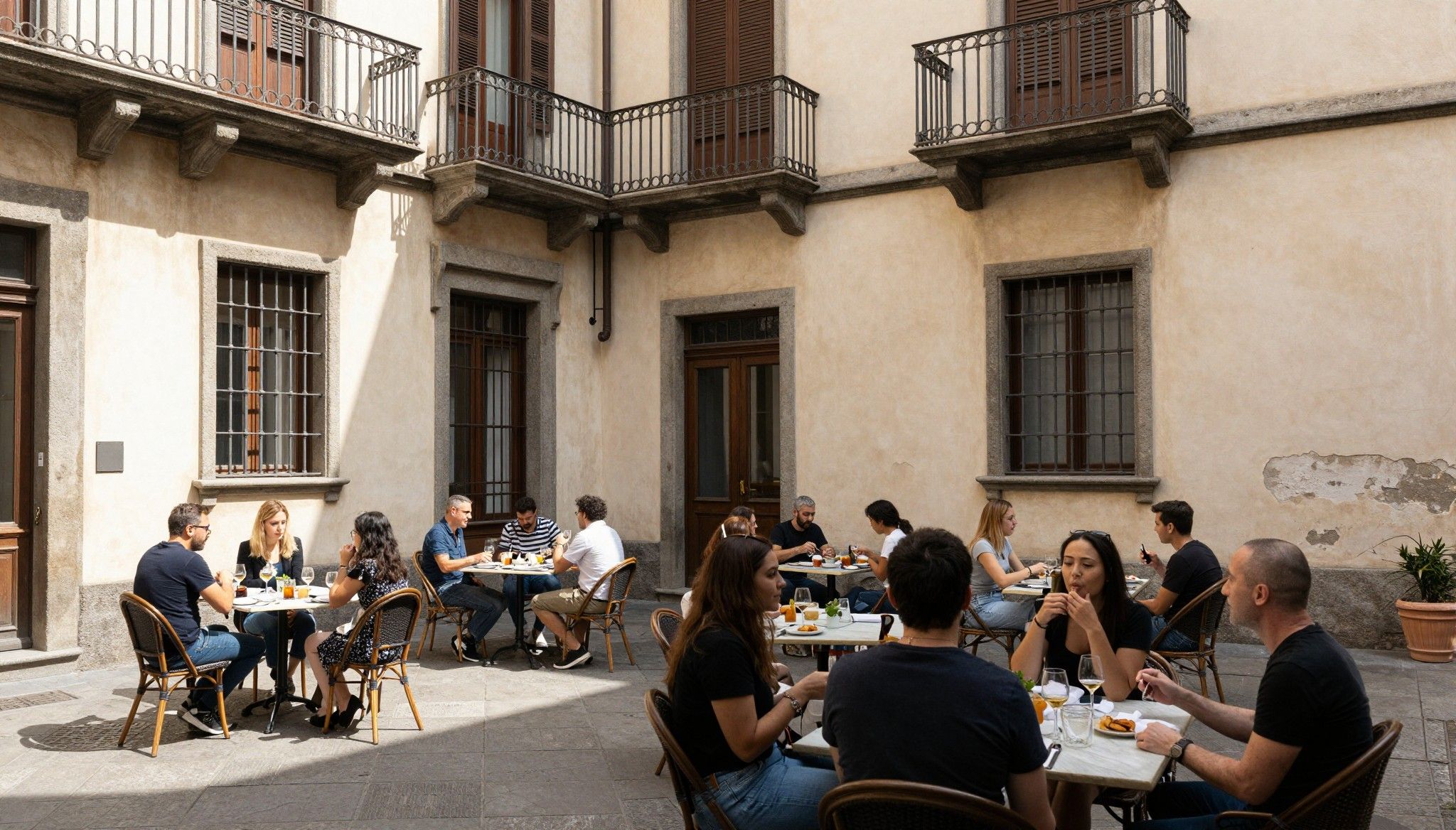
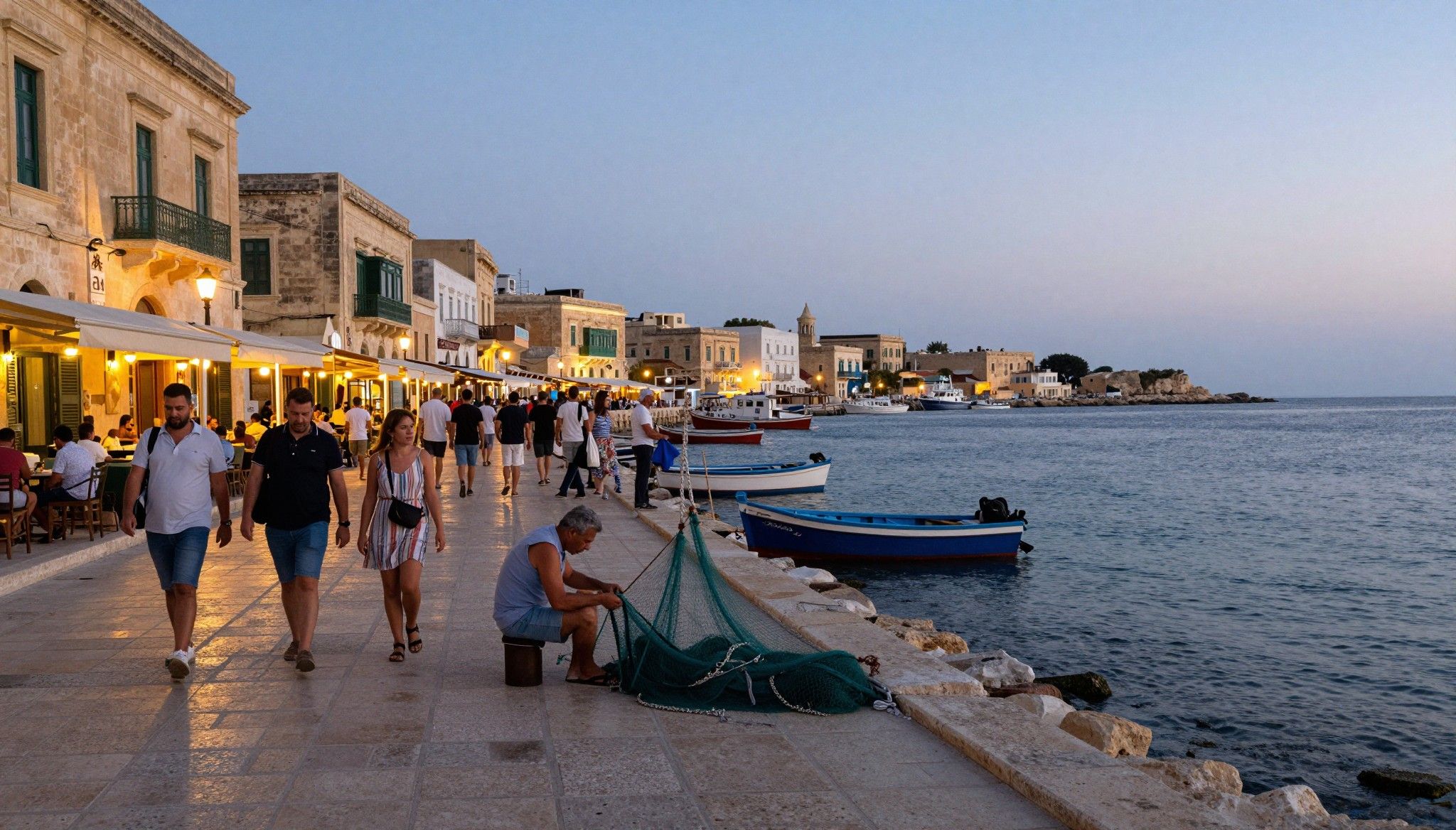
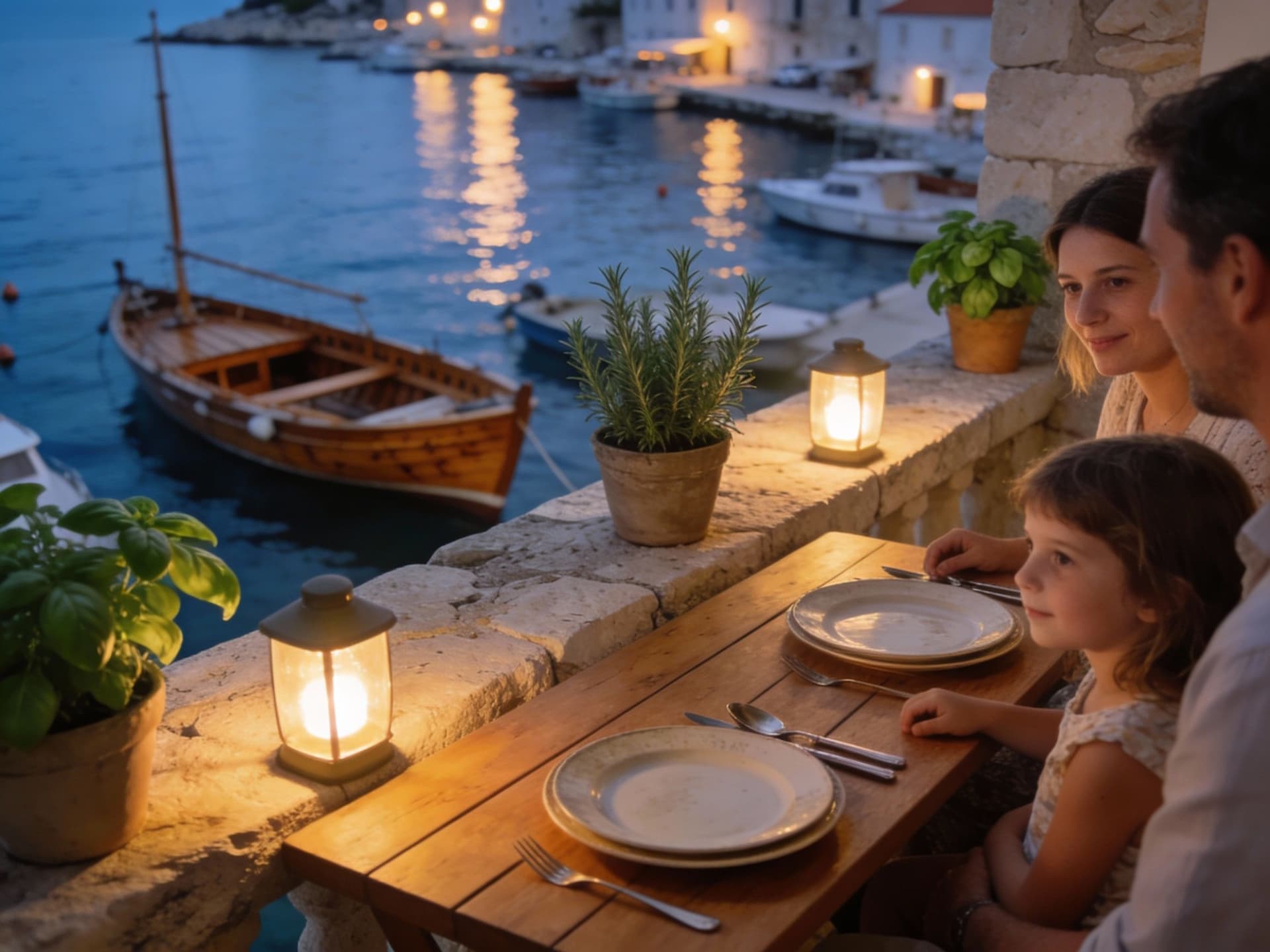
Croatia’s appeal is spatial: old towns where stone stores summer heat, islands where mornings begin with fishermen’s calls, and inland villages punctuated by vineyards. Life along the Dalmatian coast—in Hvar’s cobbled lanes, the quieter end of Split’s Veli Varoš, or the pine-scented promenades of Rovinj—is calibrated to outdoor dining, late markets and a neighbourhood sociality you quickly adopt. That social fabric affects property choice: a terrace above a piazza changes how you entertain; a gardened villa on Brač changes how you spend weekends. Knowing where those rhythms live helps you match legal structure to lifestyle.
Dalmatian harbours and inner‑city pockets
If you prize cafe life and immediate sea access, look at Split’s Sustipan and Veli Varoš, or Zadar’s Poluotok rather than headline seafront promenades that cater to tourists. These pockets retain artisans, small grocers and a daily cadence that sustains year‑round living. Conversely, quieter islands such as Vis or Lastovo trade instant amenities for privacy and authentic island community, which may require different legal advice on access, utilities and seasonal rentals.
Food, markets and the seasons that shift life
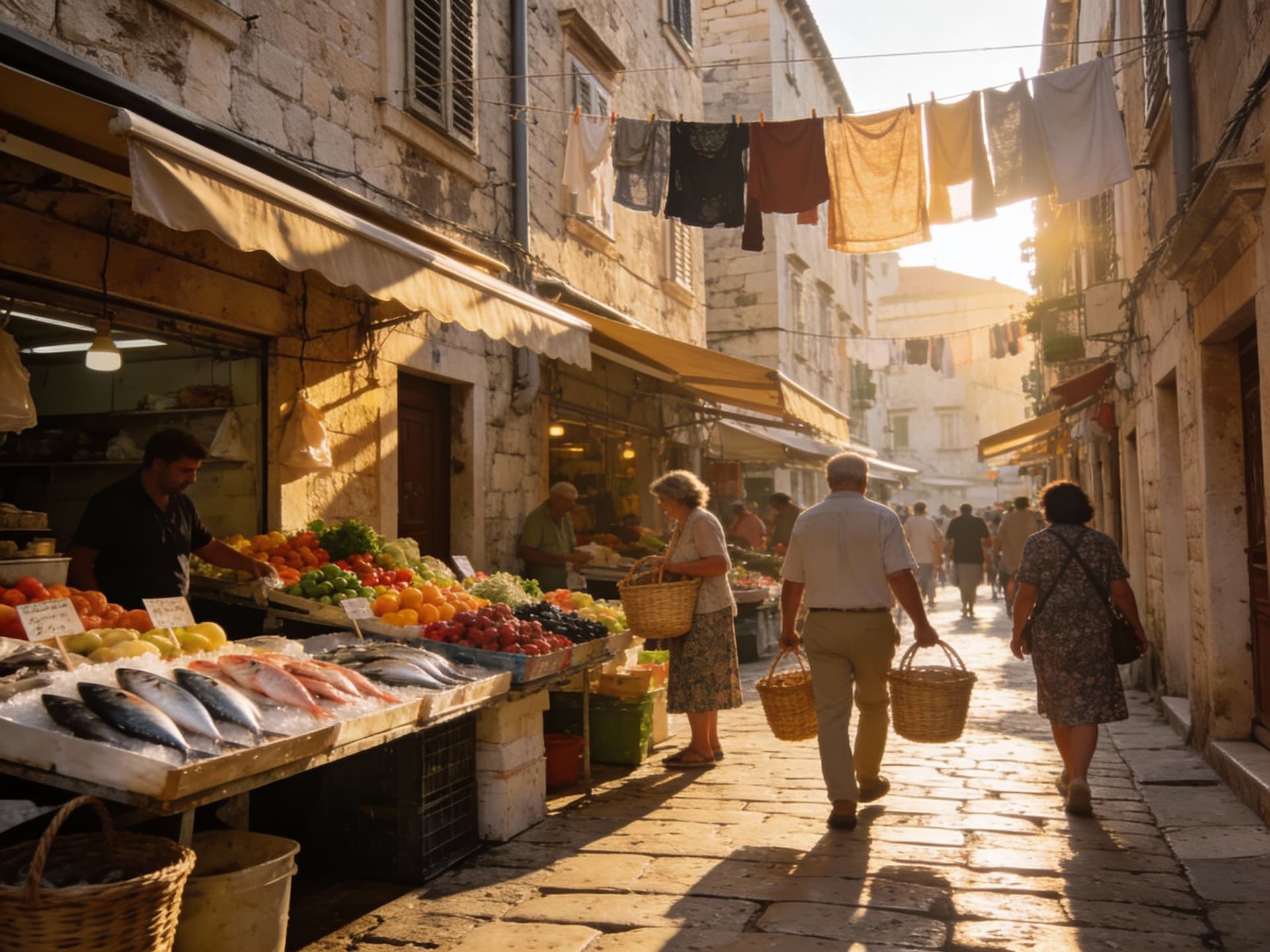
A week’s rhythm in Croatia pivots around markets: fishmongers at Split’s Pazar, Istria’s truffle fairs, and Dubrovnik’s quieter winter markets. Seasonal variations influence property use and returns—summer short lets can be lucrative, while winter life rewards insulated stone houses, reliable heating and a different tenant profile. Those practicalities—utility capacity, insulation, and local zoning for short‑term rentals—should inform legal checks before signing.
Making the move: practical considerations that preserve the lifestyle
The most decisive legal fact for many buyers is reciprocity: whether your country’s citizens may own property in Croatia on the same terms Croatians enjoy at home. The Croatian Ministry outlines that foreign nationals acquire rights under reciprocity and that some approvals are handled by the Ministry of Justice. This procedural nuance often defines timing—applications, translations and ministerial approval can add weeks—so factor it into any move that aims to be seamless with the lifestyle you imagine.
Property types and what they mean in practice
Choices between new-build, resale and agricultural land carry different fiscal outcomes. New developments typically attract 25% VAT while resale transactions are usually subject to a 3% real estate transfer tax; that distinction can alter whether a coastal apartment or an inland farmhouse is the better buy. Practically, VAT-heavy purchases suit buyers who will use properties commercially or who can reclaim VAT through business structures; private owners often prefer resale purchases for the lower immediate levy.
Working with local experts: a lifestyle‑aware checklist
- Retain an independent Croatian lawyer early to confirm title, check for encumbrances and to manage reciprocity filings. Engage an architect or surveyor to confirm the fabric—masonry, original timber beams, and whether permitted works exist—before committing. Discuss municipal rules with a local agent familiar with seasonal rental licensing, especially in Split, Dubrovnik or popular islands. Arrange tax advice that ties the purchase form (company or personal name) to your intentions: primary residence, second home, or a let‑to‑tourist strategy.
Insider knowledge: what expats wish they’d known
Expats often underestimate administrative rhythm: municipal registers, utilities and heritage protections operate at a local pace that rewards patience. In protected old towns, any façade change may require heritage approval; in countryside areas, water rights and access tracks can be informal yet decisive. Knowing local practitioners—an agent who knows the neighbourhood baker and a lawyer who knows the registry clerk—translates into fewer surprises and faster enjoyment of that morning espresso on your terrace.
Cultural integration and everyday logistics
Language matters less than presence: neighbours appreciate consistent courtesy and effort. Registering residency, obtaining an OIB (personal identification number) and arranging healthcare access are steps that open local life. For families, proximity to international schools in Zagreb or Split will alter which districts you prize; for those seeking quieter stewardship, island communities reward long‑term engagement over transient visits.
Recently introduced annual property tax frameworks and shifts in municipal rates mean ownership costs depend on precise location and declared use. Cities with heavy tourist flows tend to set higher per‑square‑metre rates; registering a property as your primary residence or committing to long‑term leases can yield exemptions. A timely tax check—before you sign—is among the most practical acts of stewardship for long‑term owners.
- Visit off‑peak to judge neighbourhood life; summer scenes can mislead about year‑round services.
- Confirm whether a property is subject to VAT or transfer tax—the difference can mean tens of thousands of euros.
- Ask for recent utility bills, insurance claims history and any heritage‑restriction documentation.
- Budget for translation, notary and registry fees early; administrative costs are modest but inevitable.
A short step‑by‑step to keep the dream intact
- Inspect in season and off‑season to understand livability. Secure a local lawyer and confirm reciprocity or ministry approvals. Clarify VAT vs transfer tax and model post‑purchase running costs. Complete notary and land register steps; obtain an OIB and municipal registrations. Plan for stewardship: insurance, maintenance and a local manager if you will be remote.
Croatia rewards buyers who balance romance with rigour. The stone, the market mornings and the cadence of summer nights are what draw people here; the legal and fiscal framework is what protects that experience across seasons and generations. Speak with a respected local lawyer, an agent who knows the lane as well as the market, and a tax adviser who will place your purchase in the most suitable structure. When the practical is handled, the morning espresso on your terrace becomes simply life.
Former Copenhagen architect who relocated to Provence, offering relocation services, market analysis, and a curator’s eye for authentic regional design.